

Margaretta Morris did not receive any special education, but she became a well-known entomologist and botanical illustrator. Her insect-related works were published in American scientific journals, and other scientists became interested in her research. Margaretta carried it out at home together with her sister. Learn more at philadelphia1.one.
It is important to note that her accomplishments were recognized. Morris was among the first women to be elected to the American Association for the Advancement of Science in 1850. In addition, she became the second woman in history to be elected to the Philadelphia Academy of Natural Sciences. This occurred in 1859. We will tell you more about the life of the talented scientist and her achievements.
Margaretta and Elizabeth and the sisters’ shared passion
The future insect researcher was born in Philadelphia on December 3, 1797. Her father, Luke Morris, was a lawyer. Her mother was Ann Willing. The family had six children, including Margaretta and Elizabeth, who had an interest in natural sciences since childhood.
Margaretta began studying botany at a young age under the guidance of Thomas Nuttall. She also attended Charles Wister’s mineralogy and geology lecture courses. Her mother and sister Elizabeth, who became a botanist, also shared her passion for botany and entomology. The sisters did not receive formal education but sought and obtained knowledge from all available sources at the time. They later joined the American nineteenth-century scientific community in Philadelphia.
In 1812, together with their mother, Margaretta and Elizabeth settled in Germantown. By that time, their father had passed away. Neither Elizabeth nor Margaretta married. Instead, they engaged in numerous scientific studies and experiments together while also attending lectures at the local academy. They actively communicated with other scientists and researchers who were also engaged in entomology. They shared their findings and studied the research of other scientists.
In the 1840s, Margaretta became well-known for her research on the so-called seventeen-year locust. She also studied insects that she classified as wheat pests, namely hessian flies. She published scientific papers on these issues but later realized they were of a different species.
Morris conducted extensive research on insect life cycles and reproduction, as well as who their natural enemies were and how crops could be protected against them. She also did research on fungal diseases of plants. All of these activities were practical because they addressed important issues such as increasing yield and controlling pests.
Insect research: scientific articles and findings
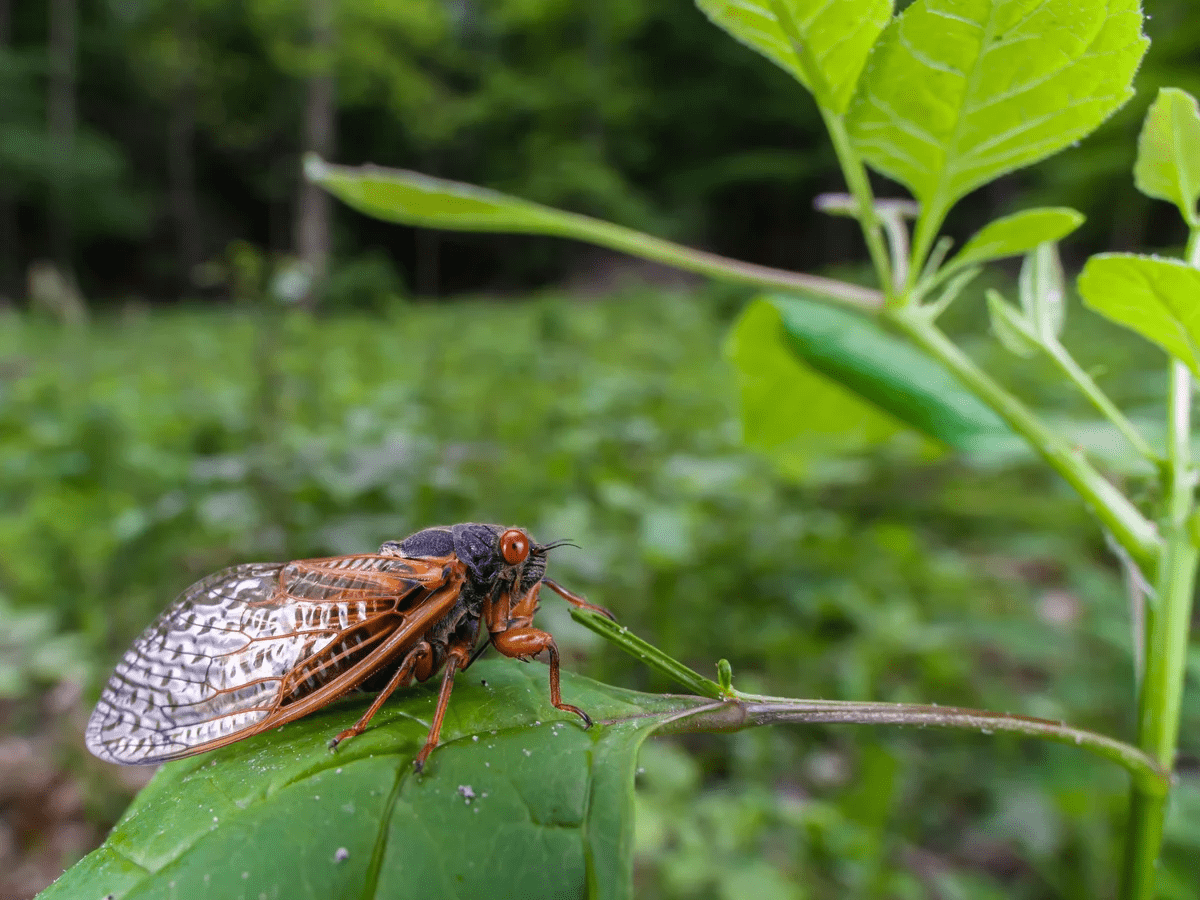
Margaretta Morris did not have the opportunity to pursue formal education or perform scientific research in laboratories. However, she had a strong desire to study nature and did it at home. She bred different insects herself and studied how they lay eggs, what stages of development the larvae go through, what their dietary characteristics are and many other additional data.
The woman published her first scientific paper in 1841. The article focused on hessian flies:
- they were known to be pests that destroyed wheat crops, resulting in lower incomes and a ban on the country’s export of grain
- in the article, the scientist explained their life cycle in detail, and one of the most significant details was that the flies lay their eggs directly in the grains rather than in the stalks
- the woman came to the conclusion that since the destruction of eggs also means the destruction of the crop, it is important to take care of seeds that are not infected with pests.
Morris’s second scientific research on the same topic was published by the American Philosophical Society. According to reviewers, if the findings can be replicated and confirmed, they could provide a practical solution to the plant pest problem.
Margaretta then wrote and published numerous other pieces in various scientific publications. So, in 1846, she authored four articles published in the women’s column of the American Agriculturist magazine. They were on pests such as apple moths, clothing moths and fleas.
The next year, the same publication published five more scientific pieces by the author on the cotton moth and how to deal with it, bed bugs and ways to control them and other insect pests.
Recognition

It is worth noting that the scientific activities of Margaretta Morris and her sister were not disregarded by the scientific community. In 1850, her article on locusts was reviewed by the American Association for the Advancement of Science. One of the male professors read out the work as women were not allowed to speak in front of such a large audience at the time.
Nevertheless, Morris joined this association that same year. She was one of the first two women to accomplish this. The entomologist was also elected by the Academy of Natural Sciences of Philadelphia.
In addition to scientific work, Morris created botanical illustrations for other naturalists. She was equally well-known for this work.
Margaretta passed away on May 29, 1867, at the age of 69, leaving her name and accomplishments in the history of American science.