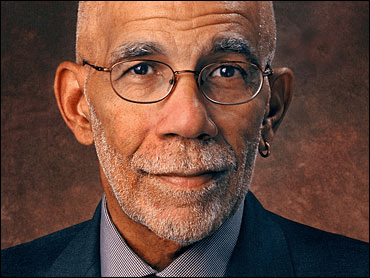

This native of the City of Brotherly Love grew up without a father in very difficult conditions, but even this did not prevent him from becoming part of the editorial team of a legendary American TV and radio company. The Philadelphia journalist went through an interesting and eventful path to success while fighting against injustice in the world. Read more about the story of the speaker from Philadelphia, including how his journey began, his journalistic development, work and awards, at philadelphia1.one.
The beginning and formation of his career
Edward Rudolph Bradley Jr. was born on the day of the Nazi invasion of the Soviet Union. However, in the summer of 1941, a completely different war was taking place in Philadelphia: the struggle for the rights of people trying to survive in the local slums. Edward was raised by his mother’s family since his father had abandoned them. He saw his father only once a year. He spent the summer with Bradley Sr. in Detroit after the end of the school semester.
Despite a tough childhood, that period became memorable for him as he discovered his talents for studying and even in sports.
Later, the young man earned his degree and began teaching the younger generation the basics of mathematics at a school in Philadelphia. At the same time, he took his first steps in journalism, working in radio. His most famous broadcast was about the police confrontation with African Americans in the late summer of 1964 on the streets of our city. Following that, the young journalist managed to interview the prominent Martin Luther King.
After such a powerful experience, Edward made a life-changing decision. He left his teaching position and hometown to move to New York City to develop his professional journalistic career.
He worked as a reporter in the WCBS editorial team until 1971 primarily covering news for the African American audience. He then moved to the European continent and earned money at CBS News. There, Bradley Jr. became known for his vivid reports on military actions in Vietnam and Cambodia. In Cambodia, during filming with colleagues, he came under mortar fire. Fortunately, he only sustained injuries. After recovering physically and emotionally, the Philadelphia reporter continued his work on the Asian continent.
The second half of the twentieth century was also notable for Edward because he covered the presidential campaign of future president Jimmy Carter. Carter won and the journalist got a job in the White House, but after some time, he remembered the principles of his chosen profession and left the office. Later, the independent anchor launched his own program on CBS, where he reported the week’s headline news every Sunday.
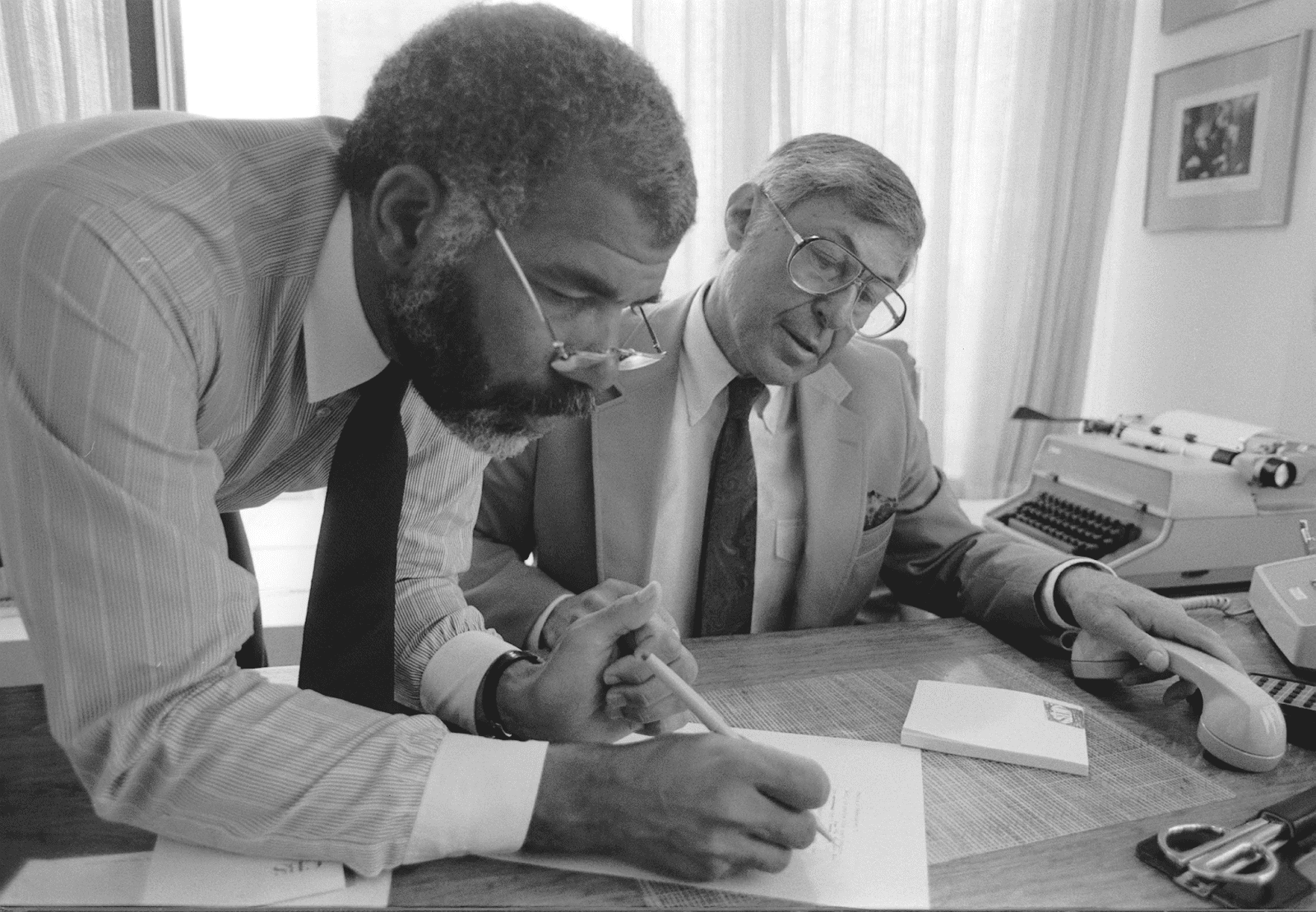
Final years and awards
At the beginning of the 21st century, the native of Philadelphia was already considered a prominent journalist. However, success did not make him stop. He continued to work, covering high-profile topics that other speakers tried to avoid. For Bradley, there were no taboo subjects, reporting on criminal incidents in America, the AIDS epidemic in Africa and more. In his programs, he held conversations with various people who had achieved significant success in their fields, including singers, athletes, politicians, actors and others.
A few days before his passing, the journalist was working on a project about allegations of rape. He was aware of his tragic diagnosis, but Edward decided to live the rest of his days. Ultimately, in the fall of 2006, the renowned television anchor from Philadelphia passed away.
Throughout his sixty-five years of an eventful life, Bradley Jr. managed to work on over five hundred TV stories and related projects. The man received countless awards both during his lifetime and posthumously. The most notable among them include recognition for his coverage of the Vietnam and Cambodia wars, a series of nominations and Emmy awards for highlighting issues regarding the struggle of African Americans for their rights and a place in the top 100 Outstanding American Journalists in the last 100 years. Also, in 2015, Pennsylvania state officials decided to rename City Avenue in Edward Bradley’s hometown in his honor.