

Drexel University in Philadelphia is a private research university, founded through the initiative of financier and philanthropist Anthony Joseph Drexel. Thanks to his efforts, the Drexel Institute of Art, Science and Industry opened in 1891. It was renamed the Drexel Institute of Technology in 1936, and its current, shorter name has been in use since 1970. Learn more at philadelphia1.one.
As of the early 2020s, Drexel University enrolled over 24,000 students. The institution offers more than 70 undergraduate programs and over 100 master’s and doctoral programs. It features a network of modern, well-equipped buildings, online learning platforms, and robust research facilities. We explore its history and modern era in this article.
The Founder: Anthony J. Drexel
Anthony Joseph Drexel was a renowned financier and philanthropist who profoundly influenced the development of the U.S. financial system. His notable achievements include:
- Financing the Union Army and railroads during the Civil War.
- Assisting the U.S. government and the New York Stock Exchange during financial crises.
- Founding and developing a leading global bank, known today as J.P. Morgan & Co.
In his hometown of Philadelphia, his most significant legacy was the university later named in his honor. Anthony Joseph Drexel not only financed its opening but also developed the ideological foundation and vision for this unique educational institution, drawing upon his own life experiences.
As a teenager, Drexel worked at his father’s brokerage firm. He credited the combination of this hands-on experience with theoretical knowledge as the bedrock of his success. Furthermore, he observed the relentless advance of the global tech ecosystem and believed that education must constantly evolve, embrace innovation, and remain experimental and practical. The entrepreneur invested over $3 million (equivalent to about $78 million today) to establish the new institution of higher learning.
Putting Drexel’s Vision into Practice
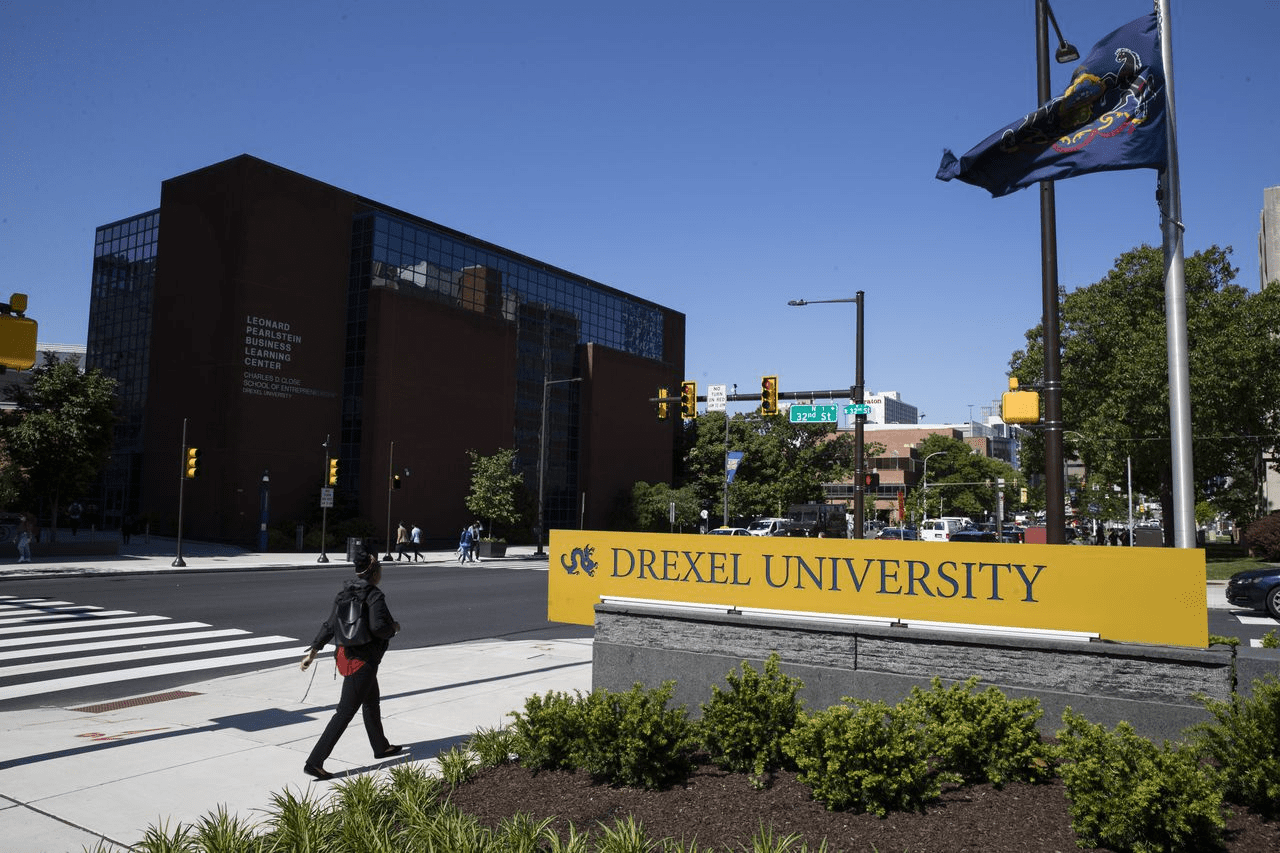
The Drexel Institute of Art, Science and Industry, funded by Anthony Joseph Drexel, opened its doors in 1891. It immediately distinguished itself as an innovator. The founder’s vision was to set no restrictions on applicants based on race, gender, religion, or socioeconomic status.
It’s worth noting that a culture of inclusivity only began to develop widely in the 21st century. In the late 19th century, higher education was pursued almost exclusively by white men destined for high-ranking positions. Drexel’s idea was truly revolutionary, offering talented young people a chance to get an education and build a dignified life.
Interestingly, the institute did not initially grant degrees. Bachelor’s programs were introduced in 1914, at which time the institute’s 18 departments were consolidated into four schools. In 1927, graduates began to be awarded master’s degrees, and a doctoral program was established in 1965.
The number of academic fields and programs has continually grown, and the university now comprises nearly 20 colleges and schools, including those for business, economics, medicine, and the arts. Reflecting these changes, the institute was renamed the Drexel Institute of Technology in 1936. Further expansion led to its new status as Drexel University in 1970.
In 2006, Drexel University was one of the first of its kind to open a new law school. In 2011, it affiliated with the Academy of Natural Sciences, an institution renowned not only in Philadelphia but far beyond.
A cornerstone of Drexel’s curriculum and philosophy is its cooperative education program, or “co-op.” This program embodies the founder’s ideas about the practical side of learning. The co-op provides up to 18 months of paid, full-time work experience in a student’s future field. As a result, graduates have a better understanding of their career prospects and find employment more quickly after receiving their diplomas, while feedback from these practical experiences enriches the educational process.
Drexel University: A Legacy of Tradition and Innovation
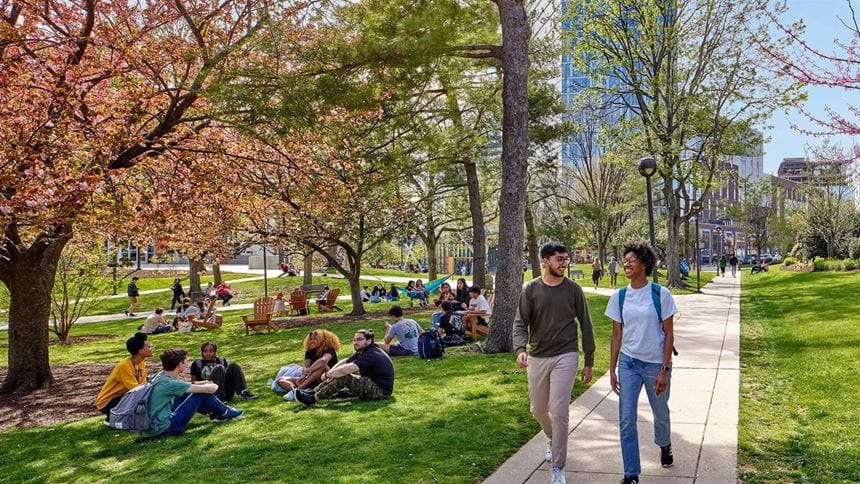
Drexel is known for its innovation. In 1983, it became one of the first universities in the U.S. to require students to use microcomputers for their coursework, providing over 1,800 students with a Macintosh 128K. In 2000, its entire campus transitioned to wireless technology.
Despite constant change, Drexel University’s core mission remains steadfast. Its doors are open to anyone with the necessary ability and desire to learn. In keeping with the founder’s vision, there have never been restrictions based on gender, race, or religion. Drexel owes much of its success to this founding principle, as it has discovered countless talents, and its graduates go on to change not only their own lives but the world around them for the better.