

The development of the postal service in the United States is deeply connected to Philadelphia. It was here that the Second Continental Congress brought the postal system under government control. Moreover, Philadelphia was the birthplace of many postal innovations, championed by famous city residents like Benjamin Franklin and John Wanamaker.
From horse-mounted messengers to truck drivers, from steamboats and railroads to airplanes, Philadelphia’s postal network has evolved through every stage of development, driving improvements in the service nationwide. Discover more at philadelphia1.one.
The Beginnings of Mail Service in Philadelphia
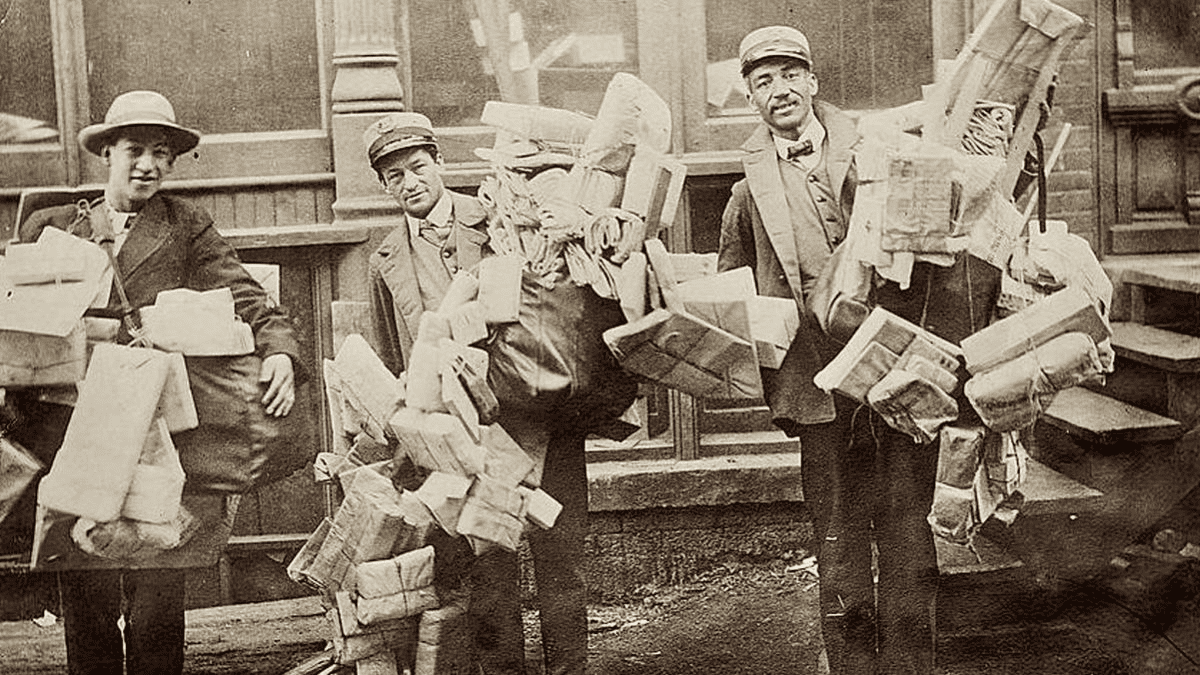
The first mail carriers in the region of modern-day Philadelphia were members of the indigenous Lenape tribe. They were hired by Dutch colonists to transport letters between the European settlements that existed at the time in the Delaware River Valley.
When the English displaced the Dutch from the territory, they began establishing the first post offices. These offices employed private couriers who delivered mail to specified addresses. The first such office in Philadelphia was founded in 1683 by William Penn.
In 1691, English officials established a private monopoly postal service with offices in various cities to serve all the English colonies in the New World. It was headed by New Jersey Governor Andrew Hamilton, and the Philadelphia offices were brought under its control.
Benjamin Franklin and the Philadelphia Post
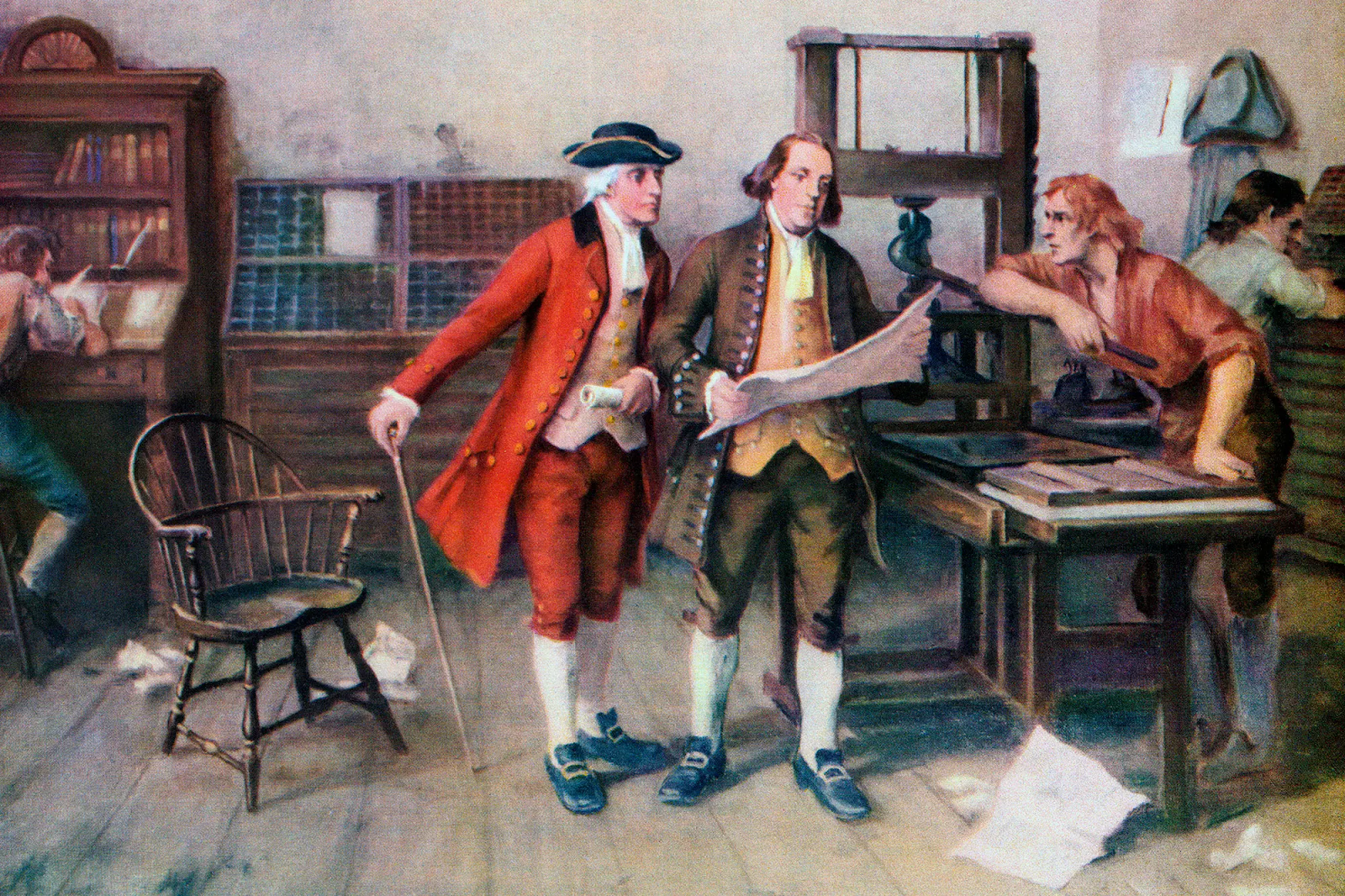
Benjamin Franklin gave new momentum to the development of the postal service in Philadelphia. He was appointed the local postmaster and ran the post office with his wife, Deborah. At the time, Franklin owned his own printing press and published a newspaper, so he was keenly interested in the job, which gave him access to news and a way to distribute his own publications to city residents. He also used it to exchange scientific information among members of the American Philosophical Society, which he founded in 1743.
Franklin remained in this post until 1774, when he was dismissed by the British government for his sympathies with the colonial rebellion. During his time as postmaster, Benjamin Franklin introduced many innovations that led to a faster and more reliable postal service:
- He inspected post offices throughout the northern colonies and laid out new, more efficient mail routes.
- He implemented new accounting methods that made the postal service profitable for the first time.
- He introduced home delivery, where recipients could pay for postage upon arrival.
During this period, seven post offices operated between Philadelphia and New York, and delivery speed increased significantly with the introduction of night-riding couriers.
Given his experience and knowledge, the Second Continental Congress appointed Benjamin Franklin as the first Postmaster General of the United States. He soon passed the position to his son-in-law. Mail delivery was confirmed as a government power, and new postal roads began to stretch westward from Philadelphia.
Further Development and John Wanamaker
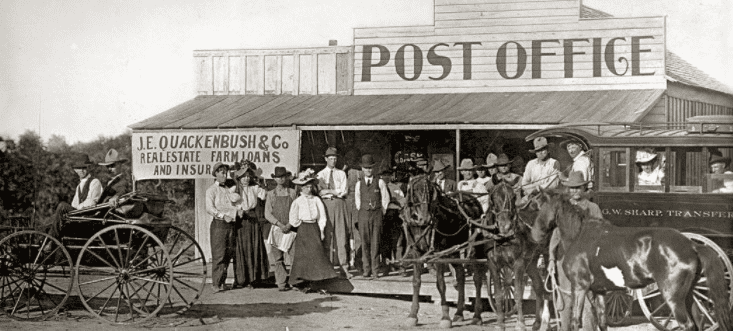
In 1792, Congress passed the Post Office Act. It established low rates for mailing newspapers that covered government activities, which helped increase their circulation. Additionally, it made it illegal for postal employees to read mail and gave Congress the authority to establish postal routes.
In 1800, the postal service administration moved to Washington, D.C., along with the rest of the federal government. At this time, innovations like stagecoaches appeared. The government contracted with them to carry mail, greatly increasing delivery speeds. Philadelphian James Reeside founded a high-speed mail line between Philadelphia and New York and eventually became the largest mail contractor in the U.S. Steamboats and, in the 1830s, railroads were also enlisted to carry mail. Most of these routes passed through Philadelphia as the postal network expanded to cover the entire country.
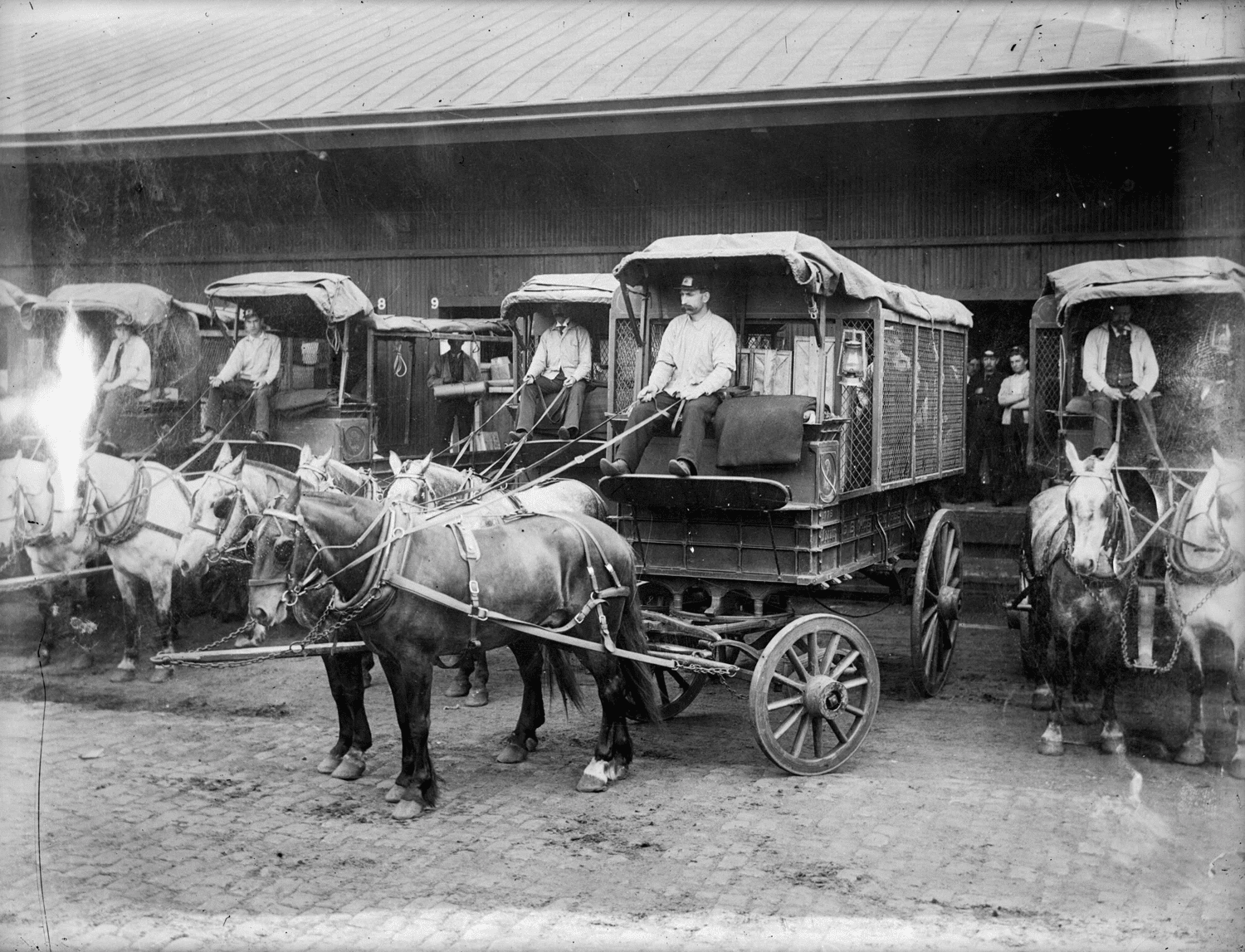
In 1889, the famous Philadelphia department store founder and marketing genius John Wanamaker became the U.S. Postmaster General. He developed the first commemorative stamps and introduced services like parcel post and rural free delivery. Due to his religious beliefs, he banned postal operations on Sundays and the sale of lottery tickets at post offices.
Wanamaker was eager to implement modern technology in the postal service. He experimented with using pneumatic tubes to speed up mail delivery between the city’s post offices. He also inaugurated the city’s first subway mail service by sending a Bible wrapped in an American flag to the main post office in just 62 seconds. Later, the city’s subway system connected the main post office with other key infrastructure sites.
The Postal Service in the 20th Century
The great postal innovation of the 20th century was the use of air transport. Philadelphia played a crucial role in this process, as the city is located between New York and Washington, D.C. The federal postal service chose a site northeast of Philadelphia for a mail airfield. The experiment ran through the summer of 1918. Pilots would fly towards each other from both cities and cross paths in Philadelphia, where they would exchange mail. Most deliveries were successful, though occasionally pilots got lost in fog or had to make emergency landings. By the next year, airmail had spread across the continent, and in 1939, the first transatlantic airmail service was completed.
From then on, the postal service in Philadelphia and the region followed national development trends. Automated sorting and ZIP codes were introduced, increasing speed and capacity. More mail began to be transported by trucks and planes. Unfortunately, the traditional postal service began to decline as more modern methods of information exchange emerged.
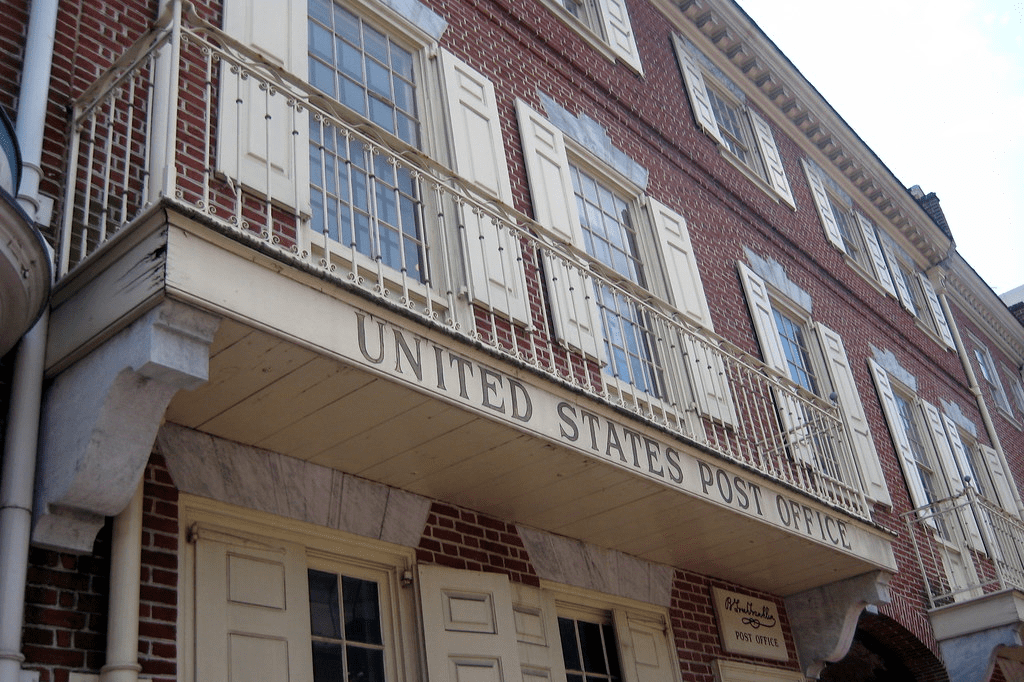
In 1970, the Postal Reorganization Act was passed, creating the United States Postal Service (USPS) and opening the door for private competitors. To cut costs, many local post offices were closed, and existing ones were reorganized. For example, in 2006, mail sorting was moved from Philadelphia’s main post office to a new facility, leading to the layoff of nearly 600 employees.
Changes in the postal service in Philadelphia, as in the country as a whole, have been a constant throughout its history. Technologies are always improving, and consumer needs are always changing. In terms of tradition, however, Philadelphia is linked to the practice of placing postage stamps in the corners of envelopes. It was also here that city symbols first began to appear on stamps. The first U.S. stamps, issued in 1847, featured images of Benjamin Franklin and George Washington. Later, they depicted the Declaration of Independence, Independence Hall, and other important historical sites directly connected to Philadelphia. In 2007, the Postal Service issued a stamp featuring the Liberty Bell. This was the first “Forever” stamp, and the Liberty Bell was chosen as a timeless national symbol, linking this postal innovation to Philadelphia and underscoring the city’s role in the establishment and development of the nation’s mail service.