

In the 21st century, Philadelphia boasts a well-structured and effective public school system. Long gone are the days of separating students by gender and race. Today, education is for everyone, and it’s hard to imagine that this approach was only introduced in the early 19th century. It was then that Pennsylvania decided to provide publicly funded education for children from low-income families. The education system has come a long way since those early days. Learn more in this article from philadelphia1.one.
Foundational Education for Boys and Girls
In the early 19th century, Philadelphia was rapidly growing as a major industrial hub, and its population was constantly increasing. People from all walks of life came here searching for a better future. Most were poor, and finding work was often a struggle. This led to a rise in crime rates.
City officials responded by deciding to offer publicly funded education to children from low-income families. At the time, Philadelphia had private schools, but they were only accessible to the middle and upper classes. Furthermore, obtaining a basic education was not mandatory. However, officials believed that education was the key to overcoming poverty. So, in 1818, the “First School District of Pennsylvania” was established, with the state taking on the responsibility for funding and overseeing the educational process.
The organization’s first president was Roberts Vaux. He believed that schools should be free and open to all students. In 1827, he founded the Pennsylvania Society for the Promotion of Public Schools, and ten years later, his vision became a reality. From then on, Philadelphia’s public schools grew at an incredible pace. By the 1840s, they enrolled 17,000 students.
Reflecting the public’s growing interest, the Central High School for Boys was opened in 1838. A decade later, the Philadelphia High School for Girls opened its doors on Chester Street. Interestingly, many of its graduates went on to become teachers. However, at that time, women could only hold these teaching positions until they married.
As for African Americans, segregation was a widespread practice in the 19th-century United States. In 1854, racial segregation in schools was even legalized at the state level. Philadelphia opened separate schools for African Americans, which were also divided into institutions for boys and girls.
By 1867, a remarkable two-thirds of Philadelphians aged 6 to 12 were enrolled in school. By 1870, the total number of students in the city had reached 89,000.
Education for All and Racial Bias
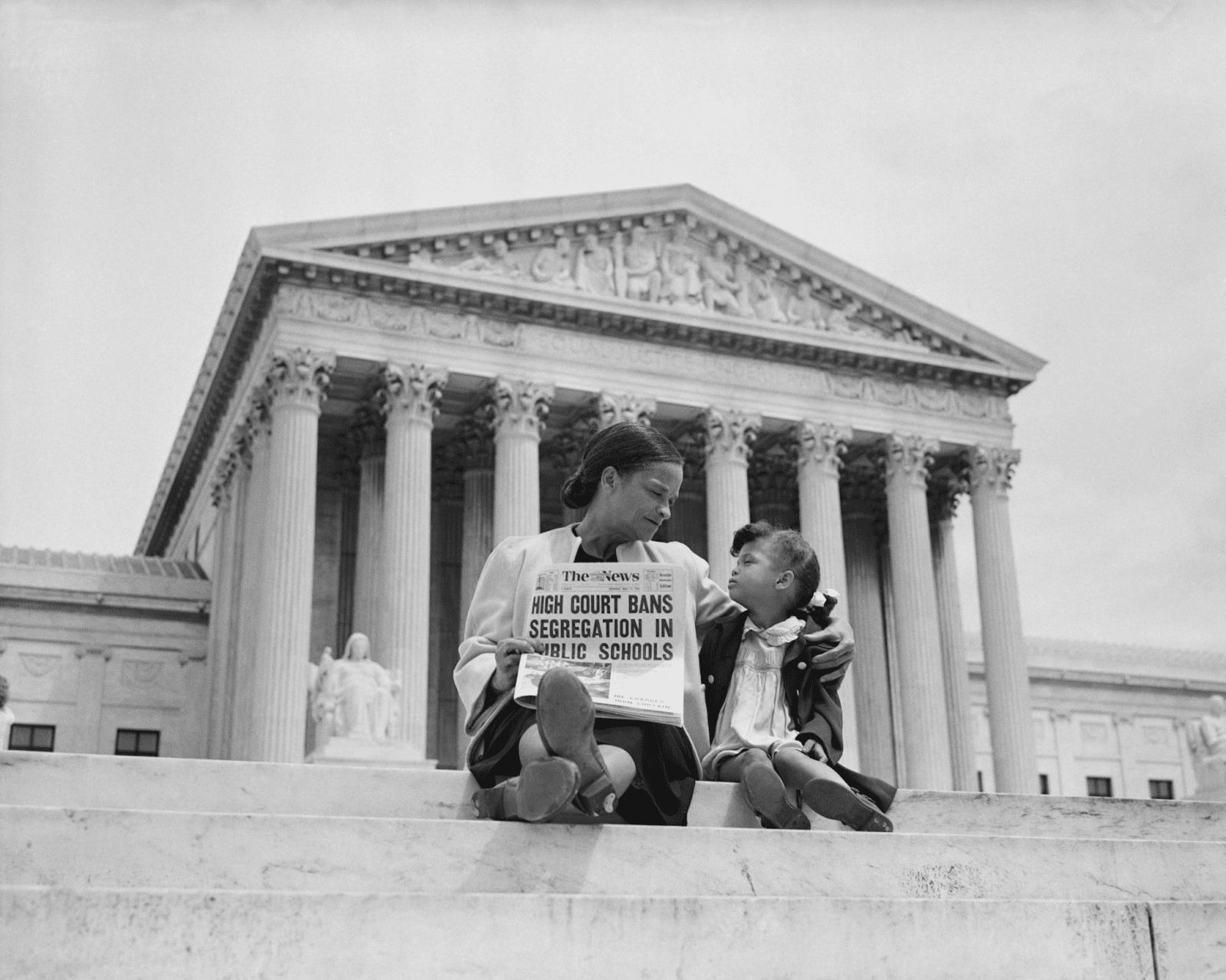
For a long time, segregation remained one of the biggest challenges in the education systems of both the United States and Philadelphia. Even in the mid-20th century, African American children lacked equal access to all schools. Meanwhile, the city’s African American community was growing, but its members were concentrated in specific neighborhoods. The schools in these areas effectively became segregated.
Despite state mandates for desegregation and opening schools to all students regardless of skin color, Philadelphia’s administrators resisted these new laws for quite some time. It wasn’t until 1963 that the Board of Education finally decided to promote integration and change school enrollment policies.
In 1983, Constance Clayton made history as the first African American superintendent of the Philadelphia School District. She introduced her own “modified desegregation plan,” which relied on the voluntary participation of schools in the process. Gradually, this approach succeeded in overcoming racial discrimination in the city’s school system.
Educational Governance in Philadelphia
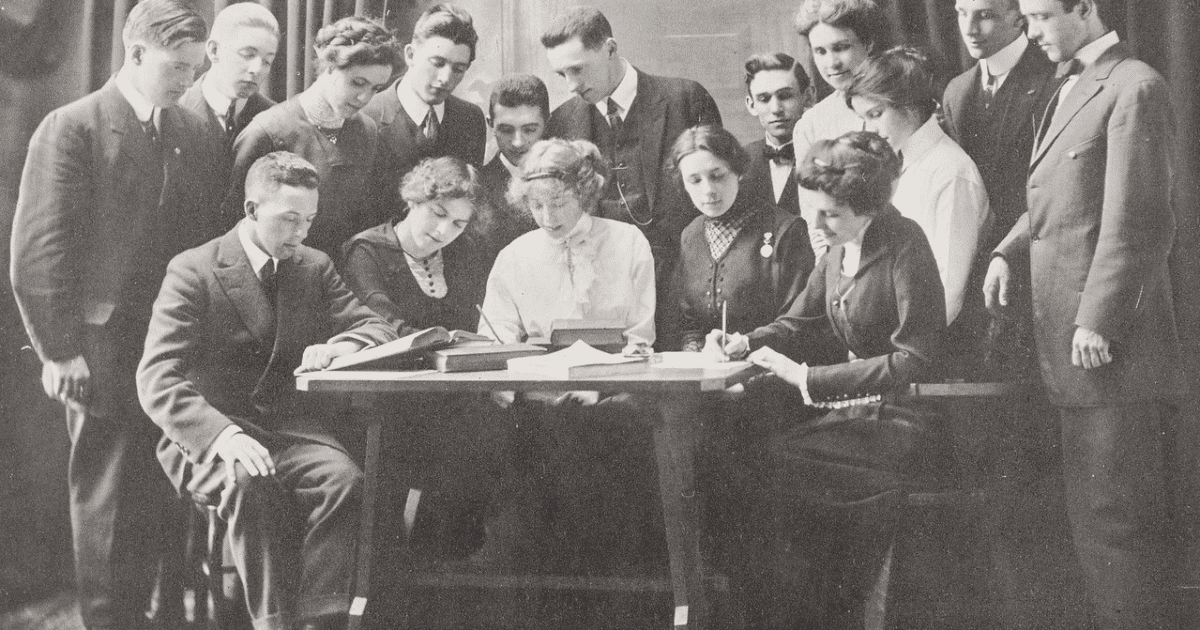
As the school system began to develop, each Philadelphia neighborhood had its own board of directors responsible for governing the public schools. These boards were composed of community leaders, politicians, and businessmen. They had the authority to build schools, select principals, and hire teachers.
In 1905, Pennsylvania passed the “Reorganization Act.” This act established a new, centralized board of education that appointed superintendents for the school districts. In Philadelphia, these roles were filled by James A. MacAlister, Edward Brooks, and Martin G. Brumbaugh.
Under their leadership, the Philadelphia School District’s curriculum became richer and more diverse, including:
- The addition of fundamental sciences, American history, foreign languages, and physical education.
- Central High School built an observatory and developed an astronomy course.
- The creation of evening divisions offering literacy courses.
- The district began organizing sports competitions for both boys and girls.
At the same time, the school system remained heavily dependent on state funding. To balance the budget, officials often cut teacher salaries. This led to the formation of the Philadelphia Federation of Teachers, which went on strike six times between 1970 and 1981. Teachers demanded better working conditions and higher pay. Unfortunately, progress on this front was very slow. As a result, the school system often continued to function only through the enthusiasm and dedication of its teachers.