

Philadelphia’s Girard College, which opened in 1848, had an unusual beginning for its time. The funds for its establishment and operation were bequeathed to the city by renowned entrepreneur and philanthropist Stephen Girard. Learn more at philadelphia1.one.
When he passed away in 1831, Girard was the richest person in America. He left the majority of his fortune to Philadelphia for the construction of a boarding school for poor, white, orphaned boys. This was the largest private donation of its kind, surprising not only the public but also Girard’s relatives. He had no children, but his nephews attempted to contest the will. We delve into this story in more detail in the article.
Stephen Girard and His Will
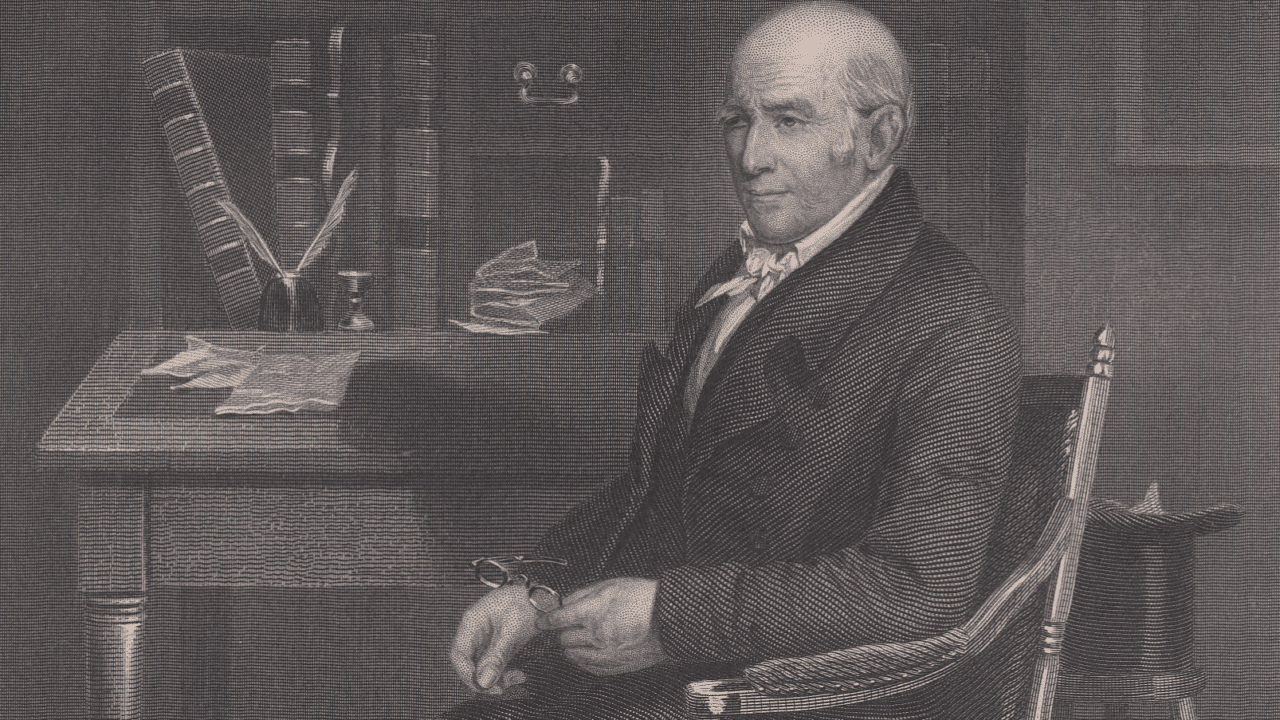
Stephen Girard was born in France. Following in his father’s footsteps, he decided to become a sailor, despite being blind in his right eye. In 1760, he set sail for America, and it was this continent that shaped the rest of his life.
He started as a cabin boy, working hard and learning the ropes of seafaring. By age 23, Stephen Girard was already a captain of his own ship. He traded in various ports, and in 1776, arrived in Philadelphia due to the British blockade of New York. After selling his ship, Girard opened a store and began engaging in trade and investments.
Girard displayed an extraordinary talent for entrepreneurship. He also began involving himself in public affairs and directing funds toward philanthropy. When a yellow fever epidemic broke out in Philadelphia in 1793, Stephen Girard not only chose to stay in the city but also did a great deal to combat the disease. From 1802, he served on the Philadelphia City Council, actively engaging in charitable work.
In his personal life, Girard wasn’t as fortunate. His wife was diagnosed with an incurable mental illness, and from 1790, she resided in hospitals. The couple had no children. So, when the renowned businessman and philanthropist passed away in 1831, his will garnered considerable attention.
At the time, Stephen Girard was the wealthiest man in the U.S., with his fortune estimated at $7.5 million. His 39-page will provided for:
- Lifelong financial support for a slave named Hannah and other women in the family.
- The construction of Delaware Avenue.
- $2 million for the creation and operation of a school for “poor white male orphans.”
Girard’s relatives were surprised and outraged by this distribution of funds. Beginning in 1833, they attempted to challenge the will’s legality with the aim of inheriting the entire estate. After numerous court hearings, the U.S. Supreme Court in 1844 upheld the will, affirming its full legality.
Stephen Girard’s Educational Vision
Interestingly, Stephen Girard not only left funds for the school’s construction and operation but also provided detailed instructions for its functioning. For instance, he specified the race of the applicants and stated they must be from Philadelphia, New York, or New Orleans. Among the mandatory subjects, the philanthropist listed natural sciences, foreign languages, and ethics. He forbade ministers from participating in the educational process or even entering the school. Stephen Girard himself had no formal education, so his convictions were shaped by his life experiences.
Furthermore, the businessman chose the desired architectural style (simple and functional) and a location for the institution near Ridge Avenue. He insisted on building a 43-acre campus surrounded by a 10-foot-high and 14-inch-thick wall. This, in his opinion, was meant to keep students away from the temptations of city life.
The building was designed by architect Thomas Ustick Walter, who also created the dome of the U.S. Capitol. Walter, a Philadelphia native, founded the American Institute of Architects. Construction began in 1833 and lasted four years, after which Girard College was officially opened.
Philanthropy and Racism at Girard College
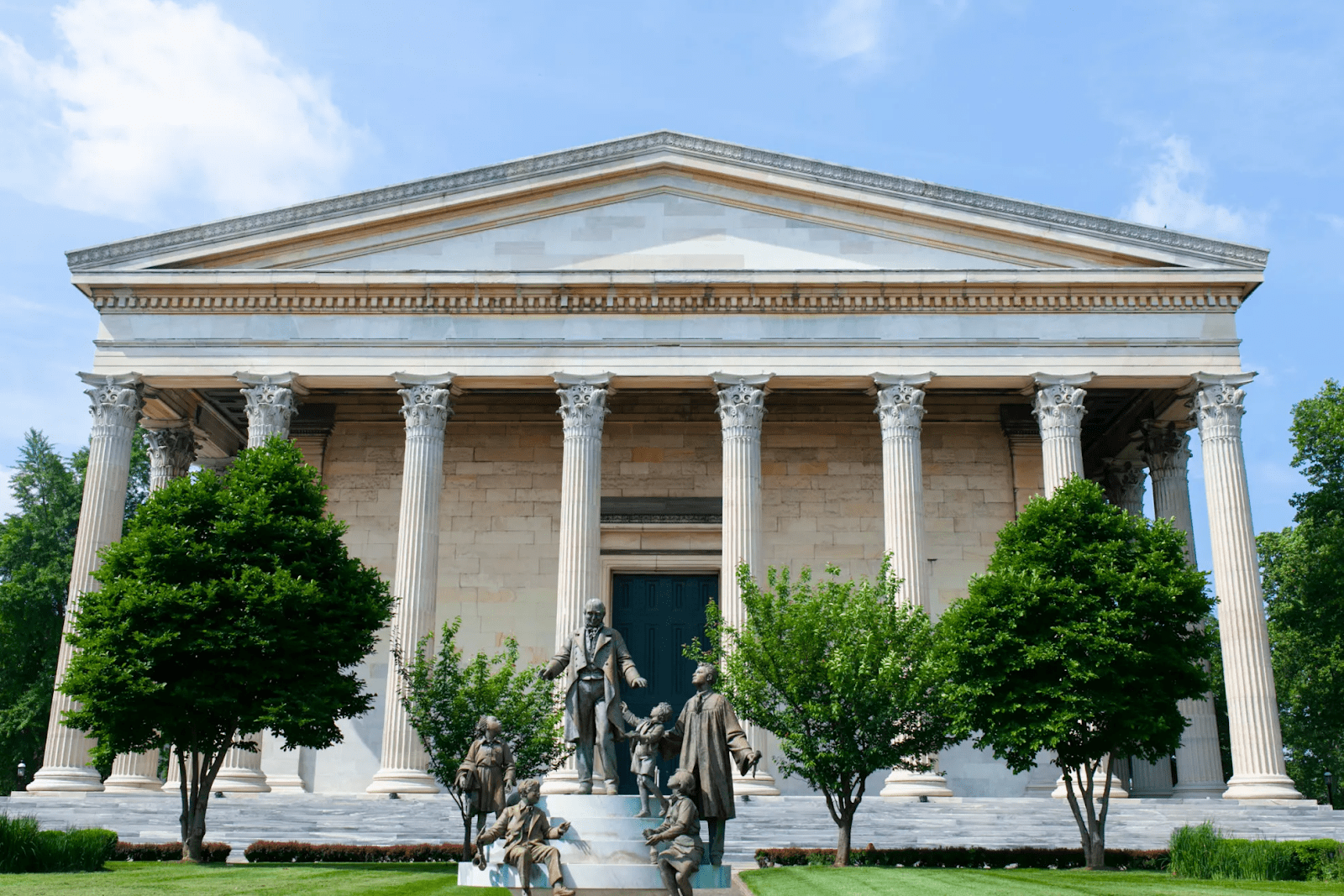
The opening of Girard College was an important act of benevolence. At the same time, it reflected Stephen Girard’s racial views and the prevailing attitudes of his contemporaries regarding women’s education. Only white, orphaned boys could attend, which offered them a valuable opportunity. However, girls and individuals of other races also needed education.
The movement for desegregating Girard College began in the late 19th century. In 1891, African American physician Nathan Mossell helped a poor Black orphan apply for admission to the institution. He was rejected, and nothing further came of it.
New efforts in this direction didn’t begin until after World War II. During this period, African Americans actively fought for civil rights. Girard College, located amidst Black neighborhoods and with a small student body, stood out as a stark negative example of segregation.
In 1953, lawyer and editor of “The Philadelphia Tribune,” E. Washington Rhodes, offered free legal assistance to all African Americans who wished to apply to Girard College. Unfortunately, no one responded. That same year, lawyer and city council member Raymond Pace Alexander presented a resolution arguing why the institution should admit Black male orphans. It was approved, but the College refused to comply.
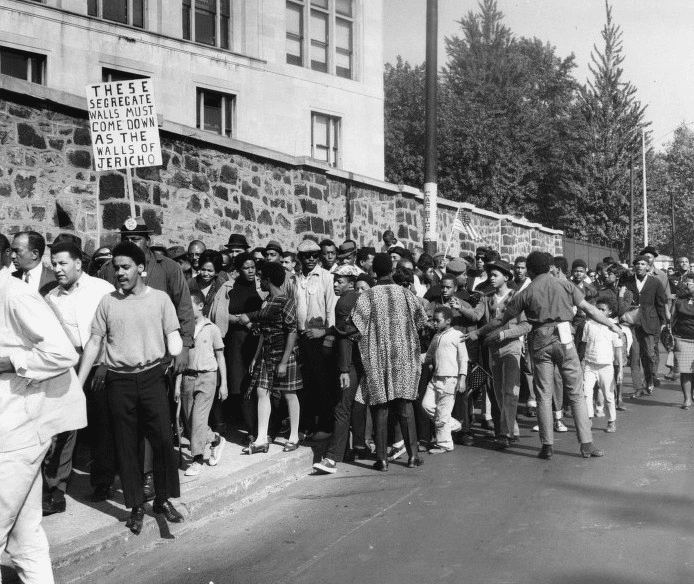
In 1954, the U.S. Supreme Court ruled on the desegregation of public schools, and the struggle with Girard College’s administration continued. The case eventually reached the U.S. Supreme Court, which pointed to a violation of the law but did not mandate specific actions from the institution.
Ten years later, attorney Cecil B. Moore filed a lawsuit against Philadelphia, demanding the desegregation of Girard College. Protesters began gathering outside the institution, organizing pickets, attracting media attention, and attempting to influence the city council.
Finally, in 1968, the U.S. Supreme Court ruled that Girard College practiced discrimination, violating civil rights. That same year, the institution admitted its first four African American boys and two boys of Asian descent. However, it remained an all-male college.
Girls first entered Girard College in 1982—nearly a century and a half after its opening. In the 1980s, the administration also permitted clergy to enter the campus, though religious discussions remained prohibited. Additionally, the institution began accepting half-orphans.
Girard College: Education for All

In the mid-19th century, Girard College offered white, orphaned boys a unique opportunity for free education and a chance to build better lives. Without it, they likely faced only difficult, low-paying labor and poverty. At this institution, they could live, learn, and create a dignified future. At the time, this was a great act of philanthropy. The subsequent fight for desegregation and women’s rights broadened admission to the College. By the early 21st century, over half of the students were of African American descent.
Overall, throughout its history, this institution has graduated over 20,000 children. In 2009, for the first time in the College’s history, it was led by a woman and an African American, Autumn Atkins Graves. So, Stephen Girard’s legacy has significantly evolved over time. Yet, the College continues to fulfill its core mission: to provide a thorough education to those in need, improving the lives of individual Philadelphians and the city as a whole.