

A library established in 1731, later became a nonprofit organization known as the Library Company of Philadelphia, also referred to as LCP. As of the 21st century, its collection includes over 500,000 books, as well as 70,000 other items, some of which were once owned by Benjamin Franklin himself. One of the main assets of the library are the original editions of Herman Melville’s novel “Moby Dick” and Walt Whitman’s poetry collection “Leaves of Grass.” But what were the first steps in creating the library? Learn more at philadelphia1.one.
Foundation of the library
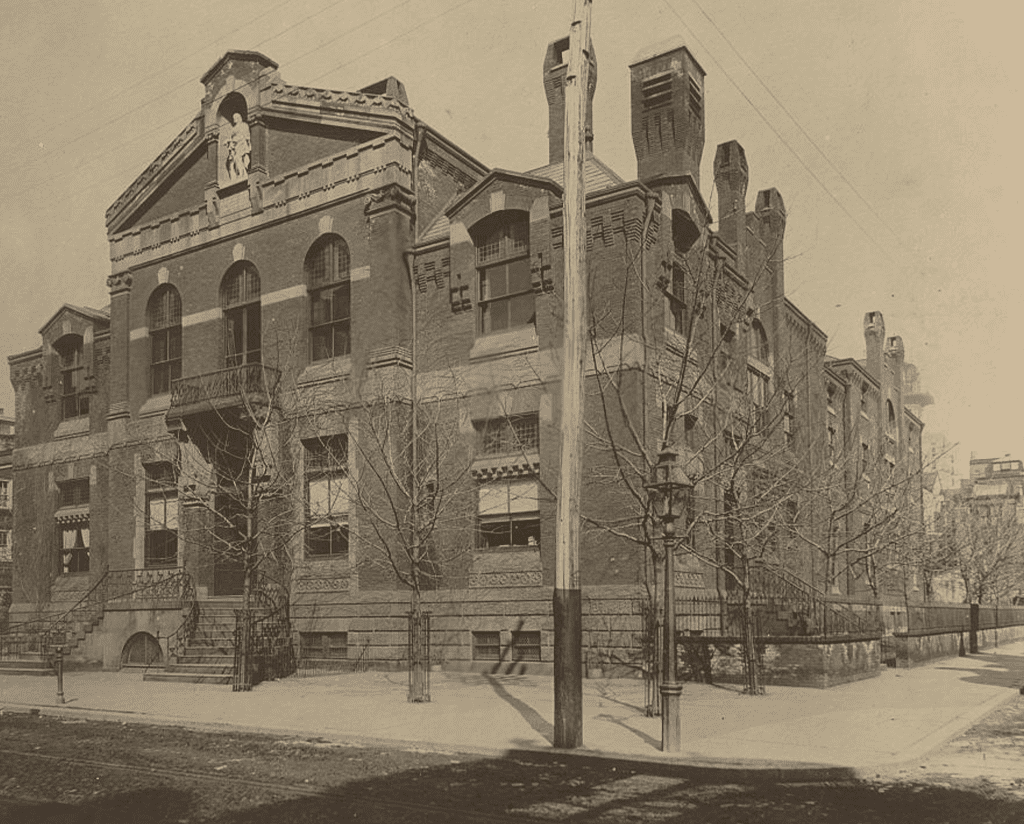
On July 1, 1731, Benjamin Franklin met with his fellow members of the Leather Apron Club, also known as the Junto. The group decided that they should establish a library. The friends came up with this idea because they felt a lack of facts every time they discussed something. Having a personal library could easily eliminate this problem, as it would store all the important documents that could confirm or refute each person’s opinion.
When they planned this, books and literature in general were not widespread, because it was an era of colonial Pennsylvania. In those years, ordering copies that came from London was too expensive, and delivery was too slow. This was quite an issue since Franklin and his friends did not have much money and were representatives of the middle class. That is why, none of them could afford to have their own library.
In fact, the institution was not started for charitable purposes. The collective contributions of all club members resulted in the creation of the library. The first copies that appeared on the new shelves were on religious and educational themes. It is important to note that the first volumes were written in English, whereas most books of the 18th century kept in academic and private libraries were available only in Latin.
Librarians
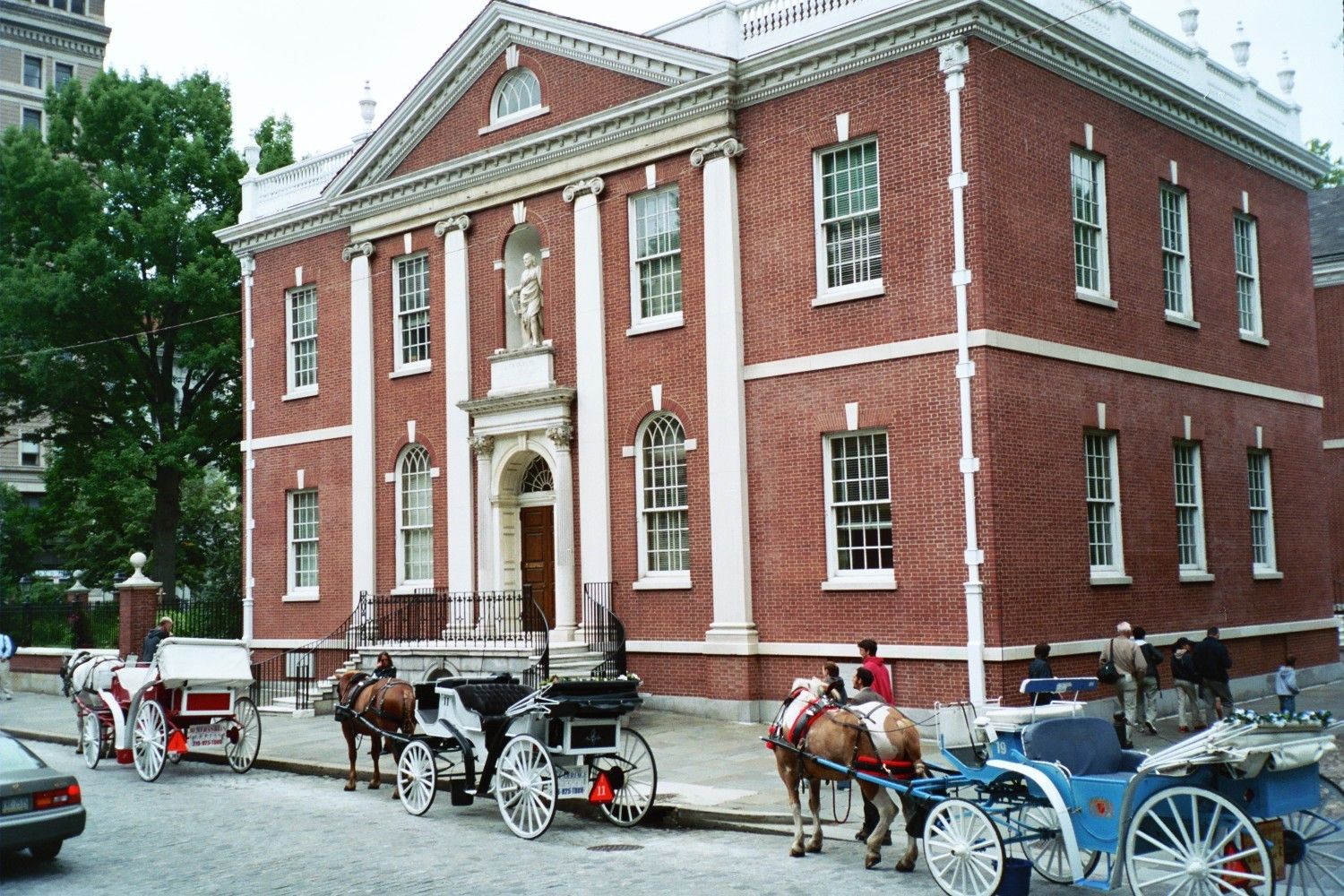
The position of a librarian was unusual in America. There had never been such a vacancy in the country before the newly established institution started searching for the first employee. Therefore, the managers decided to take up this matter immediately, as they aimed to systematically expand the library’s collection.
Louis Timothee became the first supervisor of the world of books, but he did not stay there for too long. During the search for a second candidate, B. Franklin himself performed all the duties of the librarian. He stopped working there in 1734 when he was succeeded by William Parsons. He became the new keeper of knowledge for a full 12 years. His successor, Robert Greenway, served in this position for five years longer.
Anyone interested could become a member of the library, and there were no limits on the number of books they could borrow. Other individuals could use the library’s privileges only by borrowing copies. However, the main rule for those who were not members was to leave advance money that could fully cover the cost of the book. It is worth noting that they were very expensive, but all the funds were given back after returning the copy.
Thus, choosing membership in the library was more advantageous than leaving a deposit, since all books were free in that case. The library’s hours of operation were quite limited. It was open for visits only on Saturdays and exclusively for four hours in the afternoon. So during this time, everyone had to handle all their library matters that had been postponed for an entire week.
The 18th-century collection
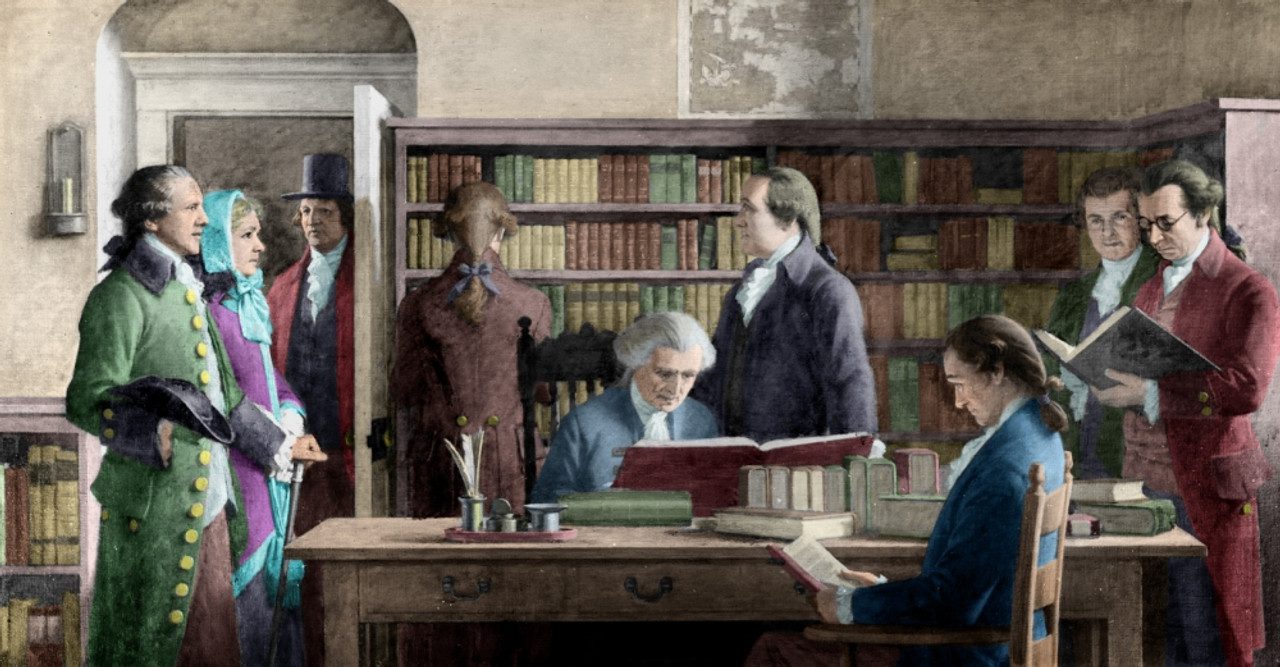
The oldest catalogs that could be found date back to 1741. Thanks to them, one can imagine what interested society at that time. Part of the shelves was filled with historical texts, geographical works and stories about travels and journeys. Each of these categories was constantly collected by the club members.
In addition to historical works, the collection also included fiction, most of which consisted of poetry or plays. Scientific works were stored in the library’s possession, as well as philosophy, art, linguistics and more. This list indicates that the members of the library had quite diverse tastes but strived to learn as much information as possible.
Expansion of the collection and influence
The library, which was established with funds from the club members, became an example for others. Other cities located along the Atlantic coast began to copy it.
However, the managers did not stop at their achievements and continued to expand their collection. Over time, the institution began to accept other interesting items such as ancient coins, fossils, minerals, etc. Moreover, the building started to resemble a museum. Benjamin West even sent a mummified hand of an Egyptian princess to the collection.
The library continued to grow, moving to larger buildings and taking over smaller book collection institutions. Already in the 19th century, it was granted the status of one of the five largest institutions of its kind in the United States. The library keeps developing, increasing its scale and influence every year. All of this was made possible owing to individuals who loved debates that required confirmation of opinions. Through them, Philadelphia gained a significant asset that has been developing for many years and allows one to feel the spirit of the past.