

The International Navigation Company was once a profitable enterprise. A lot of effort and funds were invested in its development, but such work does not always pay off. Wars, lack of funding and interest became obstacles along the way. Despite this, the company owned 26 ships and transported hundreds of passengers in its heyday. Learn more at philadelphia1.one.
Formation of the company
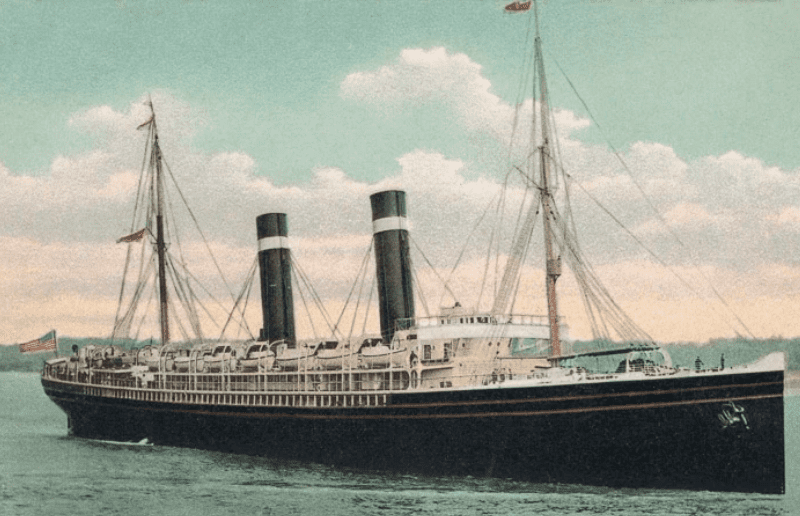
The International Navigation Company appeared after the Inman Line refused from its terminus in America, which was located in Philadelphia. This happened in 1858, but it took another long 13 years before INC emerged.
It turned out that many individuals and enterprises were interested in establishing shipping traffic with Europe. Among those who recognized this necessity was the Pennsylvania Railroad. The company supported the creation of two shipping companies. One was to operate under the American flag, while the other would operate under a foreign flag.
On May 5, 1871, a significant event for America took place. The International Navigation Company was founded by the Philadelphia shipping firm Peter Wright & Sons. Initially, they planned to operate under the British flag, but this situation later changed.
First voyage
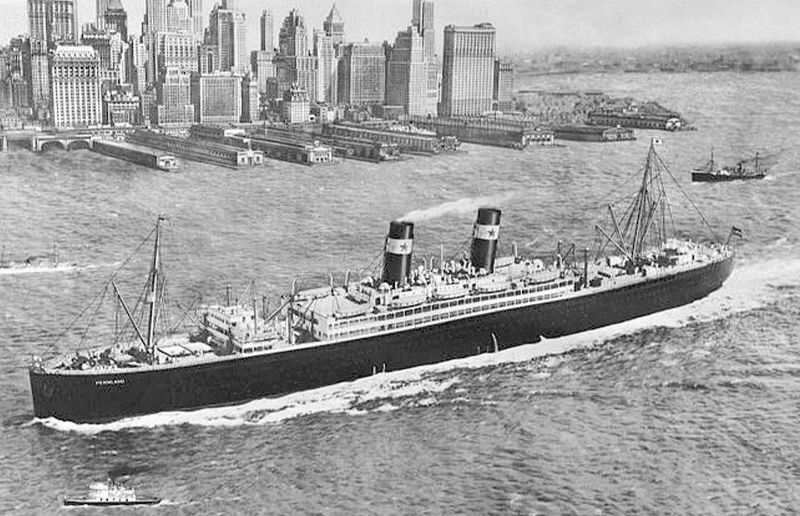
The company’s first steamer that set sail was combined. This meant that the ship was not only a passenger liner but also a tanker that transported oil. However, it was only one such voyage. The company had to abandon this type of savings, as it soon became clear that oil posed a great danger of fire, which in turn could result in significant losses. Therefore, the liners began to transport passengers separately from the flammable cargo.
Expansion of steamship lines
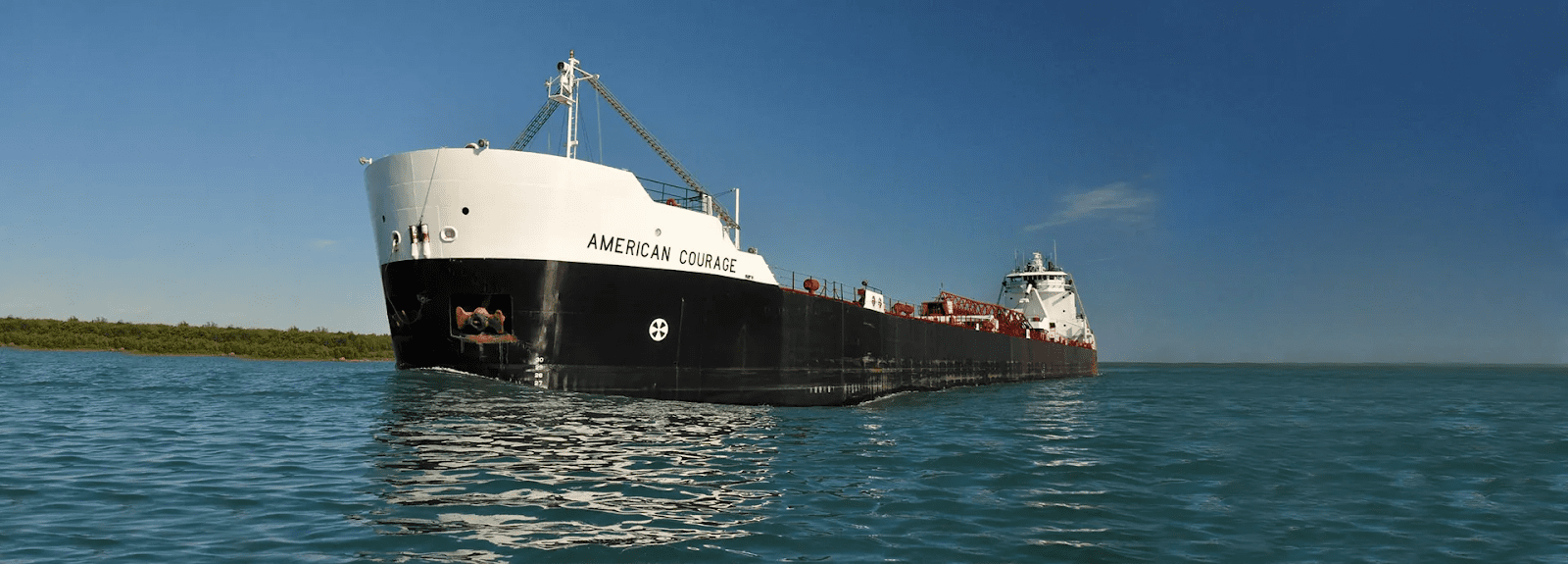
In 1872, discussions began about expanding the routes for the ships. The company’s general manager, Griscom, and his colleague Thompson discussed the importance of having an international shipping terminus on the continent. After long hours of studying the map, the men decided on the city of Antwerp, Belgium.
The main person who assumed the responsibility of discussing the situation with representatives from another country was Griscom. He personally went to meet with an official from Antwerp. The task was quite clear: to hold a conversation regarding the importance of improving and modernizing the port. Most importantly, they aimed to turn the city into the terminal station of the steamship line. The conversation bore fruit, as the company later received support from Leopold II, along with financial aid for port improvements.
Clement Griscom did important work with the Belgian government because the negotiations resulted in many other things besides improvements. Under the agreement, postal communications between Antwerp, Philadelphia and New York were established. Additionally, the new branch provided a significant portion of the company’s profits for about 30 years.
In 1873, Griscom became the head of the American Steamship Company. It was based in Philadelphia and fully handled the transportation of passengers and cargo to Liverpool.
With decent revenue, the INC company began to help others as well. However, support in business often ends in mergers. A similar situation occurred with the Inman Line in the 1880s. The company faced significant financing issues, and INC came to the rescue, later becoming its main creditor.
Griscom immediately proposed to acquire the Inman Line for £205,000 along with five liners, keeping their name. Such generosity was not only beneficial for expanding INC’s influence, but it also became its salvation. Therefore, without much hesitation regarding the offer, the director of the Inman Line agreed to Griscom’s terms, as there were no other alternatives.
At the same time, Griscom promoted the idea that all major shipping lines should be combined. This notion was logical, as it would make it easier to control carrying capacity and pricing.
Construction of new liners and further work on improving the company
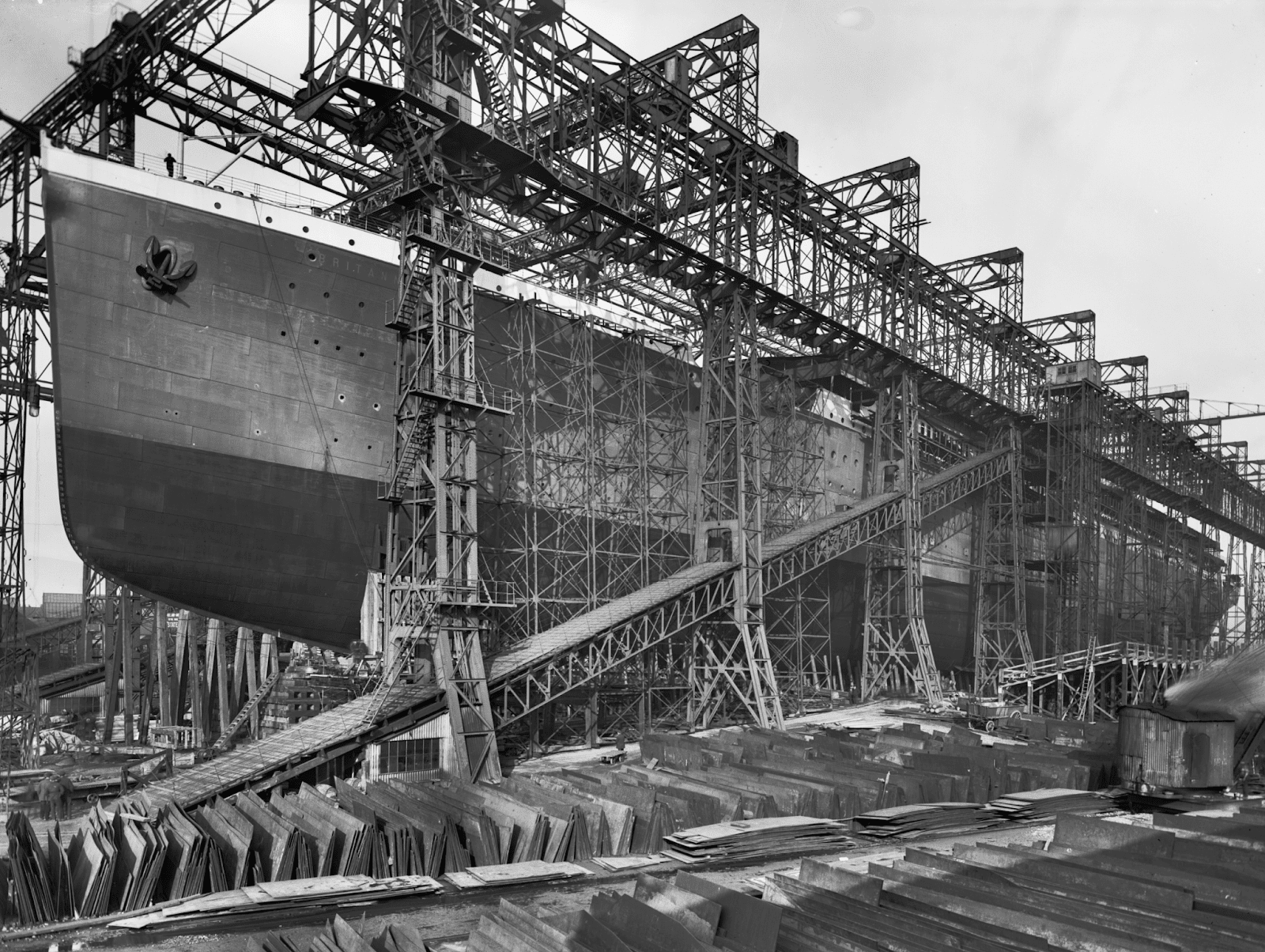
After purchasing the Inman Line, Griscom traveled to Liverpool. He was assigned by the Pennsylvania Railroad to give $2 million for the construction of a new ship. The main goal for INC was to be able to compete with other carriers, such as Cunard Line and White Star. During this trip, the design of two new express liners began.
In addition to building ships, the company also decided to merge the Inman Line and the American Line in 1893. Each of these initiatives was undertaken to create favorable conditions for starting a weekly premium-class transportation service. The terminus of the liners was Southampton. That same year, INC decided to reorganize the company to strengthen its position and finances.
The 20th century proved to be quite fruitful yet challenging for the company. In 1902, the management decided to expand more and took ownership of the Atlantic Transport Line, the Leyland Line, the White Star, the Dominion Line, as well as half of Holland America Line.
Hard times for INC
Expansion can sometimes have a devastating impact on a company. After buying new liners, Griscom did not anticipate that he would have to pay for this, as the enterprise was financially secure. However, the man paid too high a price for the purchase of companies, which led to heavy debts and their cover.
The next challenging period for INC came in 1915. At that time, the company began to decline rapidly because the war disrupted all financial plans. Therefore, it tried to focus on one liner that could at least bring minimal income, the White Star. Interestingly, the liner that the company was competing against became their savior.
Later, military demand breathed new life into the enterprise. The International Navigation Company profited from maritime transportation of the military.
Because of serious problems, the company began selling off most of its foreign subsidiaries. This allowed INC to stay afloat for several more decades. However, in 1986, it could not withstand the pressure and problems any longer. The company declared bankruptcy and ceased to exist.
Sometimes it’s hard to accept that a lifetime project can sink in just a few months. Undoubtedly, not every step can be predicted, but the example of Griscom, who tried to take over everything, shows that every action should be well thought out. If it hadn’t been for the rapid acquisition of companies, INC might still exist today.
However, Griscom demonstrated that the possibility of bankruptcy does not mean the end of all. It is worth trying to overcome any obstacles, even if the outcome seems clear. What matters in life is not the final destination but the journey and the struggle. Thanks to its resilience, the International Navigation Company earned its place in history. Despite its closure, the company is remembered and respected in the marine transport world, as it once became a giant in the business. Such recognition is earned through years of hard work, and lessons are learned from its mistakes.