

James Good Wright was born and raised right here in Philadelphia. He kicked off his career as an accountant and quickly climbed the corporate ladder. Wright became a prominent financier and banker in the U.S., a visionary leader and reformer in the railroad industry, and a director at the “Edison Electric Illuminating Company.” Beyond his business acumen, he was also a dedicated philanthropist—New York City still boasts a park he funded. He also generously supported libraries and hospitals. By the time he passed away in 1894, his fortune stood at a remarkable $5 million. Join us as we delve deeper into the success story of this celebrated Philadelphian. Read more at philadelphia1.one.
Early Life and Career Beginnings
James was born in Philadelphia on November 4, 1836, to William and Sarah Good Wright. He landed his first job as a teenager, spending several years selling dry goods.
At 20, James secured a clerk position at “Drexel and Company,” a local banking firm. His sharp abilities quickly caught attention, leading him to work as an accountant. By 1864, he had risen to become a partner in the company. During his tenure, he became a true expert in detecting counterfeit money and was responsible for currency verification.
A Business Titan: Banking, Railroads, and Innovation
In the 1860s, James Wright moved to New York City, continuing his work at “Drexel, Morgan and Company,” the successor to the Philadelphia firm. One of the Drexel brothers had just retired, paving the way for Wright to step into a partnership. His colleagues held his competence, intellect, and experience in high regard. As a result, James played a full role in management and actively engaged with the company’s clients. Over time, he began making his own investments, which significantly boosted his earnings.
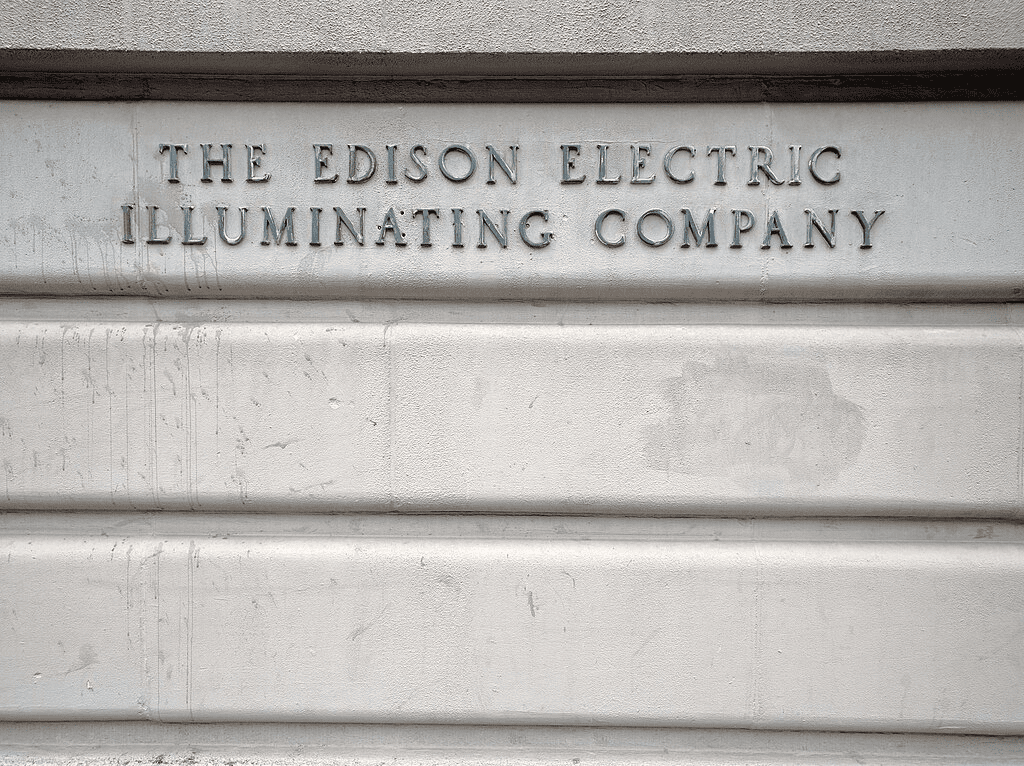
Concurrently, the businessman became a director at the “Edison Electric Illuminating Company.” He actively sought investors for electrical engineering enterprises and the advancement of Thomas Edison’s groundbreaking technologies.
Beyond his financial pursuits, James Good Wright also gained recognition as a visionary leader and reorganizer of railroads across the U.S.:
- He spearheaded the leadership of the Chicago, St. Paul, Milwaukee and Long Island Railroads, the Southern Railway, and New York’s “Guaranty and Indemnity Company.”
- He played a crucial role in reorganizing railroads in his hometown of Philadelphia as well.
- He led the Suburban Rapid Transit Road, which was then being transformed into an elevated railway.
- One of his final projects was the “Richmond and West Point Terminal Railway.”
James Good Wright also found time for public service. He served as president of Manhattan Hospital and was a member of the City Club, Metropolitan Club, Riding Club, and New York Yacht Club. He was a Presbyterian and a Republican.
Personal Life, Death, and Lasting Legacy
James Good Wright married in 1881 in Philadelphia. His bride was Mary P. Robinson, the widow of John M. Robinson, who had been Wright’s partner at “Drexel, Morgan and Company.” The couple spent their honeymoon in Washington, D.C., renting a private railway car for their travels. They had no children together, and Wright raised Mary’s children from her first marriage.
In 1894, the businessman’s health declined. He was diagnosed with heart disease, leading him to reduce his workload. That summer, James spent significant time resting with his family. Feeling an improvement in his condition, he returned to work at the bank in October but then unexpectedly passed away on November 12, 1894, at the age of just 58.
The renowned financier and banker was laid to rest at Woodlawn Cemetery in New York City. His funeral was attended by relatives, as well as many wealthy and prominent citizens, his partners, and colleagues who had worked with him for years.
James Good Wright’s estate at the time of his death was valued at $5 million in liquid assets and $300,000 in property. According to his will, these funds were to go to his wife, her children, and his sister. While his nephews attempted to challenge the wealthy uncle’s last will and testament, their efforts were unsuccessful.
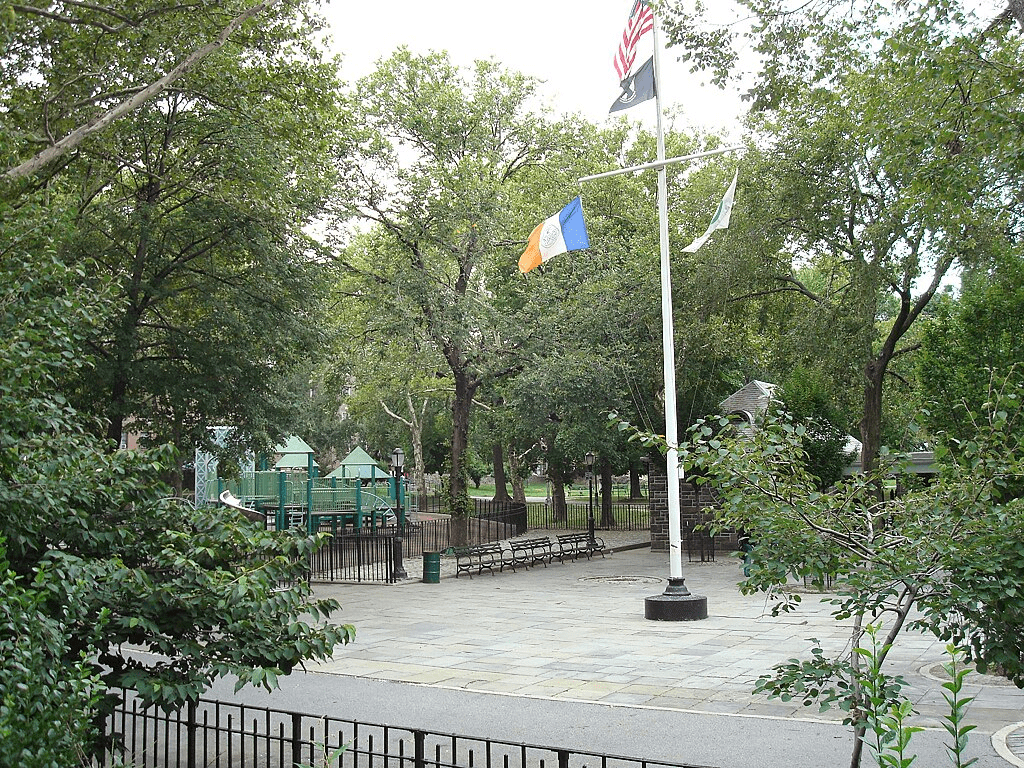
Throughout his life, James Good Wright was a well-known philanthropist. He donated land for the creation of a park in New York City and made a significant contribution to the development of a New York library. Thanks to his financial assistance, the institution abolished visitor fees, a fact still commemorated by a plaque on its building. Interestingly, after his death, an attempt was made to challenge the library donation, but this too was unsuccessful.
The challenge was initiated by New York’s Knickerbocker Hospital (now the James Good Wright Memorial Hospital), which the famous businessman had also funded. According to its directors, the library, which had by then become part of a larger institution, did not have the right to use funds that were earmarked for it as an independent entity. Although their challenge failed, the funding left by James Wright ultimately saved the hospital from closure during the economic difficulties after World War II.
Such was the life and achievements of this celebrated Philadelphian. He was a self-made man who not only amassed considerable wealth but also contributed significantly to the development of industry, infrastructure, education, and medicine in the United States.