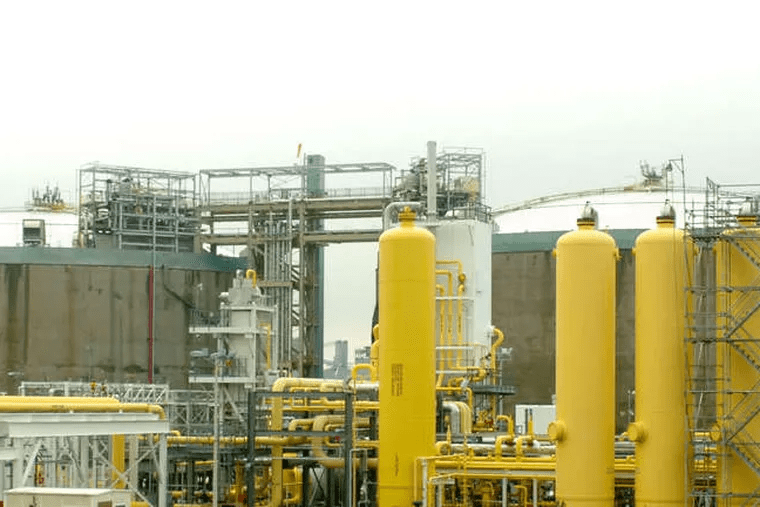

Philadelphia Gas Works, or simply PGW, appeared in the distant nineteenth century. For a long time, it operated in Philadelphia, providing residents with “blue fuel” and heating to keep warm or cook delicious American meals. Read about the unique history of this industrial facility, its contribution to the city’s development and its state in modern days at philadelphia1.one.
The establishment of the plant
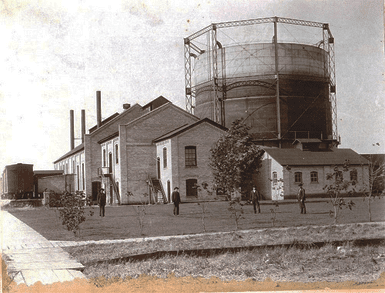
In the first capital of the United States, the local facility that produced “blue fuel” was built in 1836. At that time, people had high hopes for PGW, as most American towns in the first half of the nineteenth century already had illuminated streets and well-developed heating systems. Meanwhile, our city lagged behind in development due to the lack of a gas production plant.
Samuel Merrick was a famous American engineer and entrepreneur who spent much of his life in Philadelphia. There, he initiated a number of important educational and industrial projects. In particular, he was the one who came up with the idea of building the first gas plant in the city.
Once, Merrick visited gasworks on the European continent, after which he returned to the United States and proposed to Philadelphia’s officials to build such industrial infrastructure. However, the cunning officials agreed to take responsibility for the project only after it was built and had a financial future. Samuel took the risk, and in 1835, construction of Philadelphia Gas Works began on the Schuylkill River between Market and Filbert Streets.
PGW used coal from the very beginning of its operation, and the final product was delivered through pipes within the original boundaries of the settlement. In a relatively short time, they managed to provide gas for most street lamps and major gathering places. On the other hand, private use of gas lighting grew very slowly because it was too expensive for the working-class residents of the city.
How did the city utilize the factory for its own purposes?
In 1841, the rapidly developing and profitable enterprise caught the attention of local authorities. Philadelphia officials recalled their promises regarding the oversight of the plant and kept their word.
By 1890, over a thousand lamps illuminated the streets of Philadelphia and two million lamps lit up the private homes of its residents. It seemed that nothing could stop PGW, but local authorities still managed to throw a wrench in the works.
In the second half of the nineteenth century, the facility was not exploited for the comfort of residents but for American politicians. The latter were members of the Republican Party, who used the gas works’ board of trustees to launder money. Factory workers had to support this political party during elections to secure their jobs. PGW operated inefficiently, ran into debt and charged higher gas prices for private customers than any other city.
The situation changed when concerned unions managed to transfer the enterprise to a private company. However, the factory was still considered a rented property, so it paid taxes to the city budget.
After 1945, the factory began to evolve at a rapid pace. All relevant enterprises in America were transitioning from coal to more environmentally friendly raw materials. The building then legally belonged to the Philadelphia City Council, which politicized the operation of Philadelphia Gas Works again.
Modern days
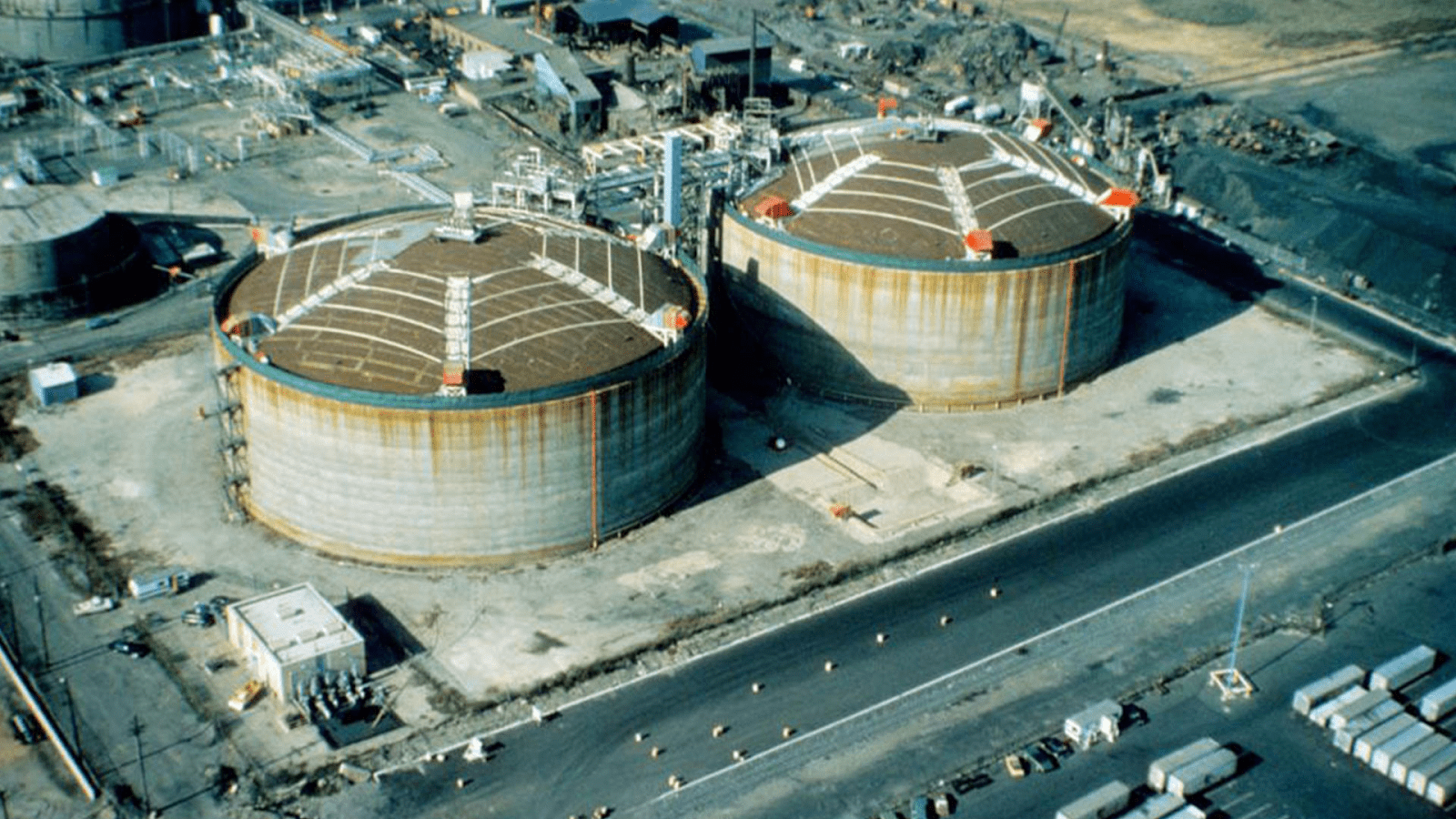
Philadelphia officials attempted to sell the gas plant in 2014 for almost two billion dollars. They later changed their mind, as the historic facility could bring in more funds for the budget from donors.
Overall, in 2015, the public utility that produced “blue fuel” was the largest in the United States among similar forms of political ownership.
Today, PGW remains a subject of controversy and debate regarding whether such a facility should be managed by local authorities or by a private corporation. Given that several settlements in our country own utilities that provide electricity, Philadelphia takes care of its residents through its own production.
In 2021, the administration of the industrial facility decided to limit the company’s dependence on carbon, which significantly harms the environment. A corresponding resolution was signed with the local government to improve the state of the atmosphere in the region. Subsequently, the first repair work was carried out on the gas pipes that had been installed in the second half of the twentieth century.
Throughout its existence, Philadelphia Gas Works has been nominated for advertising awards several times. It even won an award for marketing and sales one time.