

Caroline Boughton was a lifelong Philadelphian who, after receiving an excellent education, dedicated most of her career to teaching. Loved by her students and respected by her colleagues, she also found time to participate in the city’s civic life, joining several associations and championing women’s rights. Learn more about her life’s journey below. Read on at philadelphia1.one.
Family and Education
Caroline was born in Philadelphia on August 9, 1854. Her maiden name was Greenbank. She had an older sister. Her father, Thomas, was a judge of English descent from a devout and well-educated family where the men, generation after generation, chose careers in either law or theology. Caroline’s mother came from a noble Irish family.
Her parents ensured their daughters received a good education from an early age. After being homeschooled, Caroline attended a local school, graduating in 1874. Among the 80 graduates, she ranked fifth in her class academically.
Her strong academic results inspired her to continue her journey and build her own career. At the time, this was not a popular decision for a woman. However, her parents supported Caroline, and thus began her path in education.
Career in Education and Civic Activities
In the fall of 1874, Caroline accepted a teaching position at Miss Steven’s Seminary, located in Germantown in northwest Philadelphia. During her first few years of work, the young teacher demonstrated a remarkable talent for teaching. She maintained discipline in her classrooms with ease and always found ways to engage her students.
In 1878, she moved to the history department of the school she herself had graduated from four years earlier. For the next four years, Caroline chaired the department and earned a stellar reputation. Her talent and enthusiasm were impossible to ignore, and her charming demeanor fostered goodwill among students and colleagues. The young woman found her true calling in the field of education and worked at the school with great satisfaction.
In addition to her primary job, Caroline was actively involved in Philadelphia’s civic life and the activities of various associations and organizations, including:
- She was a member of the American Home Missionary Society, a Protestant missionary society founded in the U.S. in 1826.
- Through this, she learned about missions to Native American communities and became genuinely interested in participating. For five years, she served on the board of the Women’s National Indian Association.
- Caroline later became the auditor for this association.
The Women’s National Indian Association was founded in 1879 by American activists, many of whom were educators. Besides Caroline Boughton, members included Amelia Quinton and Mary Bonney. The women protested the seizure of lands in Indian Territory designated for Native Americans by white settlers. They wrote a petition demanding adherence to the treaties between the Indian nations and the United States. This document was reviewed and signed in sixteen states and later presented to the U.S. House of Representatives and President Rutherford B. Hayes.
The organization was later renamed the National Indian Association and was voluntarily disbanded in 1951.
Caroline was also a member of the Woman’s Christian Temperance Union (WCTU). This international group was one of the first organizations created by women and dedicated to social reform. Its goal was to merge secular and religious life using strategies and reforms based on applied Christianity.
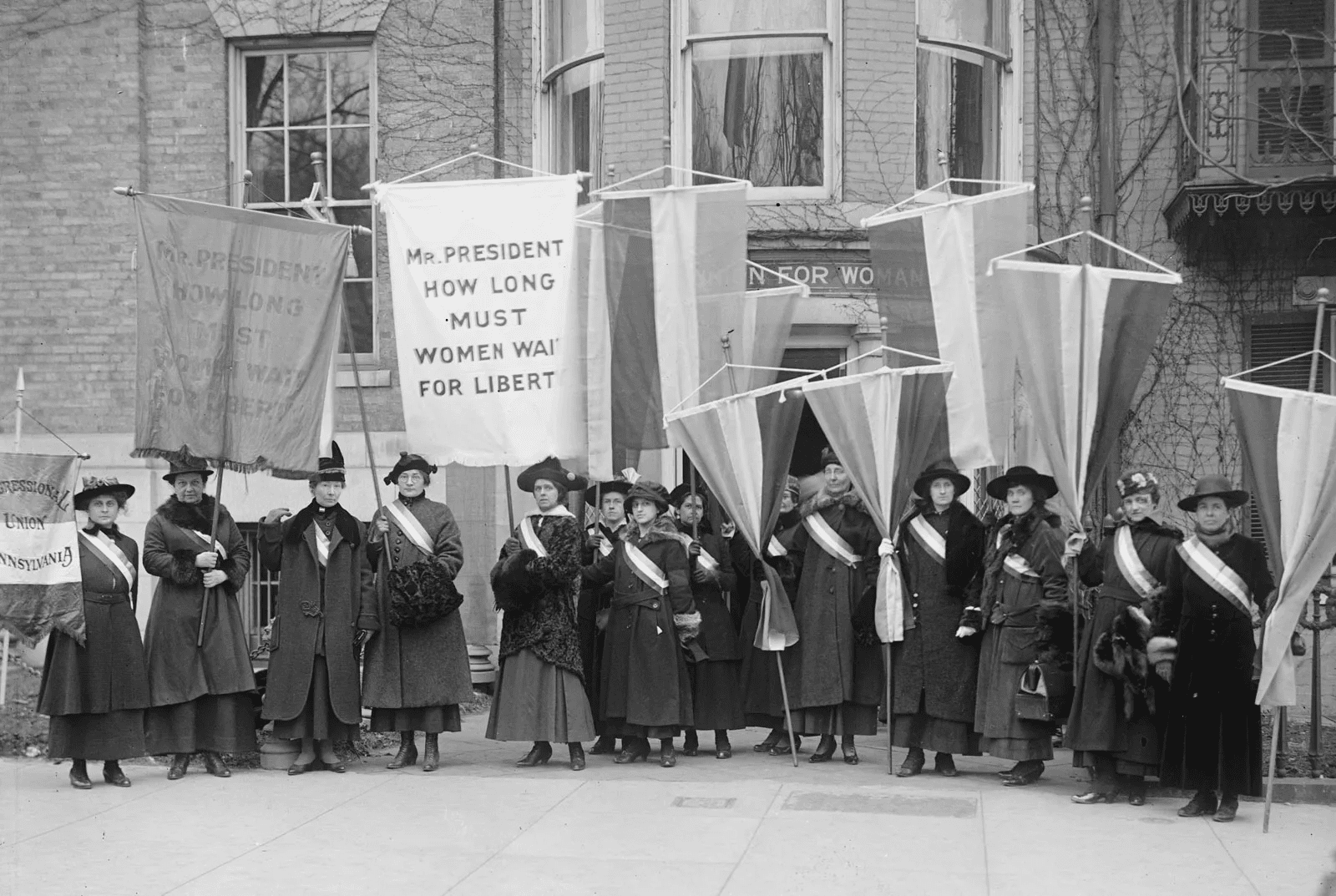
Furthermore, Caroline was interested in the development and rights of women. She was a member of Philadelphia’s New Century Club and the National Woman Suffrage Association, supporting the organization’s goals and principles. She believed that all women deserved equal rights with men, including the right to vote.
Thus, Caroline held quite progressive views and made a significant contribution to the suffrage movement in Philadelphia, as well as to the support of women in general.
In the late 19th century, her health began to decline. She then ended her career and somewhat reduced her civic activities. However, she remained a well-known resident of Philadelphia, respected and listened to by her community.
Personal Life
Not much is known about Caroline’s personal life, but it was quite happy. In 1882, she married John Boughton, who was also a well-known Philadelphian, an inventor, and an industrialist. The couple had no children.
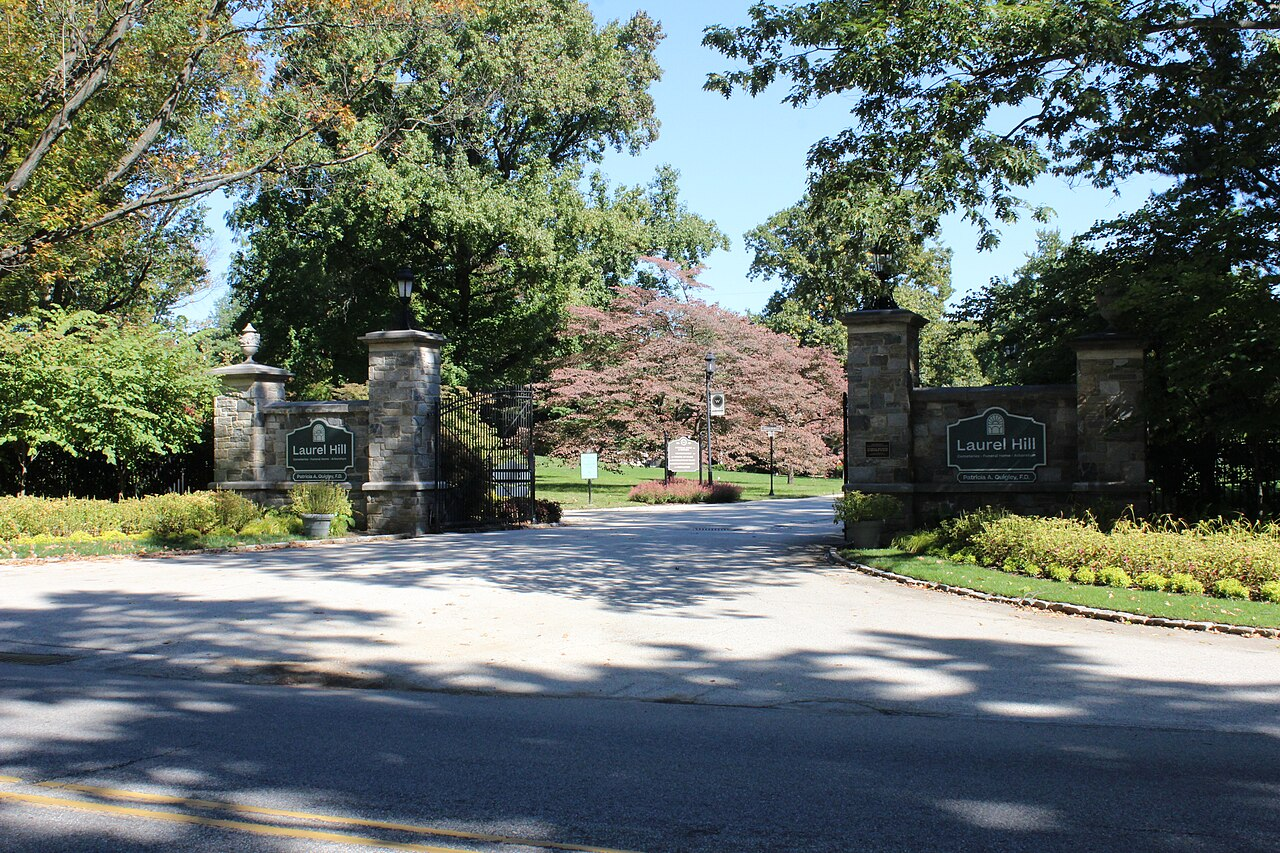
From the age of 50, Caroline’s health declined. By this time, she was no longer working or involved in civic initiatives. The talented Philadelphian passed away in 1905 and was buried at the historic West Laurel Hill Cemetery near Philadelphia.
The memory of Caroline Boughton lives on in archives and memories. It is thanks to women like her that the suffrage movement succeeded, and the status of women in the United States changed radically.