

Nellie Bright was a renowned educator, poet, and writer. Her teaching career was deeply connected to the schools of Philadelphia, one of which she became principal of in 1935. Bright inspired and motivated her students and did much to advance the African American community. Read on at philadelphia1.one.
In the 1920s, she joined the “Black Opals” literary group and co-edited a literary journal that became known far beyond Philadelphia. Nellie wrote poetry and prose and was also an artist. Here is the story of this talented woman’s life.
Nellie Bright’s Family
Nellie Bright was born on March 28, 1898, in Savannah, Georgia. She was the only daughter of the Reverend Richard Bright and his wife, Nellie. Her father was born on the island of St. Thomas. He studied theology in North Carolina and graduated from the General Theological Seminary in New York in 1891, becoming an Episcopal priest. Following his ordination, he was assigned by the diocese to a post in Savannah.
Nellie’s mother was born in Kentucky. After studying in Europe, she returned to her homeland and began working as a teacher. Upon arriving in Savannah, the Brights founded a private kindergarten and an elementary school for the local African American community.
In 1910, the family moved to Philadelphia, where Reverend Bright received a new appointment. At that time, tens of thousands of Black migrants from the rural South were heading to the city in search of better opportunities as part of the Great Migration. Reverend Bright’s congregation played a key role in helping them adapt to their new lives.
Education and Career
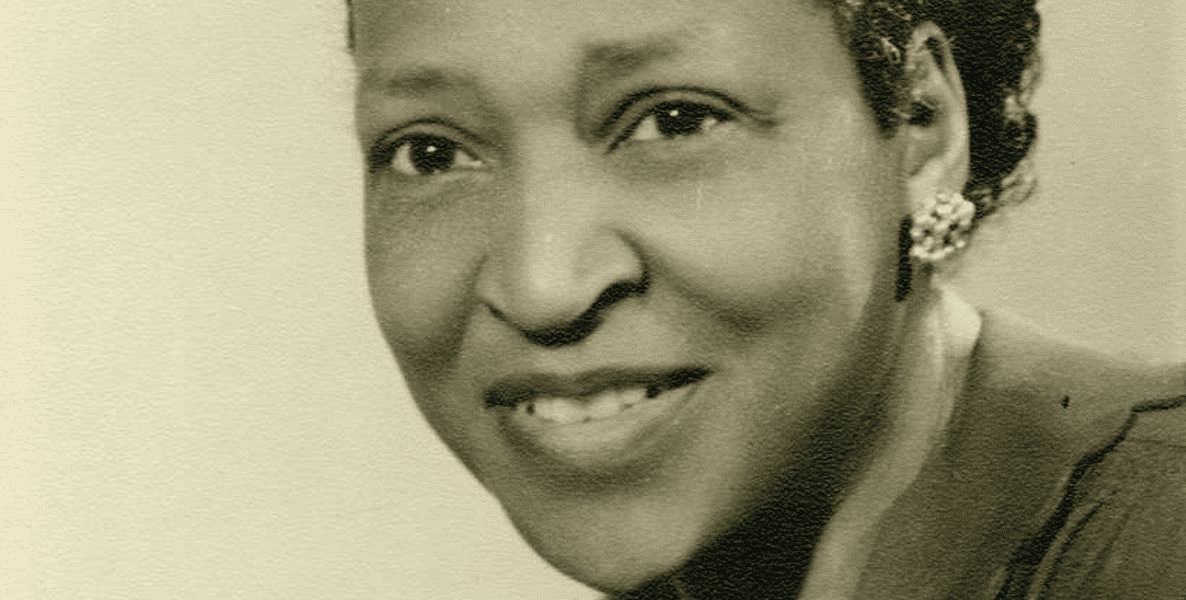
Nellie received her education at the Stanton Public School and William Penn High School, earning a diploma as an elementary school teacher and a certificate as a seamstress. In 1919, she enrolled at the University of Pennsylvania, graduating four years later with a bachelor’s degree in English.
During her university years, she joined the Black sorority Delta Sigma Theta. Many of its members would go on to become prominent civic activists, teachers, doctors, and lawyers.
Nellie continued her education abroad at Oxford University and the Sorbonne. She later studied art at the University of Vermont and the Berkshire School of Art, where she began painting landscapes. This passion, along with a sincere love of travel, remained with her throughout her life.
Nellie Bright began her career as a public school teacher in Philadelphia. In 1935, she became the principal of the Joseph E. Hill School. Her students described her as a rather strict principal and teacher who instilled in them a love for African American history and culture, as well as pride in their heritage.
By the time she retired in 1952, Nellie had led three different schools. Furthermore, she served on more than 15 civic boards and organizations dedicated to improving schools in Philadelphia. She was also involved in developing the city’s healthcare services and promoting interaction among different community members.
An important chapter in Nellie Bright’s life was her literary work. In the 1920s, she joined a group of the city’s young African American intellectuals:
- In 1927, Nellie co-founded the literary journal “Black Opals,” named after the first line of the poem “Longing,” which was published in its first issue.
- Bright regularly published her own poems in the journal, receiving praise from critics.
- Associated with the journal was a literary group that united Philadelphia’s talented youth, and Nellie was an active participant.
This talented woman managed to successfully combine her teaching, administrative, and creative work. She was exceptionally active and positive, inspiring many young African Americans to discover their talents and build better lives.
Life After Retirement and Death
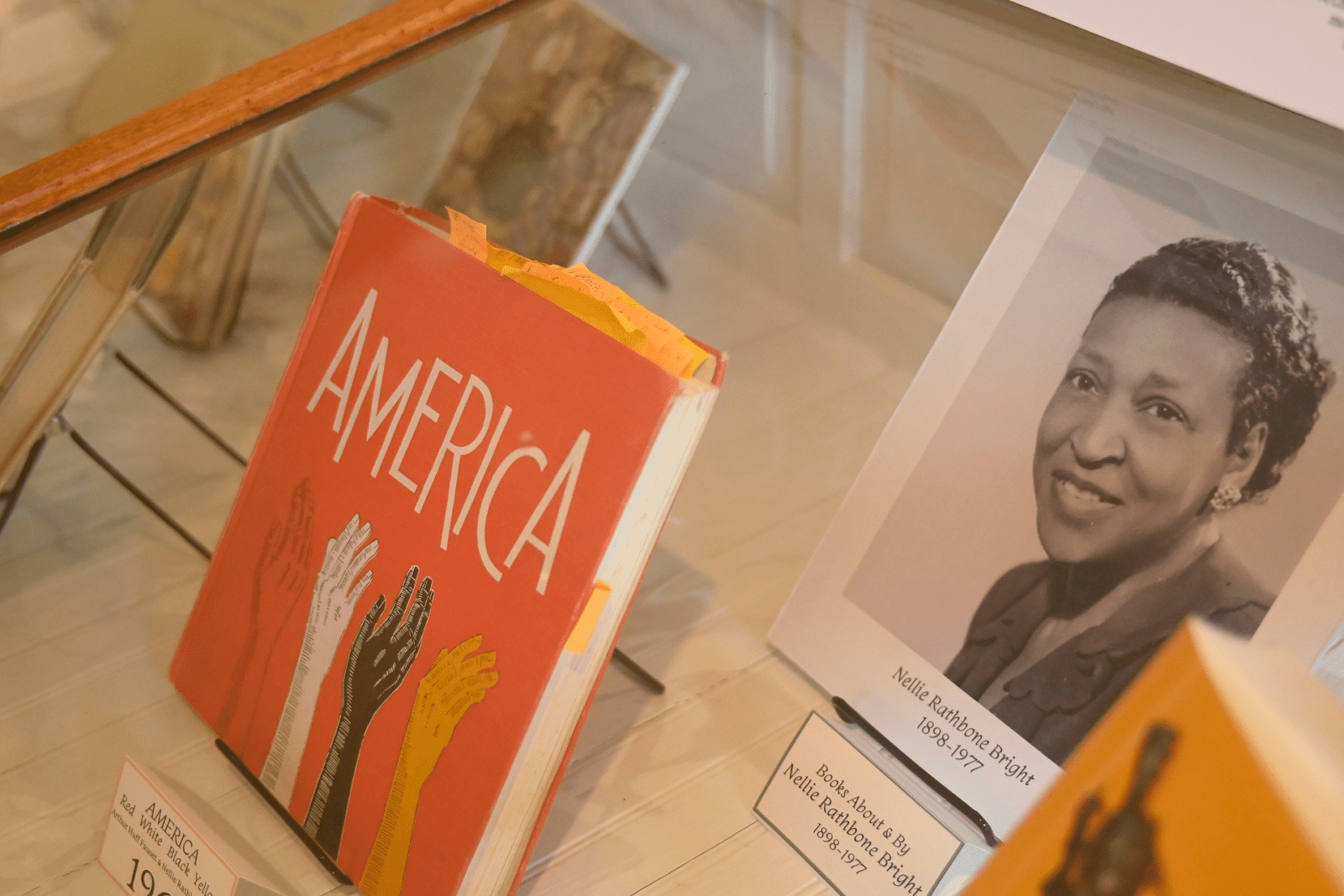
For the first seven years after her retirement, Bright taught in-service courses for teachers under the direction of the Board of Education. She paid special attention to African American history. These courses were introduced by Fellowship House, an organization that studied and explained ethnic and cultural differences to promote understanding among people of different races.
In 1972, Nellie co-authored the book “America: Red, White, Black, Yellow.” This historical publication about minorities and their experiences in the United States was created specifically for children and young people to promote racial literacy and reduce animosity.
In addition to these activities, Nellie Bright continued to be an artist, creating charming oil landscapes. She spoke Spanish and French and traveled extensively throughout the United States and Europe. She was particularly fond of the Caribbean and visited its islands numerous times.
Nellie Bright never married, dedicating her life to her career, art, and civic engagement. This outstanding woman passed away in Philadelphia on February 7, 1977, at the age of 78. She was buried at Eden Cemetery in Pennsylvania.