

The founders of Aramark were complete strangers until fate brought them together. Their story is a testament that a small venture can blossom into something vast and impactful for society. Not every year was a success for these entrepreneurs; they even faced accusations of monopolistic practices. Yet, in this industry, you truly have to be a “shark” to succeed. Today, Aramark’s headquarters are in Philadelphia, but getting there meant overcoming numerous hurdles for its founders. Discover more of their journey at philadelphia1.one.
What Exactly is Aramark?
Over the years, Aramark has evolved into a diversified service company dedicated to its clients. What started as a small business eventually branched out, acquiring a significant number of subsidiaries. Its operations now span various sectors, including food services, healthcare support, childcare, uniform manufacturing and supply, and periodical distribution.
The company’s food service division caters to a wide spectrum of the population: from corporate executives and incarcerated individuals to college students, Olympic athletes, and tourists. This diverse client base clearly demonstrates that Aramark is invested in people’s well-being, regardless of their social standing.
Another arm of the company provides emergency care, medical services in correctional facilities, primary care, and anesthesiology services. Other subsidiaries focus on childcare and uniform production. Yet another division is the largest wholesale distributor of periodicals, serving approximately 18,000 retail locations across America. Thanks to their relentless efforts, the company generated an impressive $5 billion in revenue by 1994.
The Company’s Genesis
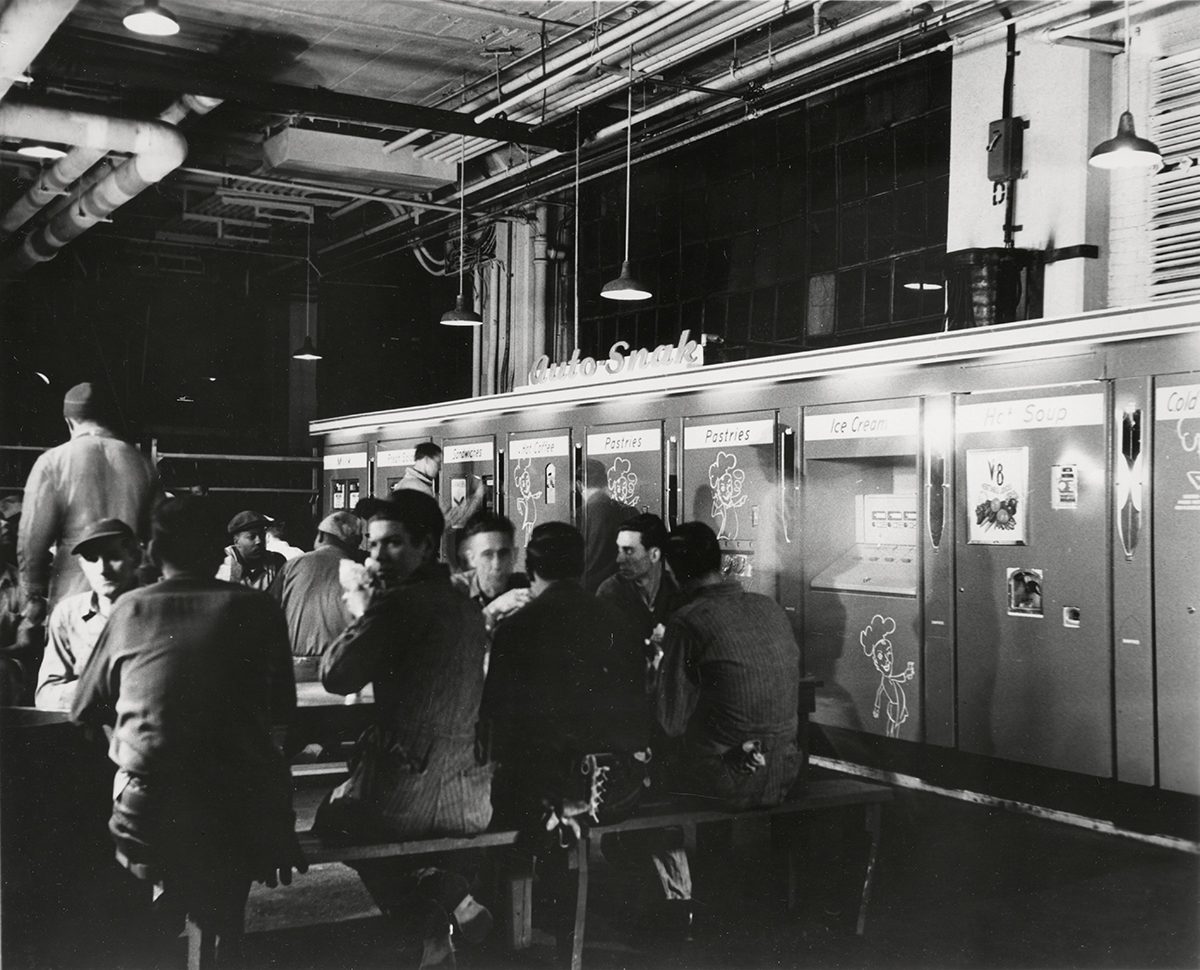
It all began with two strangers: Davre Davidson and Bill Fishman. They had never met and knew nothing about each other’s ventures. Both were owners of small peanut vending businesses. However, one day, their paths serendipitously crossed.
Each man was striving to expand and improve the traditional peanut vending trade. Davidson began relocating his vending machines from familiar spots like drugstores, bowling alleys, and restaurants to factories and offices, all while operating in sunny Los Angeles. Meanwhile, Fishman, based in Chicago, decided to transform his personal vending activities from a hobby and side hustle into a full-fledged food service enterprise.
In Santa Monica and Chicago, the Douglas Aircraft company was looking for businesses to help service their plants. And, as fate would have it, the contractors who won this deal were none other than Davidson and Fishman. That’s where the two entrepreneurs finally met.
The Idea to Merge
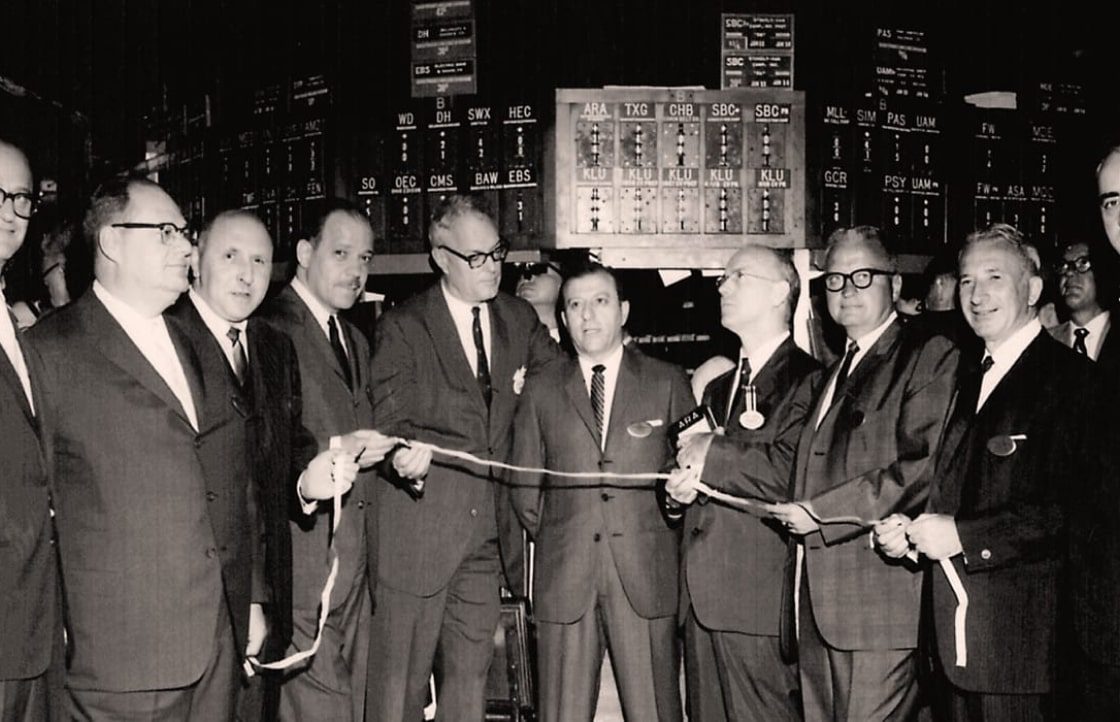
The next few years after their initial meeting were spent discussing their shared ambition to provide food services. However, success didn’t come immediately. Initially, they faced setbacks trying to secure subcontracts with catering companies. Ultimately, Davidson and Fishman decided to join forces in 1959. This pivotal decision led to the creation of “Automatic Retailers of America, Inc.”
The new company quickly gained momentum, generating an impressive $24 million in its first year. The leaders wasted no time in seizing growth opportunities, almost immediately expanding through acquisitions of other businesses. Between 1959 and 1964 alone, the newly formed “Automatic Retailers of America, Inc.” acquired or merged with over 150 vending operations.
However, there’s always one pivotal event that shapes a company’s future more than any other. For Davidson and Fishman, that moment was the acquisition of “Slater Systems, Inc.” This company was the largest food service enterprise in the U.S., significantly bolstering “ARA’s” influence in the catering sector and solidifying its strong position in the institutional markets of colleges and universities.
Company Expansion
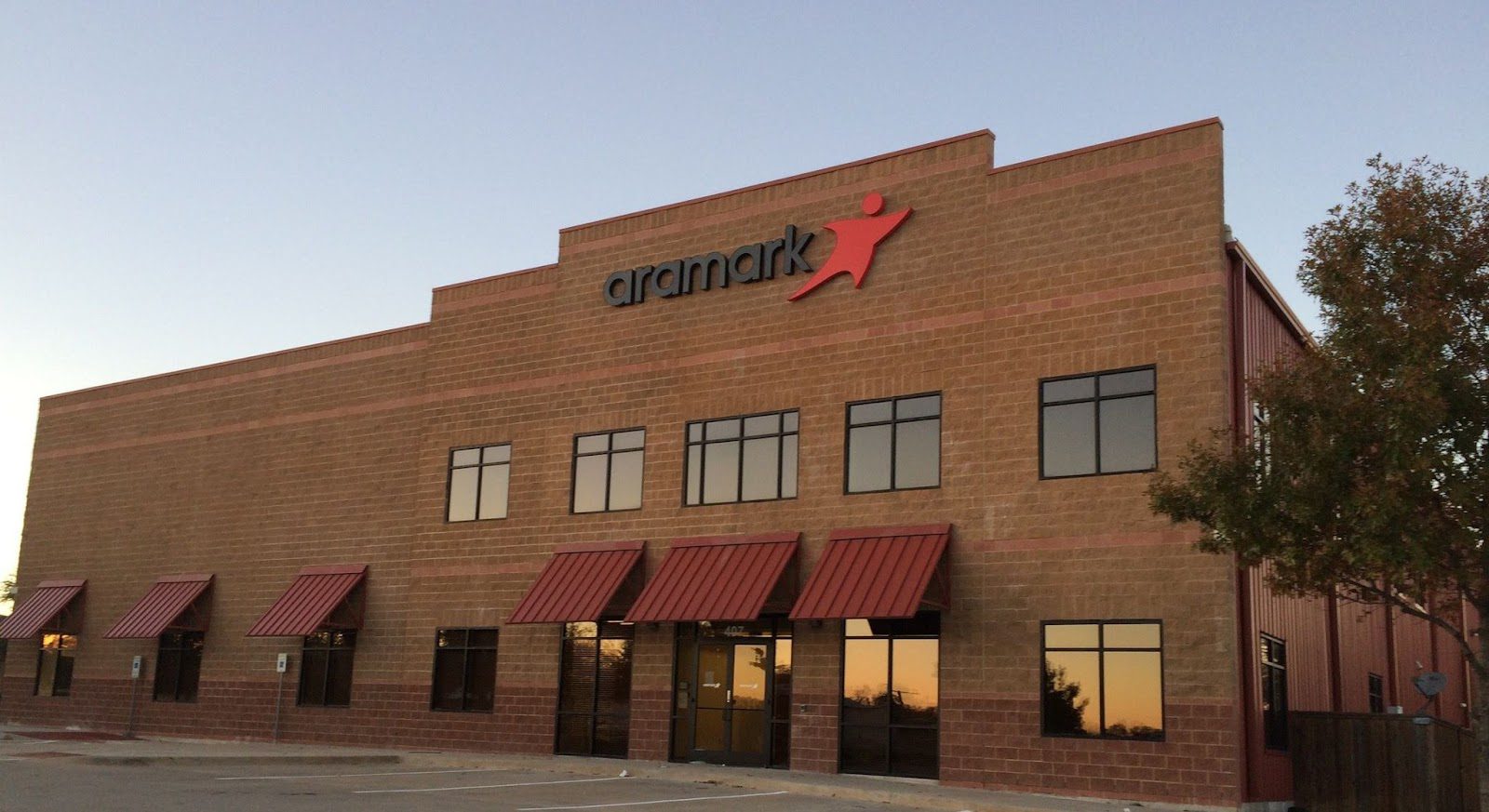
In the early 1900s, “ARA” spearheaded the trend of expansion within the food service industry. While there were many companies in the market, Davidson and Fishman were the true pioneers of this movement.
By 1964, the rapidly growing company had an impressive 95,000 vending machines under its belt. Through these machines, the entrepreneurs sold freshly brewed coffee, hot soup, sandwiches, snacks, and more. But despite this, “ARA” also boasted 750 cafeterias and other self-service locations. All these offerings made daily life easier for countless individuals. Thanks to the sheer volume of operations the company handled, its total revenue soared to over $200 million.
Too Much Too Soon? Rapid Growth Sparks Scrutiny
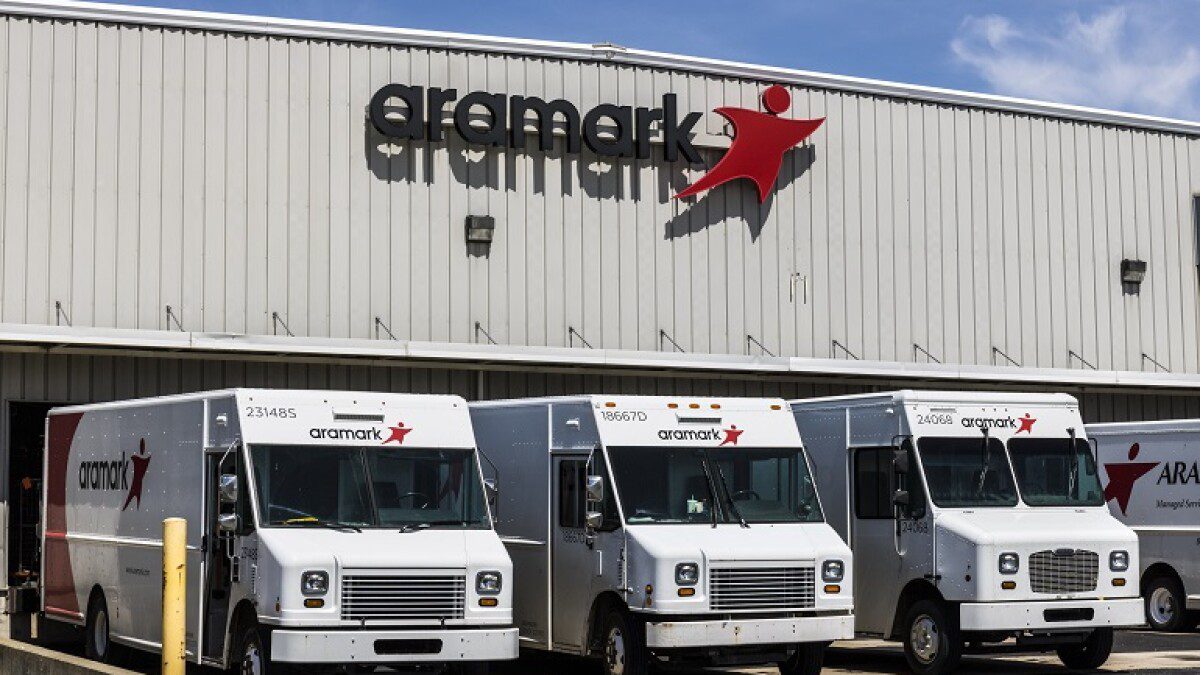
Aramark’s rapid dominance in the vending machine industry led to a demand from the Federal Trade Commission (FTC) in 1964 to divest some of its companies. Despite this setback, the company continued to gain momentum.
The entrepreneurs created new divisions to manage resorts, sports parks, and amusement parks. They also acquired “Air La Carte, Inc.,” a private company specializing in in-flight catering. This acquisition allowed them to serve over 20 domestic and international airlines.
Even while conquering the heights of the food service industry, “ARA” ventured into periodical distribution. The company achieved this remarkable expansion by purchasing 39 local distributors. The sheer number of acquired businesses is impressive, considering the entrepreneurs achieved such growth in approximately four years—a feat not possible for everyone.
However, Davidson and Fishman’s joy from their expansion into vending was short-lived, as legal troubles once again loomed. In 1973, the entrepreneurs were ordered by the courts to cease certain types of sales in the book sector, specifically softcover literature and periodicals. The men were also forced to divest a portion of their vending business, an area they had spent years expanding. All this transpired because business opponents accused them of anti-competitive practices and of posing a monopolistic threat.
The court’s accusations severely damaged the company’s image. But these weren’t the only troubles brewing. A federal jury later indicted Aramark on charges of conspiracy, alleging they aimed to fix prices and illegally control clients.
Resilience in the Face of Adversity
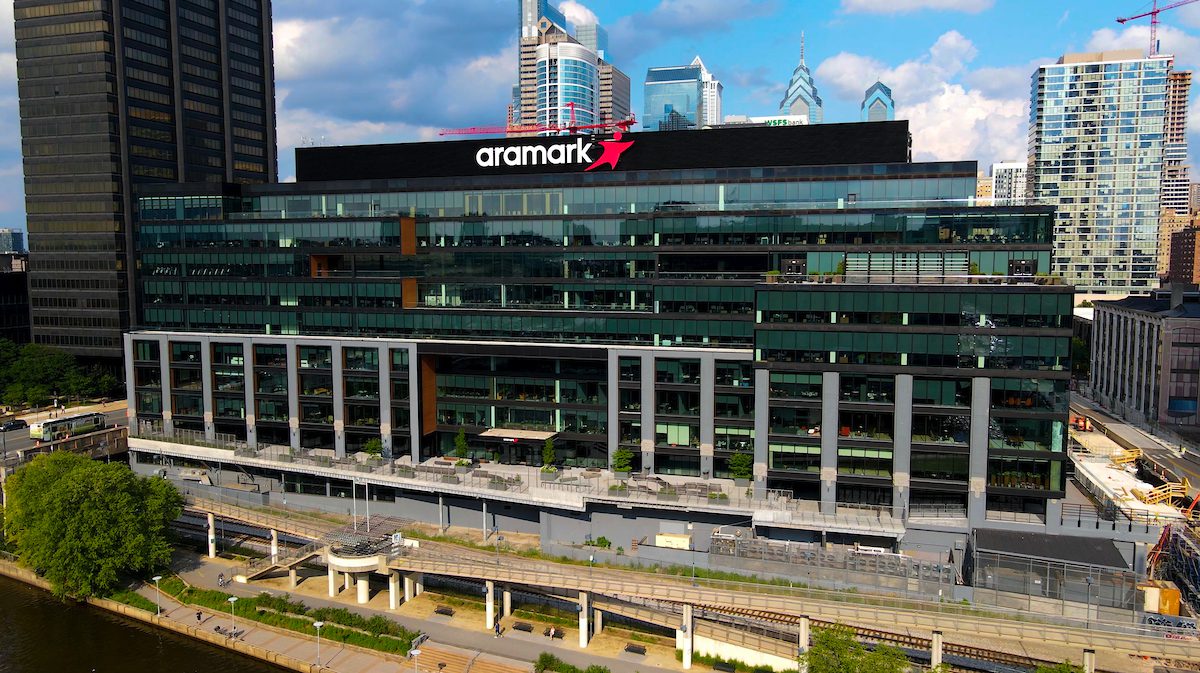
Despite all the challenges the company faced, it expanded its services to include student transportation, technical maintenance, and housekeeping.
Even as its influence in the vending industry grew, “ARA” continued to derive most of its revenue from food services. Analysts expressed surprise, as food prices were rising in the market, a trend that negatively impacted most companies in the same segment.
Year after year, “ARA” continued to grow, not just within the U.S. but also internationally. By 1979, the company managed 6,000 food service facilities located across the United Kingdom, France, and Germany.
By 1992, one of the largest enterprises boasted a revenue of $4.8 billion. Moreover, the company wasn’t just increasing its bank account; it was also improving its image, especially in the food service and entertainment industries.
Throughout its existence, the company has proven that with a collection of vending machines, you can indeed transform into a powerful and leading corporation. In recognition of this, in 1994, the enterprise unveiled a new logo and name, now universally recognized in the 21st century as “Aramark Corporation.” Yet, the company isn’t resting on its laurels; it continues to innovate and improve its business operations.