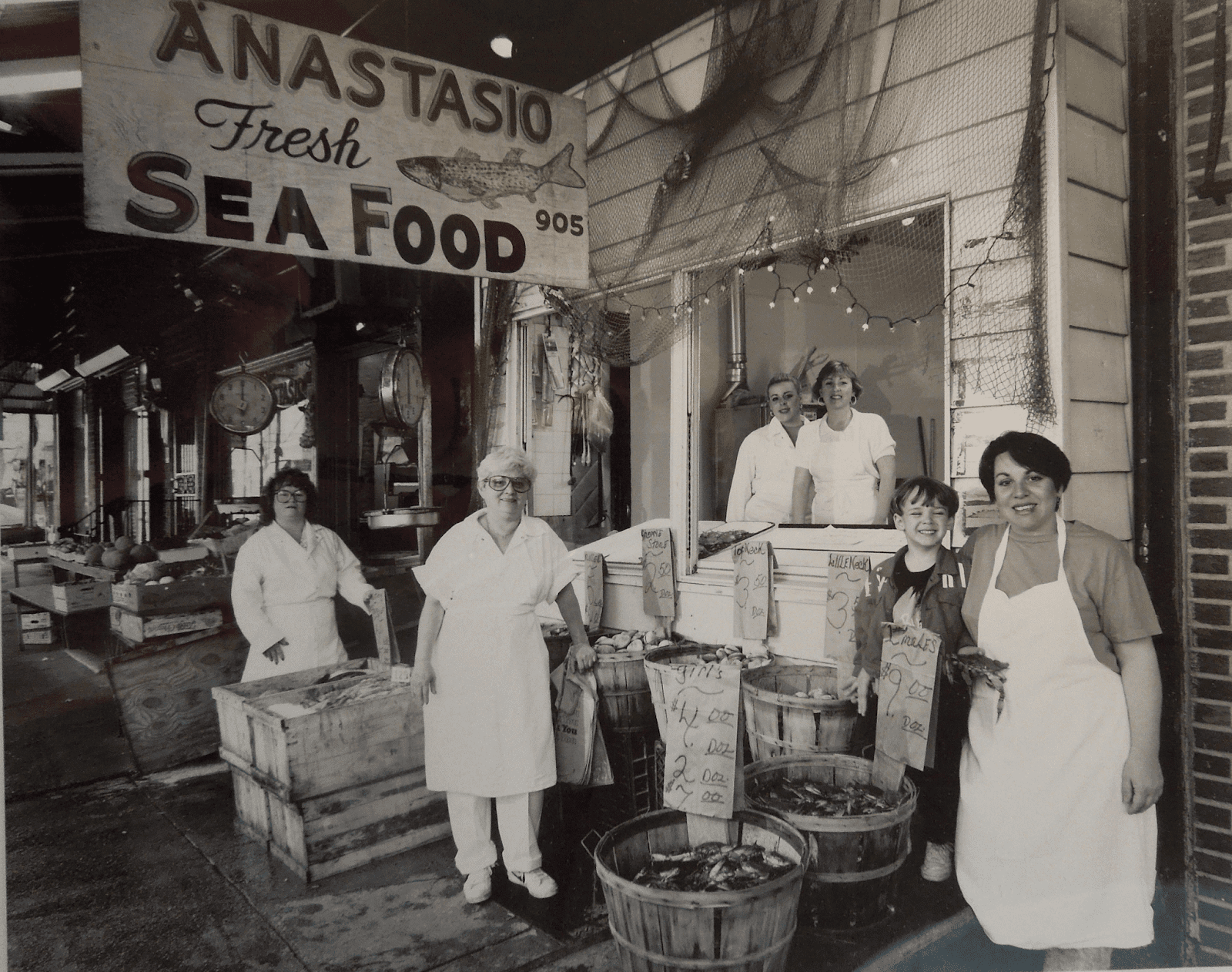
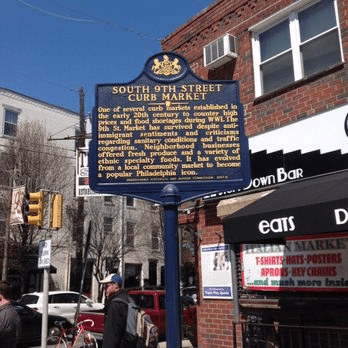
For locals, this spot is primarily known as a place where you can find “fairly priced” goods, fresh produce, catch up on the latest “news” straight from the source, and so much more. Even those who’ve never set foot here likely know this bustling street market from the film about Philadelphia’s beloved boxer, “Rocky.” What else makes the Italian Market famous, and what’s its journey of establishment and growth? Read on to find out more at philadelphia1.one.
How It All Began
The history of the Italian Market, perhaps unsurprisingly, began with the arrival of Italian immigrants in South Philadelphia, the City of Brotherly Love. These newcomers settled on 9th Street, a place that, coincidentally, had once been home to other European immigrants.
By the early twentieth century, business was already booming here. New enterprises were popping up, residents were constructing buildings, and they actively encouraged people to visit their establishments and buy their products. Alongside its commercial vitality, the district became a vibrant cultural, architectural, and, of course, a social hub where people from various countries lived and worked.
During World War I, local American and Italian entrepreneurs established the “South 9th Street Businessmen’s Association.” These local enthusiasts aimed to consolidate businesses on 9th Street and, with the support of the Philadelphia government, develop the commercial district. City officials cooperated with the association because “unauthorized vendors” on the city streets often became an additional burden for Philadelphia’s law enforcement.
From 1915 onwards, boundaries were clearly defined, and commercial activity on 9th Street was officially permitted. This decision proved to be incredibly successful, as it allowed residents to purchase a wide variety of fresh produce and goods annually. New importers emerged, small American businesses thrived, and shoppers embraced the evolving culture of “strolling” through the Italian Market.
Growth and the Modern Era
Before World War II, Philadelphians commonly referred to the area as the “Italian Market,” despite the entrepreneurial triumph of various vendors on 9th Street. Italian businesses, however, had the best advertising among all the street vendors, and their national dishes—such as hoagies, pizza, Italian ice, and other pastries—were incredibly popular with the locals.
The second half of the twentieth century in the Italian Market’s history is notable for the rise of competition from Asian immigrants. Many Italian families moved away, creating new job opportunities that were filled by, among others, Koreans and Chinese. These new arrivals brought authentic goods from their native cultures to Philadelphia’s commercial hub.
In the early twenty-first century, a Philadelphia construction organization designated the city’s South district, including the Italian Market, as blighted. In 2006, renovation work began on the historic structures. As a result of the reconstruction, modern infrastructure appeared for the first time in a long while, sanitation improved, and merchant shops were revitalized. A symbolic monument was also erected in honor of the market’s inaugural entrepreneurs, who were there at its very beginning.
Even today, city dwellers love visiting this historic commercial spot, where they can purchase ethnic foods, enjoy street festivals, and interact with colorful characters. These aspects are what draw tourists to the Italian Market like a magnet. Perhaps, too, they simply want to retrace the steps of the “Rocky” film character, as scenes were shot here depicting the local boxer running through the market in the mornings, finishing his run on the legendary steps bearing the same name.
Drexel University in Philadelphia is a private research university, founded through the initiative of financier and philanthropist Anthony Joseph Drexel....
The development of the postal service in the United States is deeply connected to Philadelphia. It was here that the Second Continental Congress brought...
The United States established its own national monetary system in 1792. Before that, foreign coins, various currencies, and money issued by individual states were...
The work of renowned philanthropist Andrew Carnegie fundamentally transformed access to knowledge in the United States. In the late 19th century, Carnegie launched his...