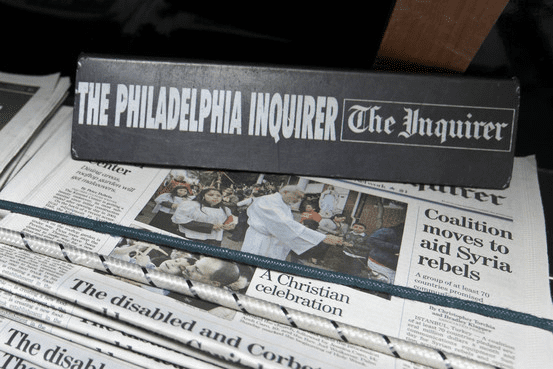
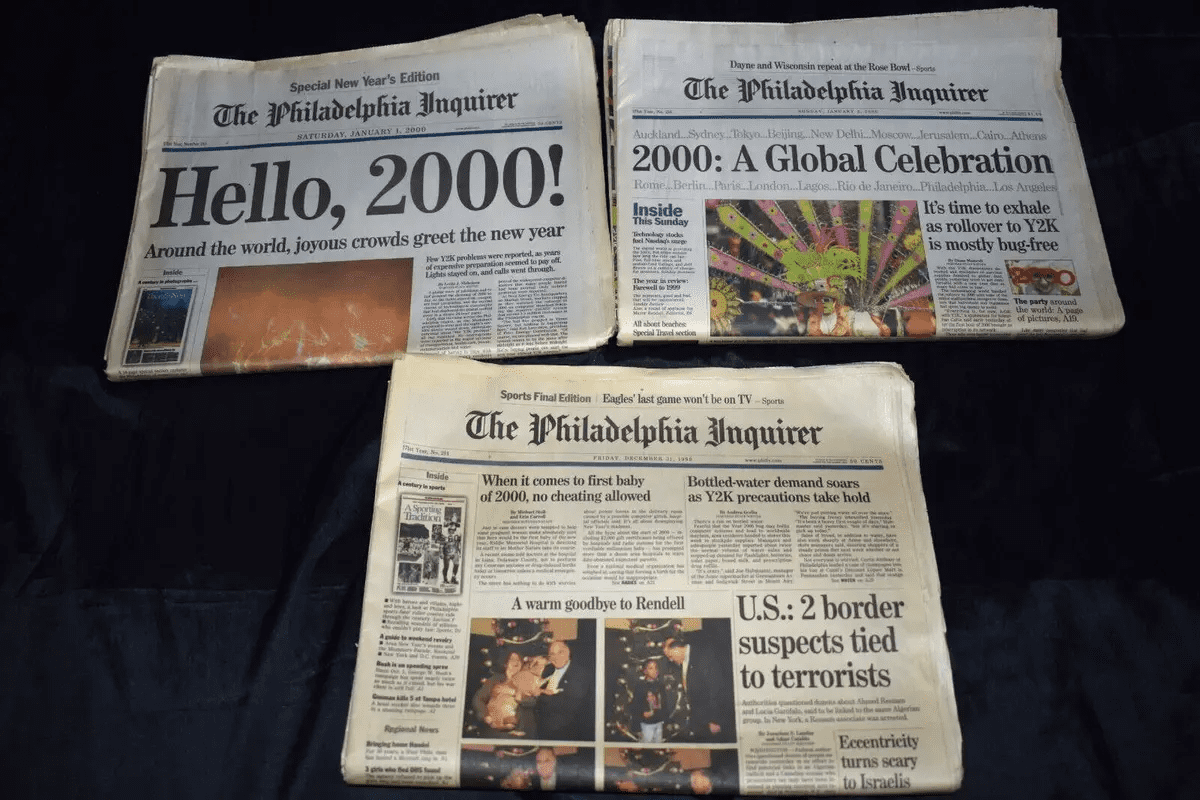
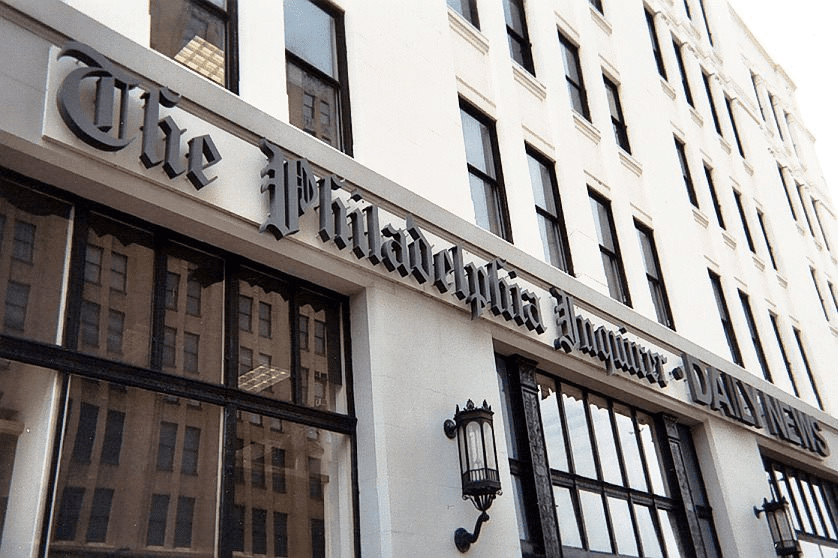
This publication is one of the oldest in the U.S. to originate from the City of Brotherly Love. It was founded by two American enthusiasts who aimed to champion democratic press, not just in their city but across the globe. Delve deeper into the purpose and journey of this local newspaper through different eras: its beginnings, evolution, modern period, and accolades. Read more at philadelphia1.one.
Founding and Early Days
The story of The Philadelphia Inquirer began in the first half of the nineteenth century, thanks to John Walker and John Norvell, former editors of the City of Brotherly Love’s largest periodical at the time, the Aurora & Gazette. Both shared an ambitious goal: to create a news outlet that upheld democratic principles. The journalists wanted to give a voice to all segments of the city’s population, so that “everyone would hear everyone.” However, Walker and Norvell’s “Napoleonic plans” couldn’t withstand the competition from more established newspapers in the market, forcing them to offload their unprofitable venture.
The newspaper, then known as “The Pennsylvania Inquirer,” found a new owner in Jesper Harding. He initially made headlines by publishing news at midday before reverting to the familiar morning format. He also moved the paper’s headquarters several times within the city before finally settling at Third Street and Carter’s Alley, where he himself had previously resided.
Later, Harding expanded the paper’s coverage, notably focusing on culture, including works by literary giants of the era like Dickens. Over time, this strategy allowed the paper to outcompete local rivals.
After Jesper Harding retired, his son, William Harding, took the helm. The younger Harding continued his father’s legacy, notably by establishing the paper’s modern name: “The Philadelphia Inquirer.” During William Harding’s tenure, the periodical’s circulation soared from seven thousand to seventy thousand copies. Some experts attribute this success primarily to the low cost of paper and the introduction of street sales for newspapers. Others believe the truth lies in the historical context of the period, as the unfolding Civil War in America created a massive demand among the populace for fresh updates on the nation’s latest events.
During the war, the Philadelphia newspaper supported the Union, even though its owners initially aimed to maintain a neutral stance. However, they famously declared: “in this war, there can be only two sides—patriots and traitors.”
The paper’s first war reporters gained experience in some of the most crucial battles in U.S. history, delivering fresh information about events on the front lines. Even through turbulent times, the newspaper managed to adapt and grow. However, in the post-war period, William Harding passed away due to illness, plunging the paper into a financial crisis.
At the end of the nineteenth century, the newspaper found a new backer in James Elverson. The entrepreneur began rebuilding the brand from scratch, moving the periodical to a new office. There, employees gained access to cutting-edge equipment that significantly accelerated the workflow. On the first day of spring in 1890, the revamped debut issue was released, immediately garnering positive feedback from readers.
How the Publication Operated in the Twentieth Century
In 1911, the last owner of the newspaper from the City of Brotherly Love passed away, and following tradition, the periodical passed from father to son for the second time. James Jr. also decided to manage the family business from a new location, moving to Callowhill Street, now famously known as the “Inquirer Building.”
Long after the end of World War I, the first issue of the newspaper under James Elverson Jr.’s tenure was printed. And when he passed away, the local publication was, for the first time, managed by a woman: Mrs. Jules Paternoster. Under her leadership, the family business reduced its expenses, and after some time, it was put up for sale.
During the Great Depression, Mr. John Martin owned the news enterprise. He consolidated two periodicals into one company. However, despite lingering debts, the newspaper eventually returned to the Paternoster family’s hands.
The pre-war years in the newspaper’s history were marked by a decline in the Philadelphia periodical market. The publication lost out to “The Philadelphia Record,” which at the time had become the most popular in the state.
After World War II, the publication remained the only one in our city issuing morning news. And the next twenty years of the newspaper’s existence were best described by “Time” magazine as “unimaginative and inconspicuous.” This era is also remembered for the merger of the local publication with others into a single corporation, “Knight Ridder.” The paper from our city was then led by executive editor Eugene Roberts Jr. The newspaperman successfully restored the information brand’s former glory, winning a number of awards and prizes in the twentieth century.
In the late nineties, most American periodicals faced an economic crisis, including the Philadelphia newspaper. However, as local journalists later noted, the corporation pressured “The Inquirer’s” editors, reducing staff and cutting back on advertising. As a result, many journalists left the newspaper, and new hires lacked the experience to quickly replace the seasoned professionals.
What Happened Next and the Modern Era?
With the dawn of the twenty-first century, the periodical’s leadership decided to embrace convergence, building a modern media outlet to avoid losing readers to competitors across all possible platforms.
Nine years later, the Philadelphia news enterprise faced entirely different, ambitious tasks: getting out of debt. Resolving the financial issues wasn’t immediate, and certainly not peaceful, but by the fall of 2012, the “dramatic comedy” concluded with the news organization coming under the protection of “Philadelphia Media Network.”
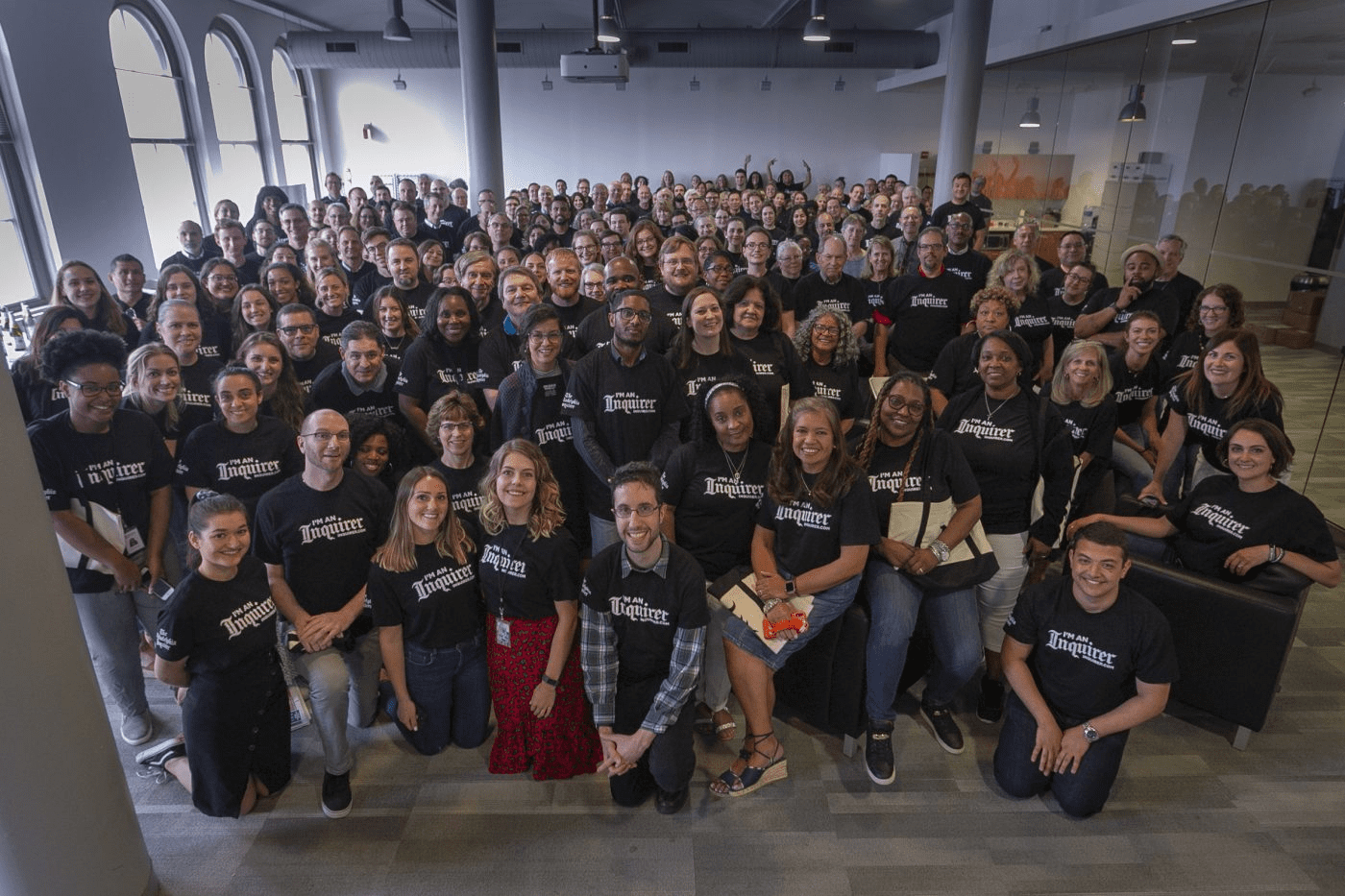
In the following years, the editorial office once again operated from a new location in Philadelphia and boasted a staff of over seven hundred employees. Most of them are natives of the City of Brotherly Love, professional journalists who are passionate about their life’s work.
During the rise of the coronavirus, the newspaper faced new challenges, while the aforementioned company’s other media outlets and social networks saw a rapid surge in readership. Record figures were achieved by an article about the murder of George Floyd and the American protests. Though at the time, journalists had to apologize to the audience for the article’s headline, which, in the readers’ opinion, conveyed a radical stance regarding white citizens in our country. However, the media company later acknowledged its impartiality in the racism scandal.
Awards and the Modern Editorial Staff
As of 2023, one of the oldest periodicals on the American continent continues to be published daily. Enthusiasts still keep asking “why” to those in power and to ordinary people alike. They cover information about their hometown on various topics, including economy, politics, culture, sports, fashion, and more. Today, they are based in the heart of the City of Brotherly Love, with the printing press located not far from Philadelphia itself.
At “The Inquirer,” numerous professionals work tirelessly to ensure that city residents and readers from other communities are the first to learn all the latest news. Overseeing all of this are Publisher Elizabeth Hughes and Editor-in-Chief Gabriel Escobar. Managing editors here include Charlotte Sutton, Patrick Kerkstra, Richard Johnson, and others. Overall, according to data from winter 2021, over fifty percent of the staff are male, and more than forty-five percent are female.
The regional newspaper’s editorial team produced many works that captivated not only natives of our region but also people from other cities across the country and even abroad. For instance, a series of works between 1975 and 1980—journalistic pieces from “The Inquirer”—triumphed in the Pulitzer Prize. In total, the journalists of the Philadelphia publication have earned fourteen awards from the aforementioned organization to date.
In 2021, American media experts published a ranking of the hundred best contemporary newspapers in the country. The publication from our city made it into the top twenty, securing seventeenth place.
The development of the postal service in the United States is deeply connected to Philadelphia. It was here that the Second Continental Congress brought...
The United States established its own national monetary system in 1792. Before that, foreign coins, various currencies, and money issued by individual states were...
The work of renowned philanthropist Andrew Carnegie fundamentally transformed access to knowledge in the United States. In the late 19th century, Carnegie launched his...