

Oil extraction in the United States, particularly in our region, progressed rapidly in the nineteenth century. This era is marked by the dominance of businessman John Rockefeller and Edwin Drake. The latter owned one of the largest oil refining companies in the aforementioned state. The Philadelphia Energy plant played a key role in Drake’s business at that time. For more details about the history of the factory, including when it was established, the features of its development and its current condition, read at philadelphia1.one.
History of emergence and development
Philadelphia Energy Solutions was officially registered in 1929. However, the oil refinery began operations in 1870. During that time, just as today, the industrial facility was located on the banks of the Schuylkill River.
In the nineteenth century, before the advent of railroads, rivers were the primary logistical routes for any enterprise. This is why Philadelphia Energy was built near the current “natural highway.” Additionally, the industrial facility had to be located close to water to operate properly.
Over time, the number of oil storage tanks grew from a few to three thousand. Thanks to such a large reserve, Philadelphia Energy Solutions was ahead of other competitors in the local market for a long time. However, at the beginning of the twentieth century, entrepreneur Joseph Pugh and his colleagues founded Sun Oil in Philadelphia.
The Marcus Hook Refinery, located near Philadelphia in Delaware County, mostly focused on processing and reselling Texas crude oil. Pugh’s company did not want to spend money on Rockefeller’s railroads, so they delivered oil via coastal tankers.
The ships of the main competitor of the nineteenth century, Philadelphia Energy Solutions, literally passed by the plant of the aforementioned company.
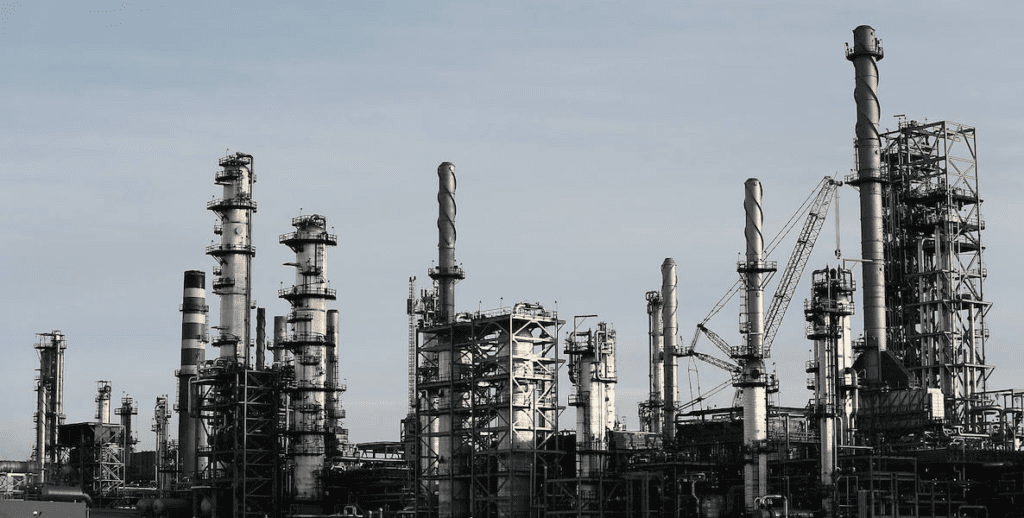
What fate befell this industrial facility?
The Philadelphia refinery continued to operate in the twenty-first century, although it suffered significant losses due to production issues of the old industrial building. Nevertheless, this did not affect its capacity to process over three hundred thirty-five million barrels of crude oil per day. This, in turn, made the facility from Philadelphia the largest complex of its kind on the East Coast and the tenth-largest refinery in the United States.
Philadelphia Energy Solutions served nearly two million electricity and over four hundred million natural gas consumers. Under franchise, its service area covered two thousand one hundred square miles.
On the other hand, the industrial facility often became a source of disputes and criticism from environmental institutions. Many Philadelphians did not like that the plant regularly discharged chemicals into the ground, which subsequently washed into the local Schuylkill River.
At the same time, oil business owners argued with environmental activists. They said that without oil, the American economy would be like it was during the Great Depression.
In the summer of 2019, the fate of the plant in Philadelphia was unexpectedly sealed. It closed due to a massive fire at the Philadelphia Energy Solutions unit.
The Philadelphia refinery was initially owned by Atlantic Richfield, then it was transferred to Sunoco, which, in turn, sold it to the Carlyle Group. The latter bore all the responsibility and costs for cleanup after the explosion at the plant.