

Every person needs support in their endeavors. However, not everyone is lucky to have a mentor, which can lead to two paths: disappointment or proving to oneself and others that anything is achievable. Eldridge Johnson became a well-known businessman and engineer who was once told he was too stupid for college. This prompted him to choose the second path for his life. He proved that he could reach great heights without the support of close people. Read more at philadelphia1.one.
Johnson’s early years
On February 6, 1867, Wilmington, Delaware, welcomed another individual into its population, Eldridge Reeves Johnson. This boy was born to Asa and Caroline Johnson. Unfortunately, family composition soon changed dramatically.
As a newborn, the boy lost his closest and dearest person, his mother. In 1869, after her death, he was forced to move to his aunt and her husband. The child was not tramatized by it, as he did not yet understand what was happening. Moreover, the new home was surrounded by nature and animals, as it was a farm in northern Kent County.
Later, Eldridge’s father found love again and remarried. At the age of 10, the boy moved to Dover, where his family’s home was located. The move was hard, but from that time on, he lived with his father.
Education
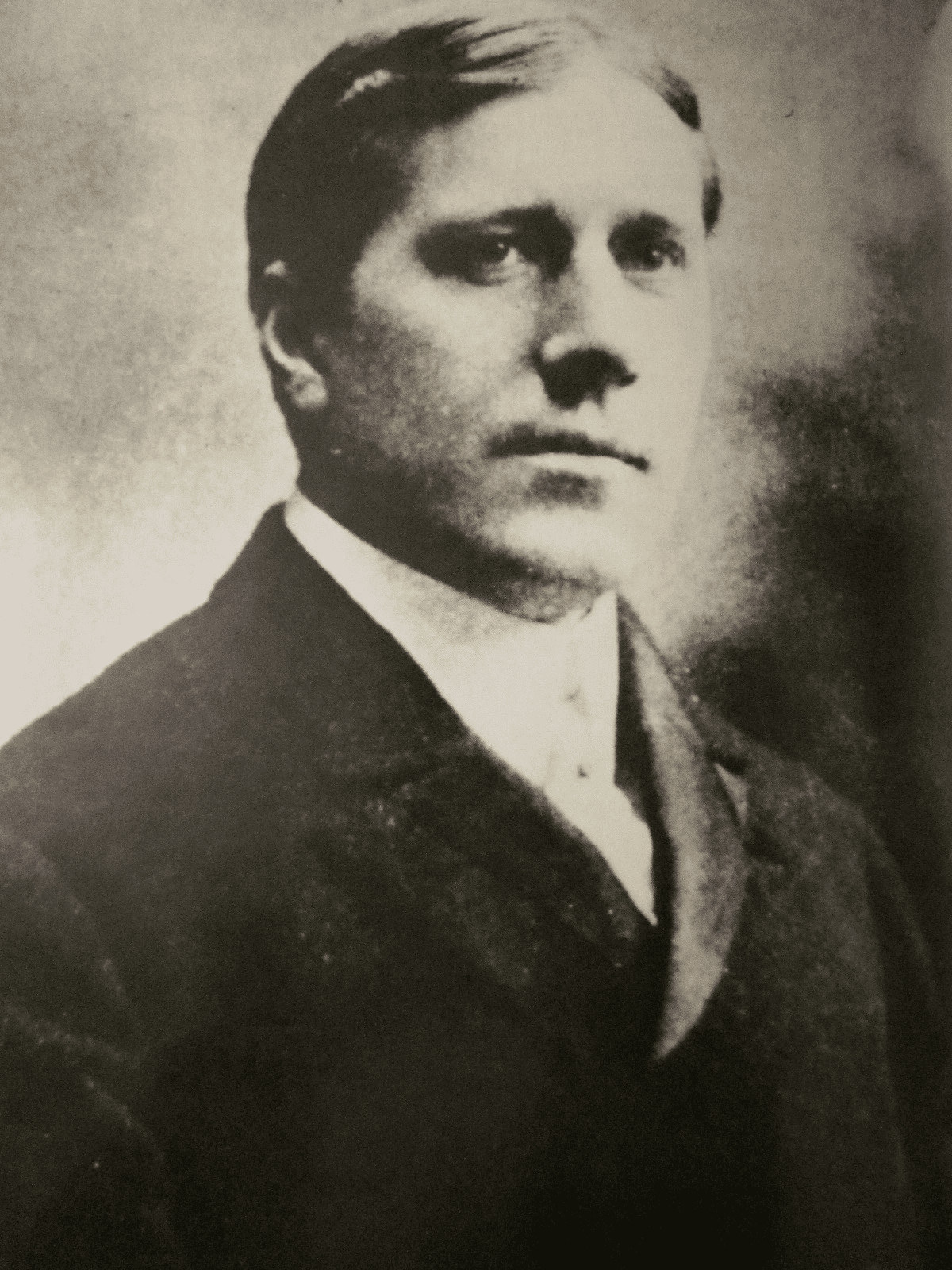
Eldridge Johnson attended the Delaware Academy. He hoped to enter college, but it was incredibly difficult to call him a good and diligent student. However, the words of the principal that the 15-year-old boy heard right after graduation, cannot be justified. That day, he was told that he was too stupid to go to college and was advised to learn a trade.
It is unknown how much the principal’s words affected and hurt Johnson, but following the conversation, in 1883, the boy became an apprentice at the machine repair shop J. Lodge & Son. Eldridge was forced to move because it was located in Philadelphia.
In 1888, Johnson successfully completed his apprenticeship. Due to his perseverance at work, he was employed as a mechanic at the new machine shop Skull. The workplace was picturesque, as the building was located on the banks of the Delaware River in Camden, New Jersey.
The story of the shop’s opening and subsequent development was quite unusual. John Warwick Skull, the founder, received a degree in mechanical engineering from Lehigh University. His father helped him finance his business, which involved purchasing the building. The man successfully established his workshop, where Eldridge later began working. But later that same year, John Skull suddenly passed away. Consequently, Johnson became not only a craftsman but also the manager of the workshop, and the father of the deceased remained in charge.
Searching for destiny and a new company
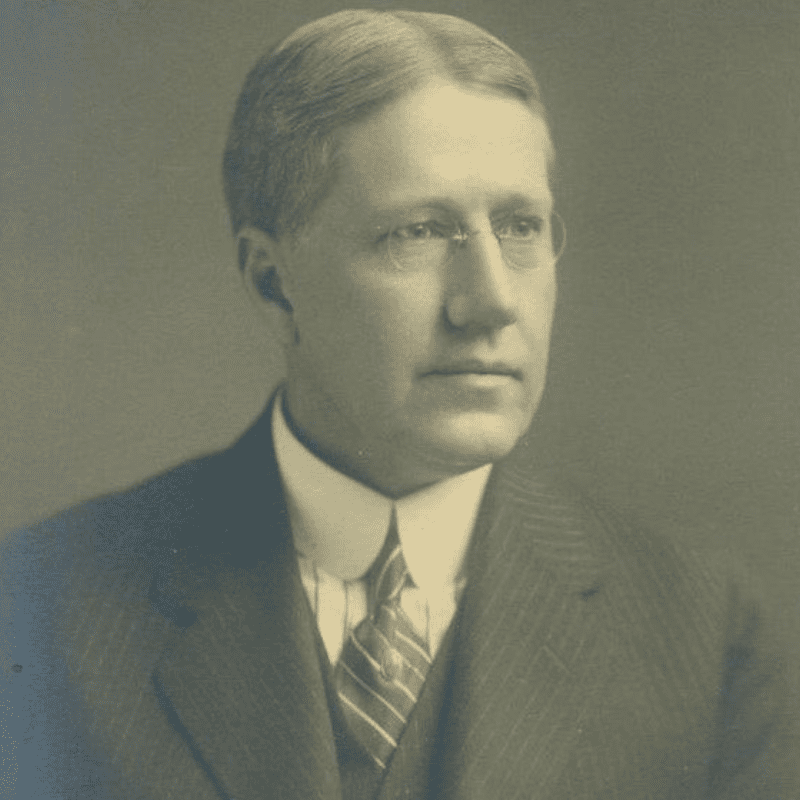
For a certain period, Eldridge worked on developing a bookbinding machine. But soon after completing his project, he decided to travel westward. The man wanted to find his destiny and purpose in life, hoping it would captivate him once and for all.
In search of his goal, he traveled all the way to Washington State. However, what he found there did not meet his expectations, as the work he was doing was manual labor. In 1891, the man decided to return to his creative path and went back to Philadelphia.
During Johnson’s absence, Skull, who at that time owned the workshop, could not find a buyer for the bookbinding machine. So the owner offered him to become business partners. Eldridge bought out Skull’s share in 1894. Thus, a new company appeared, under the name Eldridge R. Johnson Manufacturing Company.
The enterprise began producing wire stitching and binding machines. The company also expanded its activities and did various jobbings related to steam models and machine refurbishing.
One day, a client named Henry Whitaker brought a hand-operated Berliner Gramophone to the workshop. The man requested to design a spring-driven motor for it. This task was new and challenging for Eldridge, but he coped with his work and gave the finished record player to the client. However, Whitaker did not like the result.
Eldridge Johnson’s passion
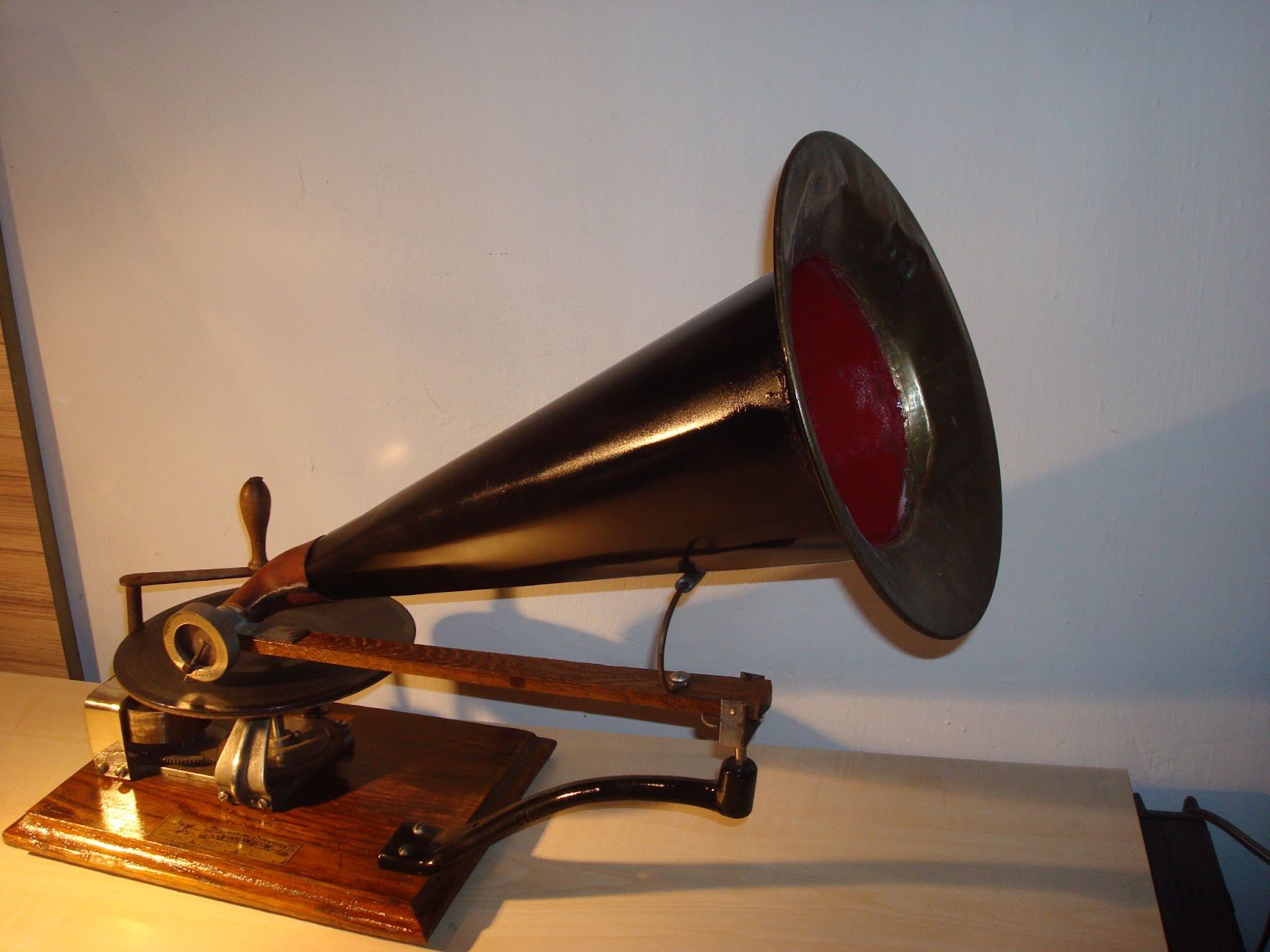
After working with the gramophone, Eldridge was immediately fascinated by it. Later, he wrote that the small instrument was poorly designed. It sounded like an uneducated parrot with a sore throat and a cold. But the gramophone captured his attention and held it for a very long time. Nothing had intrigued Eldridge as much as this instrument. The instrument turned out to be exactly what he had been searching for in his travels. It turned out that one doesn’t always need to go far to find something that will determine their destiny.
In 1895, Eldridge was recommended to the Berliner Gramophone company. This was the very company that produced the instrument that captivated him once. They planned to hire Eldridge as a developer of a spring-driven motor. Essentially, he had to perform the work that one of his clients had previously been dissatisfied with. Still, the representatives of the company were incredibly pleased with his design, and within a year, he began personally manufacturing motors for them.
Johnson continued to work tirelessly. He kept improving the motor, making it external and using a centrifugal governor design based on constant speed. Eldridge spent the entire winter in Philadelphia, collaborating with Alfred Clark on the enhancement of the gramophone. One of their most significant achievements was the improvement of the sound instrument. In 1897, this became the foundation for the improved Berliner Gramophone.
Around the same time, Eldridge Johnson began his experiments with the technology of recording and replicating records. He had long been dissatisfied with their sound and believed that he could develop a better recording and processing process.
While studying records under a microscope, Eldridge realized that the chemical etching process created random uneven grooves that scratched too much and produced noise when played. The man tried to eliminate this problem. He succeeded and developed an improved recording process, but mass production still remained challenging.
Johnson’s company and his future life
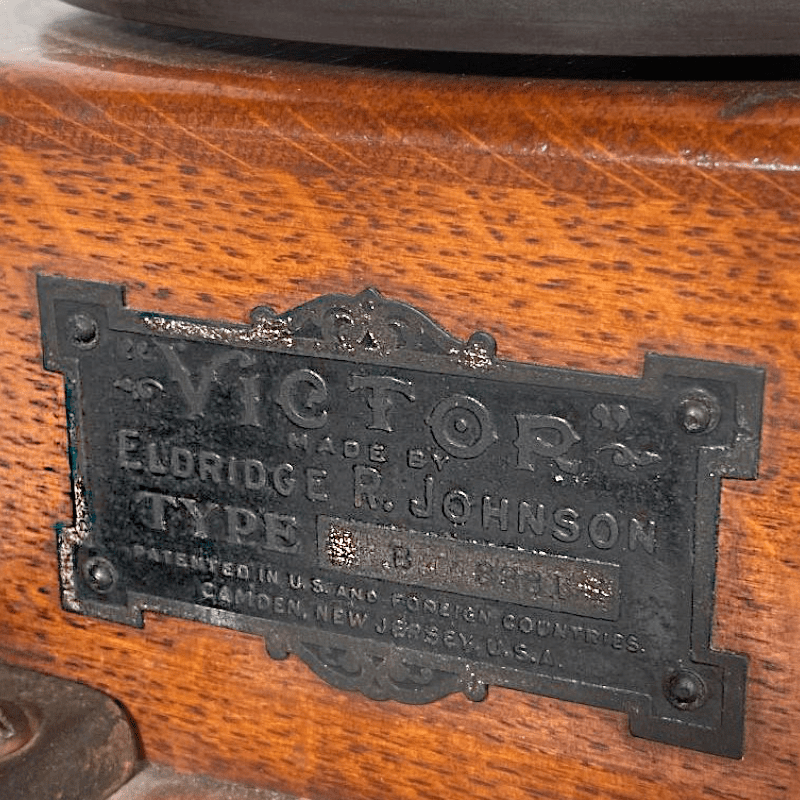
Two years later, having $50,000 in investment, Johnson hit the gramophone market. This event took place in 1900. Eldridge registered his new company under the name Consolidated Talking Machine Company of Philadelphia. Then he began selling records and various models of gramophones under this name.
However, this event led to a fierce legal battle. Frank Seaman sued Johnson in 1901. He aimed to get an injunction that would stop Eldridge from manufacturing gramophones. However, on March 1 of the same year, Seaman was refused, while Johnson was prohibited from using the word “gramophone” for a short period. The restrictions were lifted later. Eldridge decided not to wait for permission to use the name, so on March 12, he registered the trademark Victor.
Eldridge Johnson never intended to become an industrial magnate, but fate chose for him that path. In 1924, he experienced a nervous breakdown and did not know what to do with his trademark for a long time. Eventually, he began to think that he should sell his company and leave the business. In 1926, after many years of rejecting potential buyers, Johnson finally sold it for $40 million.
After decades of working on new inventions and forging his own path, Eldridge resigned as president of the company and withdrew from public life. On November 14, 1945, the entrepreneur, engineer and inventor passed away after several years of health issues.
Perhaps if Johnson had not been told that he was not smart enough to learn, he might never have found his calling. He could have become someone else, but fate made him a famous and influential figure, who received a Grammy Award posthumously in 1985. He made a great contribution to the field of sound recording and the history of mankind.