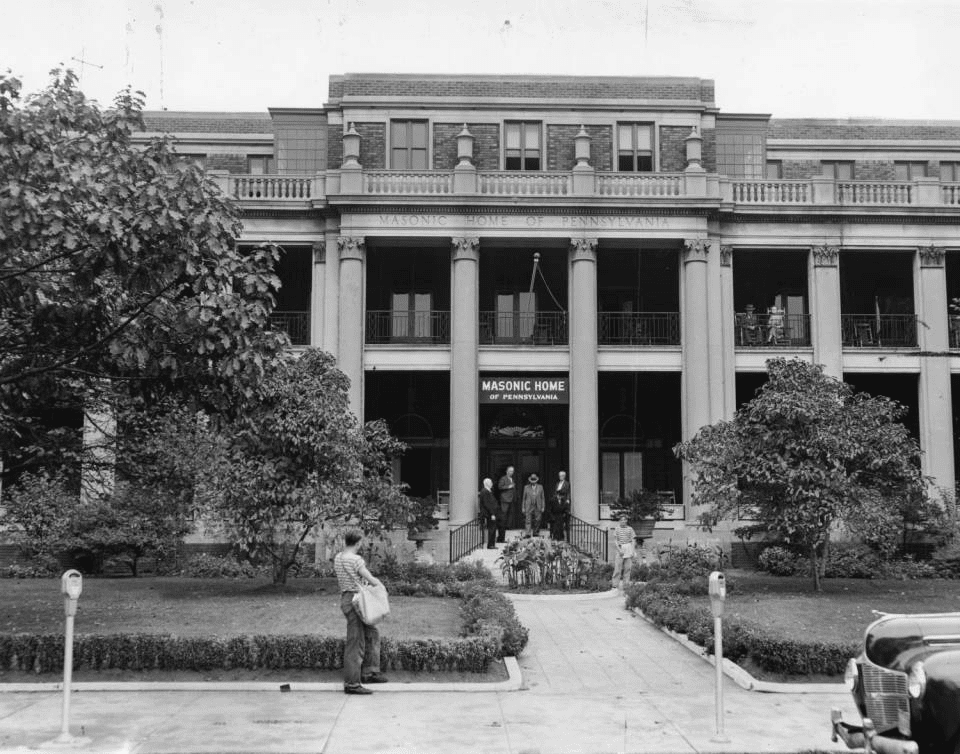
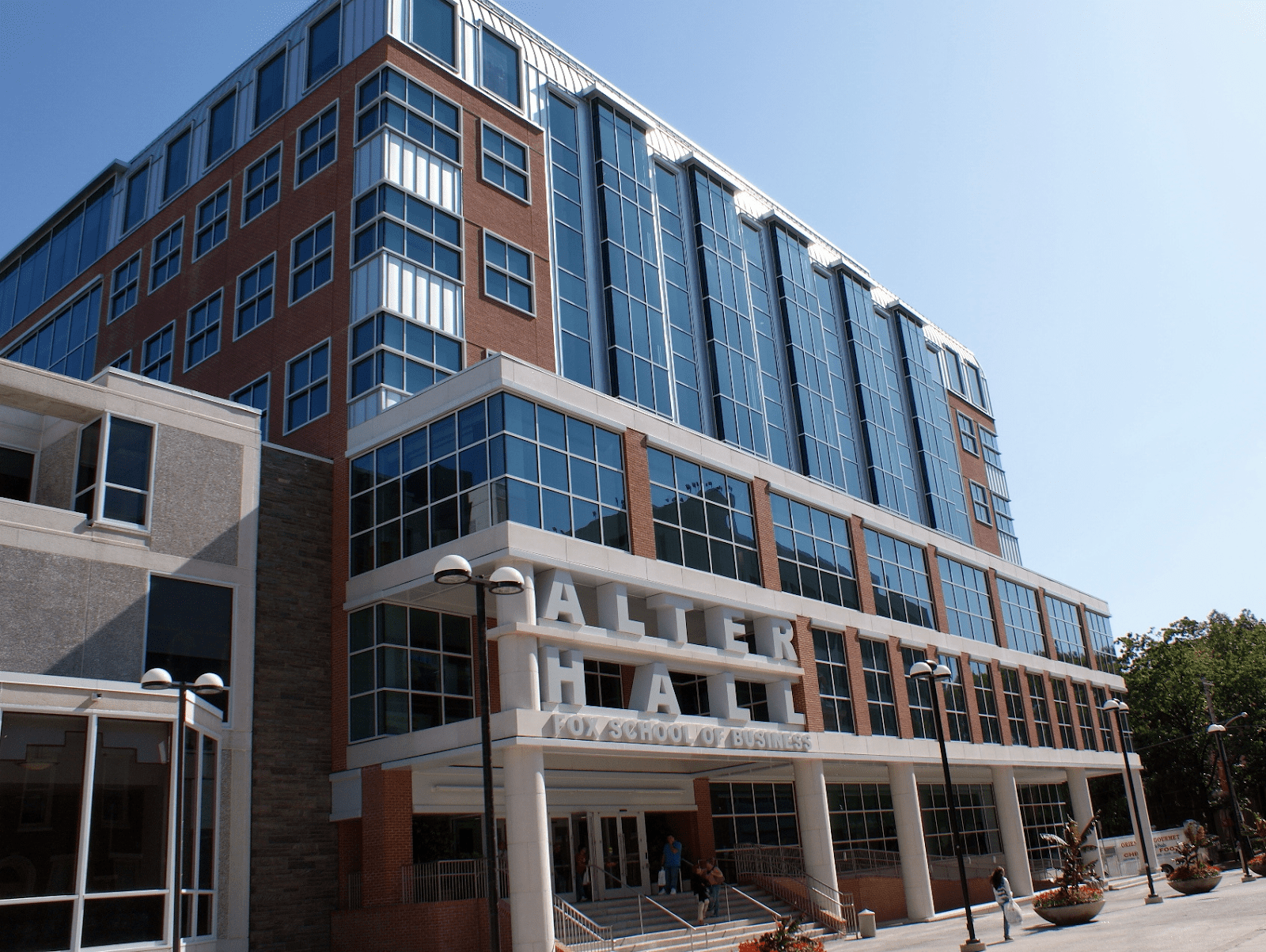
This renowned university in Philadelphia, America’s first capital, has educated generations of scholars. Today, it remains a dream school for countless applicants. Read on to learn more about the fascinating history of Temple University’s founding and growth at philadelphia1.one.
How the University Came to Be
It all started in the late 19th century with Reverend Russell Conwell. A Baptist minister, he established a church in Philadelphia and began offering night classes to working-class citizens. His goal was to help them gain literacy to improve their job prospects and read the Bible. This educational effort, born within a Baptist temple, would soon grow into something much larger.
Russell Conwell was chosen as the first president of The Temple College. The decision was made by the board of trustees, which was originally formed to manage the religious institution.
Initially, the institution survived solely on donations from compassionate city residents and the personal contributions of Conwell himself. Eventually, the local government began to support “The Temple College of Philadelphia,” although it was not yet authorized to grant academic degrees.
Growth and the Modern Era
By the early 20th century, the college enrolled about six hundred students and eventually earned official university status. With its growing reputation, the number of applicants increased annually, along with the quality of its faculty and academic programs.
In the latter half of the 20th century, the university’s leadership decided to expand, beginning construction on a sports complex and a parking lot. The chosen site was an area that had once been a cemetery. According to eyewitness accounts from the time, approximately 8,000 graves had to be exhumed. The remains were relocated to Philadelphia’s Lawnview Memorial Park. Incidentally, headstones left at the cemetery were reportedly used as fill material during the construction of the Betsy Ross Bridge.
Since 1965, Temple has been a state-related institution. This means it receives public funding from Pennsylvania but is still operated by its own independent board of trustees.
In recent years, the university has made headlines for the wrong reasons. In the fall of 2021, a former dean of the business school was accused of masterminding a scheme to provide false data to boost the university’s rankings. Then, early 2023 began with a high-profile strike by the graduate student union demanding a fair labor contract. The strike gained national media attention, and shortly thereafter, University President Jason Wingard resigned.
Today, Temple University comprises sixteen distinct schools, colleges, and faculties. It also features residence halls, sports teams, a comprehensive library, and modern infrastructure.
In addition to their studies, students can excel in a variety of sports, including football, basketball, baseball, golf, tennis, and fencing.
Notable alumni from one of the finest universities in the City of Brotherly Love include Danny Woodburn, Hage Geingob, Bill Cosby, Kunal Nayyar, Kim Rhodes, Jesse Williams, and Kevin Hart, among many others.
Drexel University in Philadelphia is a private research university, founded through the initiative of financier and philanthropist Anthony Joseph Drexel....
Drexel University in Philadelphia is a private research university, founded through the initiative of financier and philanthropist Anthony Joseph Drexel....
The development of the postal service in the United States is deeply connected to Philadelphia. It was here that the Second Continental Congress brought...
The United States established its own national monetary system in 1792. Before that, foreign coins, various currencies, and money issued by individual states were...
The work of renowned philanthropist Andrew Carnegie fundamentally transformed access to knowledge in the United States. In the late 19th century, Carnegie launched his...