

In the early 19th century, Philadelphia emerged as a pivotal pharmaceutical hub in the U.S. and held that position for years to come. The city’s first pharmacy was founded in 1729, and its first pharmaceutical manufacturing facility began operating in the 1810s. A wealth of educational, scientific, and medical institutions in Philadelphia fueled the growth of all aspects of pharmacy—from the discovery of new drugs to their production and sale. Learn more about the history of this industry at philadelphia1.one.
Philadelphia’s First Pharmacies and Drug Manufacturers
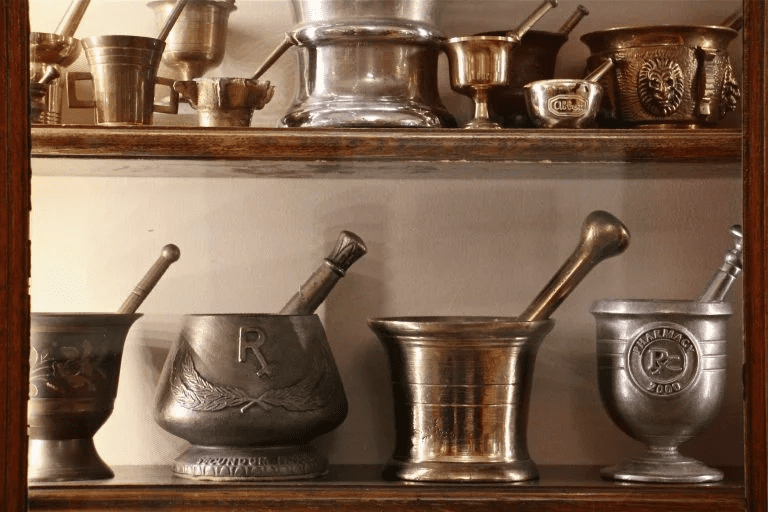
Irish immigrant Christopher Marshall established Philadelphia’s first pharmacy in 1729. It operated successfully for over 100 years, providing:
- retail sales of medications,
- in-house drug compounding,
- practical training for aspiring pharmacists.
Prior to the 19th century, pharmacists and doctors generally prepared their own medications, mostly simple recipes and powders. At the same time, a significant number of drugs were imported from England.
In 1752, the first city hospital opened in Philadelphia, and in 1777, the Continental Congress reorganized the Army Medical Department, appointing Andrew Craigie to head the pharmaceutical sector. Under his leadership, the procurement, production, and distribution of essential medicines ramped up. Dr. John Morgan, a prominent physician of the time, was also a strong proponent of domestic drug production.
The War of 1812 provided a powerful catalyst for the pharmaceutical industry. It halted drug supplies from England just as the demand for them was soaring. In response, Philadelphia’s pharmacists and chemists began to develop small-scale drug manufacturing operations. Some of these would eventually grow into major manufacturers.
One of the key figures in this field was Charles Hagner. He owned a water-powered mill in East Falls, and in 1812, he began using it to grind cream of tartar into a powder for local pharmacists. This was far more efficient than the traditional mortar and pestle used in pharmacies, and Hagner soon established the nation’s first pharmaceutical factory.
Growth of Pharmaceutical Manufacturing and Education
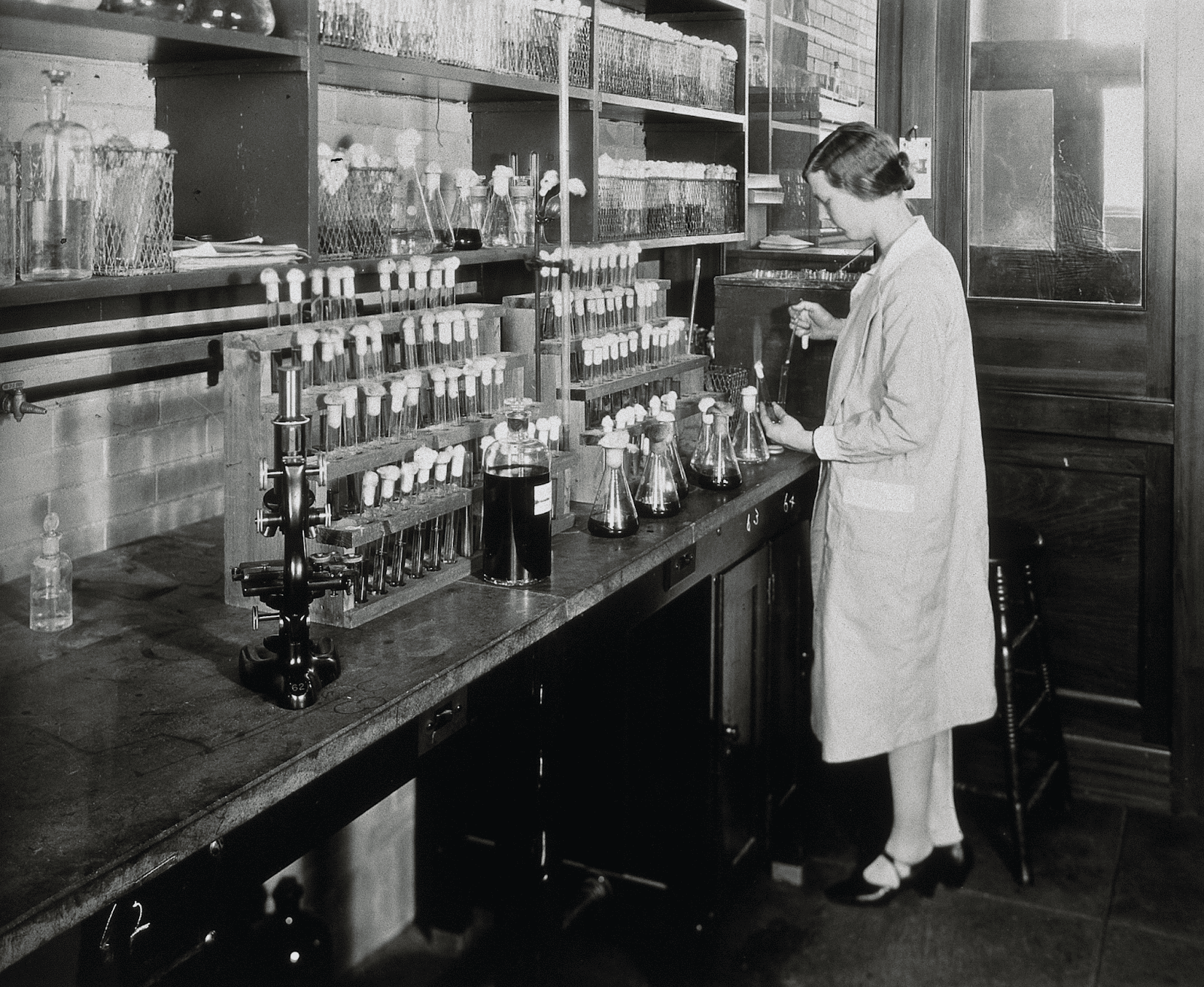
Philadelphia’s status as a pharmaceutical powerhouse was cemented in 1821 with the founding of the nation’s first college of pharmacy, which later became a university. This institution became a major scientific hub, and many of its graduates went on to become renowned figures in the field.
The city also saw an increase in the number of drug manufacturers:
- In 1818, English immigrants founded the company “Powers & Weightman,” while German immigrants started “Rosengarten & Sons” in 1822. They were the largest producers of quinine at the time, later expanding their product lines and merging in the early 20th century.
- “John Smith & Company” was founded in 1830, and “John Wyeth & Brother” began operating in 1860. Both became large and well-known pharmaceutical manufacturers.
- Robert Shoemaker took over a local pharmacy in 1837 and later began manufacturing glycerin, becoming the first commercial producer of the substance in the U.S.
- William Warner opened a pharmacy in Philadelphia in 1856 and developed a process for sugar-coating tablets. He later founded his own pharmaceutical company, “Warner-Lambert.”
By the time of the Civil War, Philadelphia had become the country’s largest drug manufacturer. In 1860, 40 pharmaceutical factories were operating in the city, producing 30% of the drugs on the market. These companies grew even more thanks to wartime orders. In 1872, Henry Bauer developed the rotary tablet press, making mass production of medications possible.
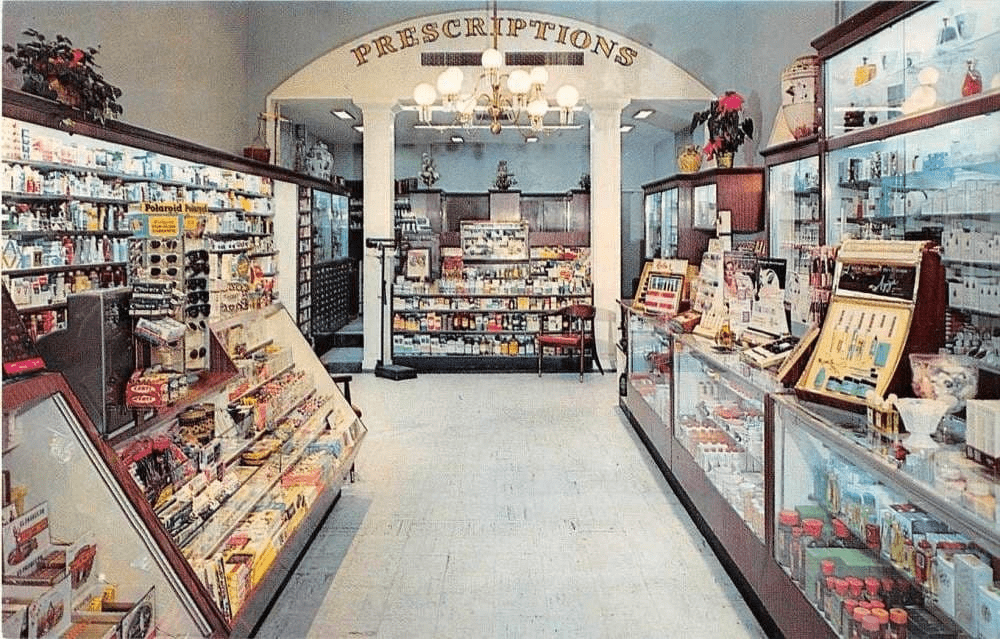
Local pharmacists also continued to produce medications. The well-known company “McNeil Laboratories” was founded in an apothecary by the son of a Philadelphia College of Pharmacy graduate, Robert McNeil. Pharmacist Henry Kendall Mulford, who owned his own pharmacy, established the “H. K. Mulford Company” in the 1880s. He began producing vaccines and in 1895, offered the first diphtheria antitoxin in America.
Philadelphia also became a center for the production of “patent medicines,” which were over-the-counter drugs sold under various brand names. For example, Thomas Dyott manufactured and sold elixirs and ointments, eventually building his own factory. Other major companies in this field included “Dr. D. Jayne & Sons” and “Johnston, Holloway, & Company.”
The Pharmaceutical Industry in 20th Century Philadelphia
At the turn of the 20th century, Philadelphia was home to 174 drug manufacturers and numerous chemical companies. Graduates of the Philadelphia College of Pharmacy continued to drive the industry forward. For instance, at “McNeil Laboratories,” the founder’s grandson, Robert McNeil Jr., developed the pain reliever Tylenol. At “William H. Rorer, Inc.,” the founder’s son, Gerald F. Rorer, manufactured the popular antacid Maalox.
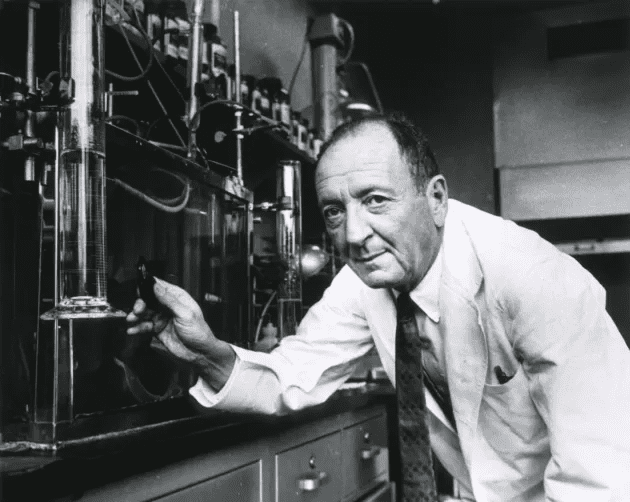
Throughout the 20th century, a wave of mergers and acquisitions swept through the industry, with larger pharmaceutical companies buying up smaller ones:
- In 1927, “Powers-Weightman-Rosengarten” merged with “Merck & Company.”
- In 1929, “H. K. Mulford” merged with “Sharp & Dohme,” which was then acquired by “Merck & Company” in 1953.
- In the same year, the American company “John Smith & Company” became “Smith, Kline & French,” and in 2001, it merged with a British manufacturer to form “GlaxoSmithKline.”
- In 1932, “Wyeth” was bought by “American Home Products,” which later focused on drug manufacturing. In 2009, it was acquired by “Pfizer,” which had previously purchased “Warner-Lambert.”
- In 1990, the French company “Rhone-Poulenc” acquired the Philadelphia-based “Rorer” manufacturing facility.
These processes led to the rise of “Big Pharma”—large, multinational pharmaceutical manufacturers that came to dominate the industry. Several of these, including “GlaxoSmithKline,” “Wyeth,” and “McNeil,” operated and maintained a presence in Philadelphia and the surrounding region.
Further Development and Modern Realities of Pharmacy
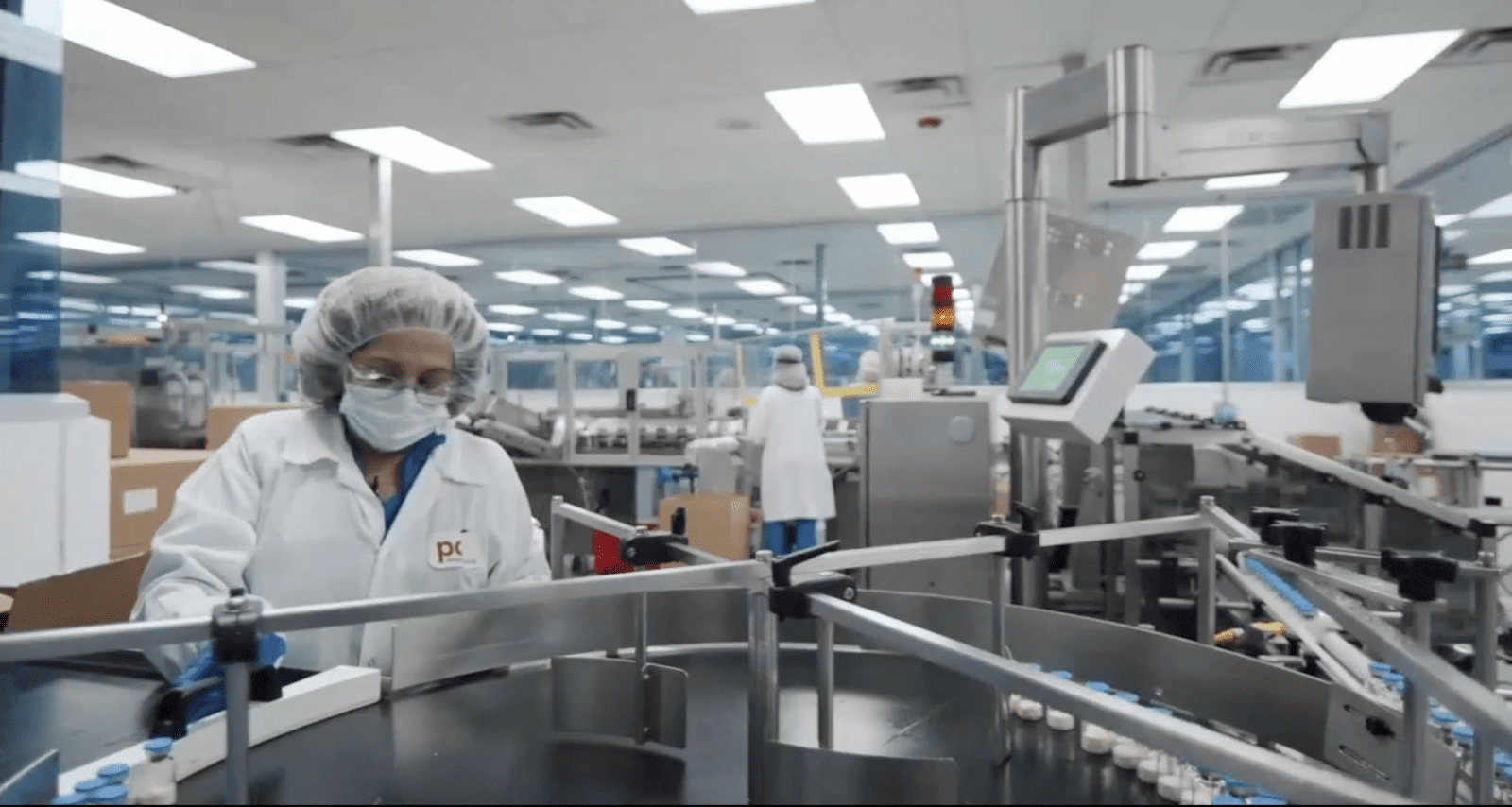
In the new millennium, Philadelphia found itself at the heart of the Mid-Atlantic pharmaceutical corridor, stretching from Delaware to New Jersey. In addition to the manufacturers mentioned above, the region is home to other prominent pharmaceutical companies like “Endo Pharmaceuticals,” “AstraZeneca,” and “Teva.”
Philadelphia also boasts numerous other pharmaceutical companies, both large and small, including traditional drug manufacturers, biotech firms, and research companies. All of them are part of the expansive growth of the pharmaceutical sector over recent decades, which is a major driver of the regional economy. In 2016, the pharmaceutical sector of Philadelphia and the surrounding area’s healthcare industry included 1,200 companies. It employed 48,900 people, with total production volumes exceeding $24.6 billion.
Philadelphia has been and continues to be a key player in the American pharmaceutical market. Local pharmacists have come a long way from the first independent apothecaries and small-scale operations to pharmacy chains and powerful international corporations that produce a wide range of medications. Pharmaceutical education and science continue to thrive in the region, fostering further growth and development in the industry.